The recent Israeli attack on Iran, launched under the codename “Operation Rising Lion” on June 13, 2025, has dramatically escalated tensions in the Middle East. This act has reignited longstanding debates about nuclear rights, international law, and the legitimacy of unilateral military action. The strikes were not defensive but rather a dangerous provocation that disrupted fragile diplomacy and increased regional instability.
Under international law, Iran remains a signatory to the Nuclear Non-Proliferation Treaty (NPT), which guarantees the “inalienable right” to develop nuclear energy for peaceful purposes, including uranium enrichment under International Atomic Energy Agency (IAEA) safeguards. Iran has repeatedly maintained that its nuclear programme is civilian in nature. To date, the IAEA has not presented conclusive evidence to the contrary. Disagreements, therefore, must be handled through legal and diplomatic frameworks—not through pre-emptive military strikes.
Meanwhile, Israel — which is believed to possess approximately 80 nuclear warheads — has never signed the NPT and refuses to allow inspections of its nuclear facilities. This double standard — demanding rigorous scrutiny of Iran while shielding its own programme from oversight — seriously undermines global nuclear governance.
In the coordinated air operation, Israel deployed over 200 aircraft, including F‑35s, targeting more than 100 locations across Iran. Strikes were carried out on nuclear facilities in Natanz, Isfahan, and Fordow, as well as on missile sites, oil infrastructure, and IRGC command centres in cities such as Tabriz and Kermanshah. Satellite imagery and IAEA reports confirm extensive surface damage. However, Iran’s underground nuclear facilities appear mostly intact.
Among those killed in the attacks were top Iranian officials, including Major Generals Mohammad Bagheri and Hossein Salami, as well as prominent nuclear physicist Fereydoon Abbasi and academic Mohammad Mehdi Tehranchi. Iranian health authorities report that at least 406 people were killed and 654 wounded, with over 90% being civilians.
Iran responded with “Operation True Promise III,” launching around 350 projectiles — over 150 ballistic missiles and more than 100 drones — some with support from Ansar Allah forces in Yemen. Although approximately 80–90% of these were intercepted by Israeli defence systems, several penetrated Israeli airspace, striking cities including Tel Aviv, Haifa, and Bat Yam. As a result, 24 Israelis were killed, and over 494 were injured. There was also minor damage to the US Embassy in Tel Aviv.
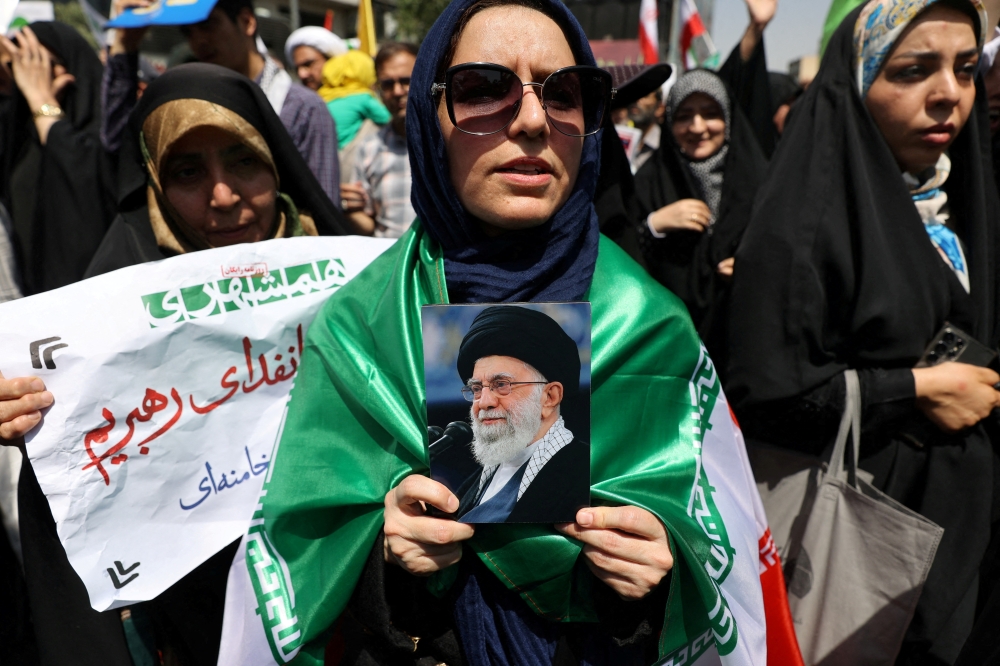
The fallout of the conflict extended beyond the battlefield. Iran’s retaliatory strikes triggered a mass exodus from Tehran, with over 100,000 residents temporarily or permanently fleeing the city. Iran also imposed Internet restrictions to control the spread of panic. Meanwhile, Israel closed its airspace, and several countries — including Australia, Poland and the Czech Republic — began evacuating their citizens from the region.
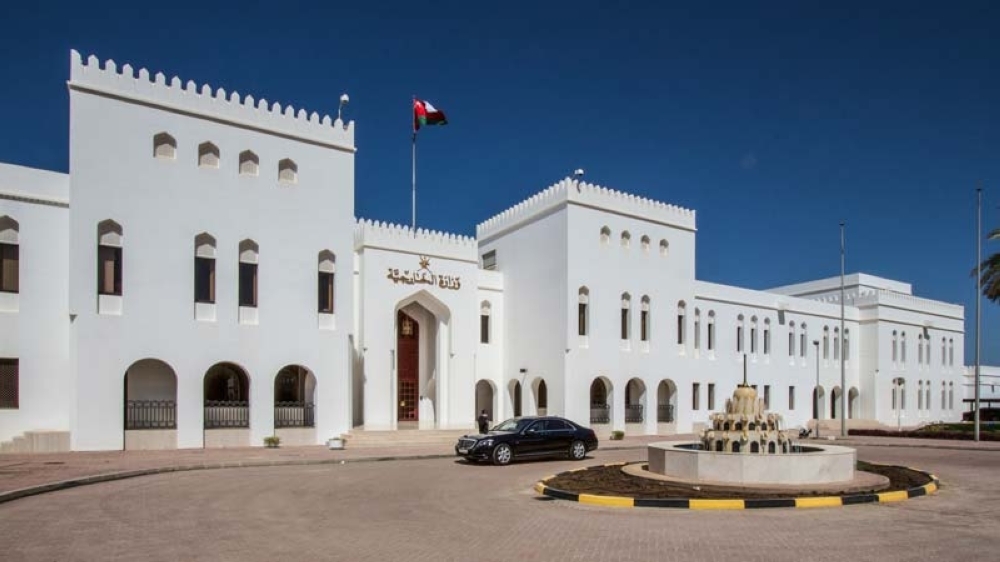
Perhaps most notably, the attack torpedoed ongoing diplomatic efforts between Iran and the United States, which had been quietly mediated by Oman. Iran had signalled willingness to reduce uranium enrichment in return for sanctions relief. But following the strikes, Iranian officials declared the talks “futile,” effectively halting any progress.
Israel’s action, carried out without United Nations authorisation, suggests it considers itself above the international framework. But international norms are built on transparency, legal equality, and mutual accountability. As a non-signatory to the NPT, Israel lacks the legal and moral credibility to lecture or act against a state that operates under IAEA safeguards.
The international community must treat this crisis as a test of its commitment to lawful conduct. The NPT, the IAEA system, and UN Security Council mechanisms exist to regulate nuclear development and enforce peace. These structures fail when selectively applied. Allowing Israel to act outside of them while punishing Iran within them corrodes global trust.
This military escalation also sends a dangerous message: that powerful states may enforce their will with impunity, while others must adhere strictly to rules. That is not justice. Sustainable peace and security can only be achieved through diplomacy, mutual respect, and cooperative engagement—not by air raids.
Iran, like any sovereign nation, has the right to pursue peaceful nuclear technology under international law. Concerns about its intentions should be raised through transparent, evidence-based dialogue within existing frameworks — not through bombs and sanctions.
As the consequences of this conflict continue to unfold, the world faces a stark choice: to uphold the rule of law or to permit its erosion through silence and double standards. True peace in the Middle East will not be achieved by those who flout the rules while demanding others obey them.
Oman Observer is now on the WhatsApp channel. Click here