When Israel and Iran clashed last year, they fought in short and contained bursts that usually ended within hours, and both sides looked for off-ramps that allowed tensions to ebb.
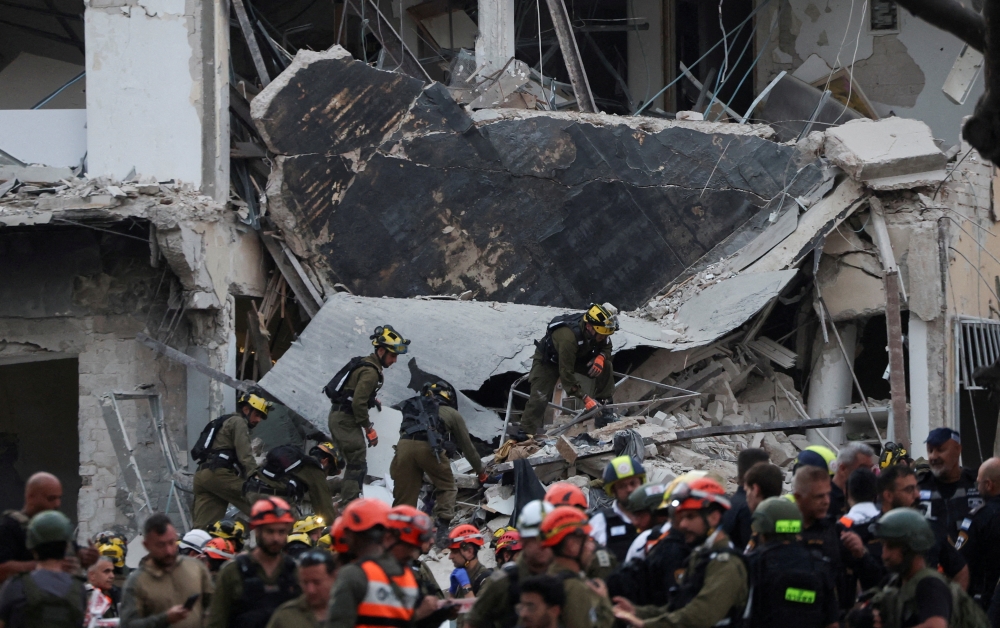
Since Israel started a new round of fighting on Friday, the two countries have said they will continue for as long as necessary, broadening the scope of their attacks and leading to much higher casualty counts in both countries. This time, the conflict appears set to last for at least a week, with both Israel and Iran ignoring routes toward de-confliction.
FORCED TALKS
Israel seems motivated to continue until the destruction of Iran’s nuclear enrichment programme, either by force or renewed negotiations. Yet Iran has shown no sign of voluntarily ending enrichment, a process crucial to building a nuclear bomb, and Israel has no known ability to destroy a pivotal enrichment site that is buried deep underground.
“We’re weeks rather than days away from this ending,” said Daniel B. Shapiro, who oversaw Middle Eastern affairs at the Pentagon until January.
“Israel will keep going until, one way or another, Iran no longer retains an enrichment capability,” added Shapiro, now a fellow at the Atlantic Council, a Washington-based research group. “It’s now clear that if Israel leaves this unaddressed, its campaign will have failed.” Want to stay updated on what’s happening in Iran and Israel? Sign up for Your Places: Global Update, and we’ll send our latest coverage to your inbox.
While Israel has easily struck Iran’s main enrichment site at Natanz, central Iran, it lacks the American-made “bunker-buster” bombs needed to destroy a smaller subterranean site dug deep into a mountain near Fordo, northern Iran. Israeli officials hope that their strikes on other targets — including Iran’s top military commanders, nuclear scientists and its energy industry — will inflict enough pain to encourage Iran to willingly end operations at Fordo.
For now, Iran seems far from such a capitulation, even if Israel has shown increasing dominance in Iranian airspace, according to Sanam Vakil, who leads analysis of the Middle East at Chatham House, a London-based research group. Though Israel hopes to prompt its collapse, the Iranian government remains in full control of Iran and still has substantial stocks of ballistic missiles, even if Israel has limited its ability to fire some of them.
“I don’t see any surrender coming from Tehran right now — there are no white flags being waved,” said Dr Vakil. “It’s very hard to see Iran walking back its enrichment rights while Iran’s programme still looks operational and Iran is intact as a state,” she added. “Their goal is to survive, to inflict damage and show their resilience.”
TRUMP's STAND
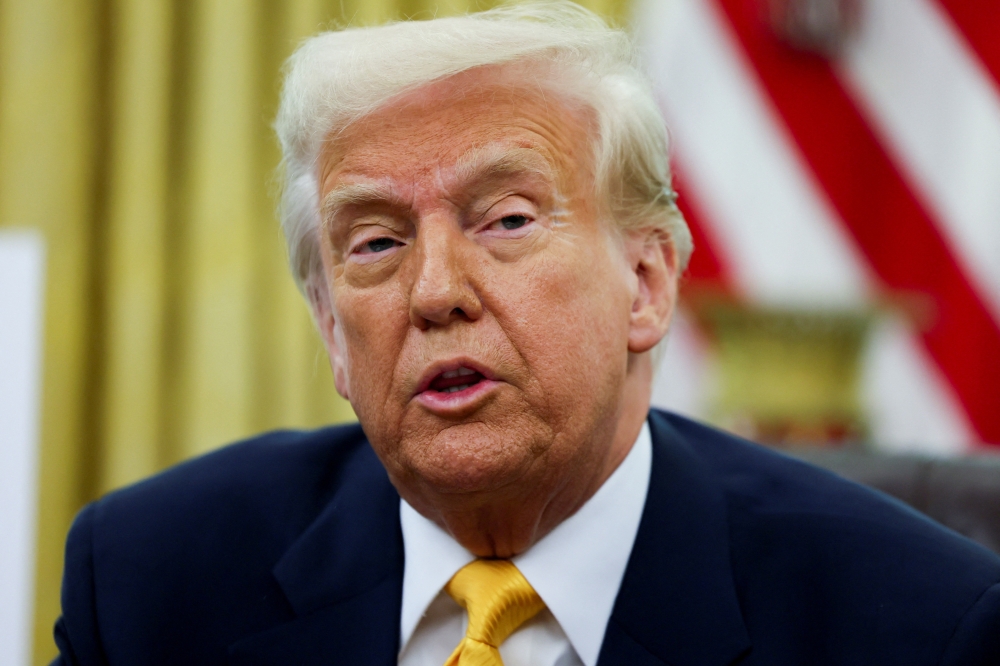
Much depends on how President Trump reacts. Unlike Israel, the US has the munitions and the aircraft to destroy Fordo. Analysts like Shapiro say that Trump could consider such an approach if Iran chooses to accelerate its efforts to build a nuclear bomb instead of reaching a compromise.
“That will create a critical decision point for Trump, about whether the United States should intervene,” Shapiro said.
It may also now be easier for Trump to intervene without serious security consequences, given that Israel’s attacks have already degraded Iran’s defensive abilities.
Others say that Trump is likelier to avoid direct confrontation with Iran unless the Iranian military shifts its attacks from Israel to US interests and personnel in the Middle East, narrowing Trump’s room for manoeuvre. Since Friday, Iran has avoided providing such a pretext for US involvement.
The president’s statements since Friday indicate that his current preference is to use Israel’s military gains as leverage for renewed talks with Tehran.
Trump has overseen negotiations with Iran, hoping that Tehran would agree to end its enrichment programme without Israel’s military intervention.
Those talks stumbled after Iran refused to back down. In comments over the weekend, Trump suggested that Iran, chastened by Israel’s attacks, might finally make compromises that it had not previously considered. As a result, some analysts say that Trump could press Israel to end its attacks — when and if he judges that Iran has become more malleable.
“This will end when Trump decides to end it, which will probably happen when he thinks Iran is ready to compromise,” said Yoel Guzansky, an expert on Iran at the Institute for National Security Studies in Tel Aviv.
IRAN U_TURN?
Such a U-turn has historical precedent, even if it feels unlikely for now, experts said. The Iranian leadership made a similarly unexpected compromise at the end of the Iran-Iraq war in the 1980s, according to Meir Javedanfar, who teaches Iranian studies at Reichman University in Israel. After rejecting numerous offers to end the war, Ayatollah Khomeini eventually agreed to a deal after the costs of the war became too great, Dr Javedanfar said.
“Khomeini made a 180-degree change,” he said. “This is again what Israel is hoping for.” But history also suggests this may take time. The deal that ended the Iran-Iraq war took eight years to reach.
Oman Observer is now on the WhatsApp channel. Click here