In 1814, many years after his presidency, John Adams, the second president of the United States, gave a strong warning about democracy. He believed that no democracy in history had survived forever.
According to him, the real threats came not from outside enemies, but from inside — from pride, greed and the desire for power.
In his view, democracy could only survive if both leaders and citizens held strong values and behaved with responsibility.
Today, this warning feels very close to reality. The US, often seen as a symbol of democracy, now faces serious challenges. Many politicians seem more focused on power than on public service. They speak mainly to their supporters and ignore the rest.
Political division is rising and trust in institutions like the courts, media and elections is getting weaker. These are not just political problems. They show that the foundation of democracy is becoming less stable.
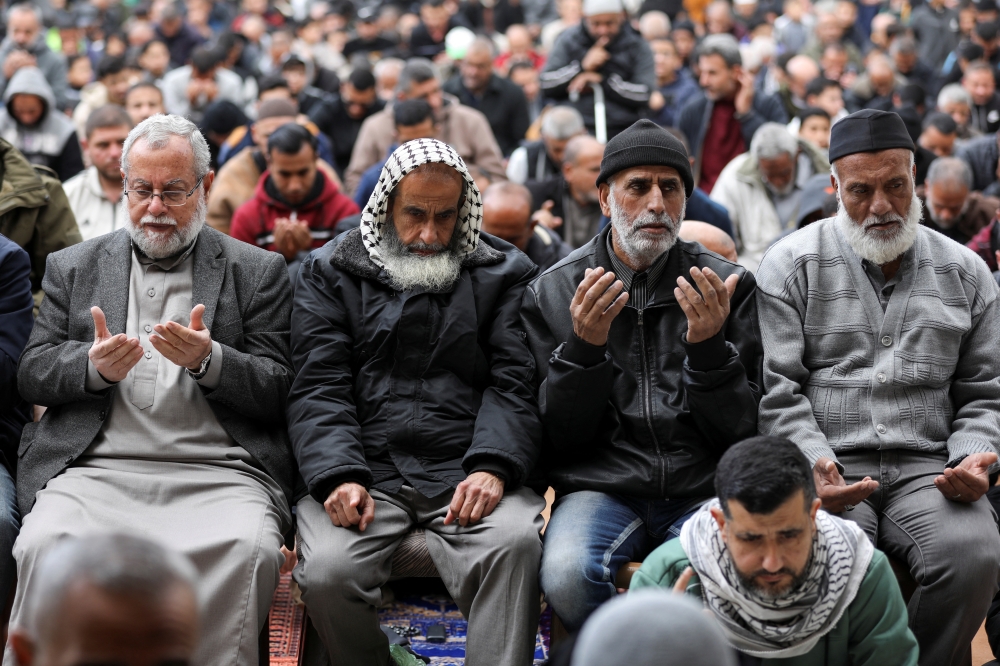
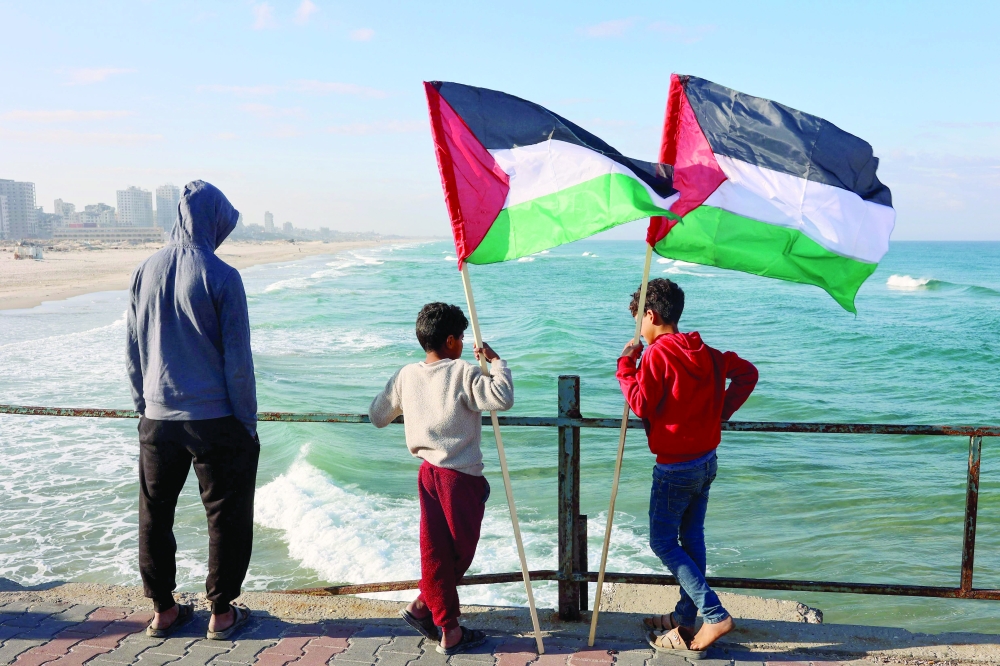
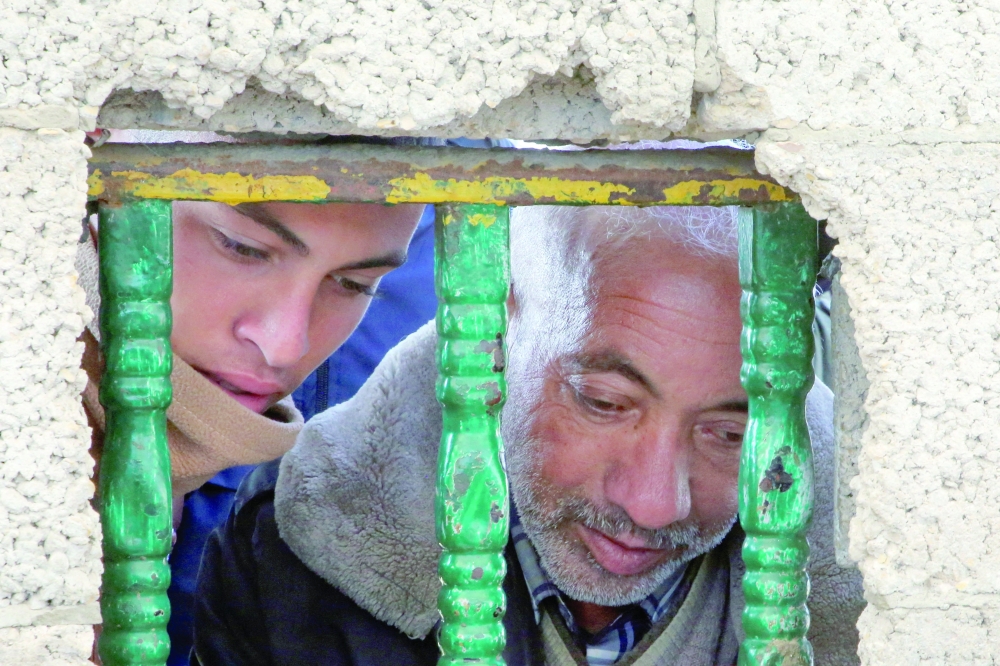
One powerful example is the ongoing war in Gaza. Since October 2023, the people of Gaza have experienced terrible suffering. More than 35,000 Palestinians have been killed, including large numbers of women and children. Homes, hospitals, schools and basic infrastructure have been destroyed. Many people have no access to clean water, food, or medicine.
The humanitarian crisis is growing worse each day. According to aid groups, large parts of the population are now on the edge of famine and medical services are collapsing.
Around the world, there have been strong calls for a ceasefire. The United Nations has brought forward several resolutions. Human rights organisations have called for action. People across many countries have protested in the streets. They demand justice and peace.
Many feel deep frustration at the international community’s slow and divided response. However, the United States continues to give full support to Israel, including weapons, funding and political protection.
Just a few days ago, the United States used its fifth veto at the UN Security Council since the war began. The resolution called for an immediate and permanent ceasefire in Gaza. This veto came while more civilians were dying and international aid groups were warning of famine and total collapse in the health system. Previous ceasefire resolutions were also blocked, despite widespread global support.
Such actions raise serious questions about the direction of American democracy.
A true democracy should care not only about votes and elections, but also about human rights, fairness and compassion. When a country that claims to support freedom and justice helps to block peace efforts and ignores mass suffering, it loses moral credibility. Democracy must mean more than strategy and power.
John Adams believed that democracy depends on the moral choices of its leaders. When those in power stop acting with honesty and responsibility, the democratic system becomes weaker.
Today, the US response to Gaza shows how quickly these values can disappear when political interests become the main goal.
Despite this, many people in the United States are speaking out. Students have protested on university campuses. Religious leaders are calling for peace. Several members of Congress have asked for a new approach.
Public demonstrations in major cities continue, with protesters calling for an end to military support and a shift towards diplomacy. These voices are demanding a return to moral leadership and real democratic values. They remind us that democracy can survive — but only if people are willing to defend it.
Democracy is not just about systems and laws. It also requires courage, truth and care for others. Political leaders must act not only for their own supporters, but also for those affected by their policies abroad. A democracy that ignores this responsibility may keep its form, but it loses its spirit.
John Adams warned that democracy could destroy itself from the inside. His words were not just for the past — they speak clearly to the present. The decisions made now, both in domestic and foreign policy, will decide what kind of democracy the US remains.
If it wants to be respected, it must show that it still believes in justice, human dignity and peace.
Oman Observer is now on the WhatsApp channel. Click here