




MUSCAT: Rising tensions between Iran and Israel are fuelling fresh concerns in global energy markets, with economists warning that any disruption to Iranian oil exports could trigger a sharp rise in prices, even without a direct military escalation.
A regional economic expert stated that while a nuclear confrontation remains unlikely, the most plausible scenario is a targeted disruption to Iran’s oil shipments. He noted that such a scenario, particularly if it impacts the Strait of Hormuz, would have immediate consequences for energy markets, given the strait’s role as the world’s most critical oil transit chokepoint.
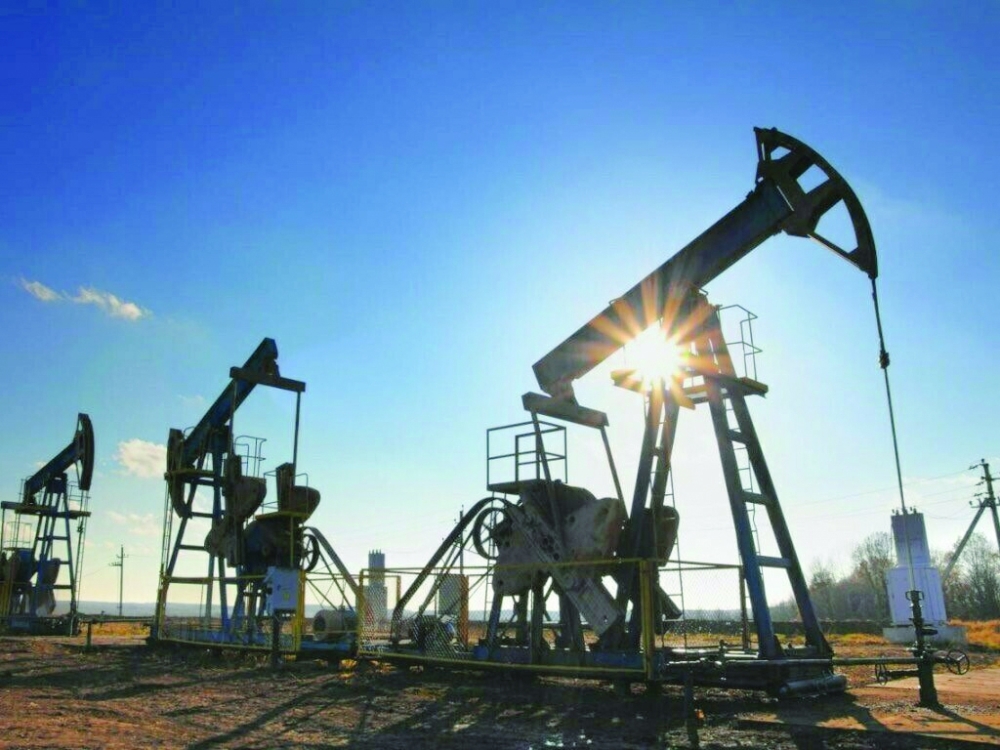
Iran currently exports around 1.6 million barrels per day of crude oil and an additional 0.4 million barrels per day of refined petroleum products. Together, this amounts to roughly two million barrels per day flowing into international markets. Any threat to this supply — whether direct or indirect — could send prices sharply higher without triggering a full-blown conflict.
Recent developments in the region have already pushed oil prices upward. Brent crude surged more than four per cent in trading on Friday, with analysts forecasting that prices could soon reach or exceed $80 per barrel. Markets remain volatile and investors are closely watching for signs of further escalation.
Several major financial institutions have revised their outlooks in light of the rising risks. J P Morgan has warned that oil prices could jump to as high as $120 per barrel if the conflict expands to include the Strait of Hormuz or key Gulf infrastructure. Goldman Sachs and Vitol have indicated that oil prices are likely to stay in the $70 to $85 per barrel range throughout 2025, with possible spikes above $80 if Iranian exports are affected.
The Economist Intelligence Unit has raised its forecast for average oil prices in 2025 to $80.8 per barrel, citing increased geopolitical tension in the Middle East.
The economic consequences of any significant disruption would be felt globally. Higher oil prices would drive up inflation, slow economic growth and complicate monetary policy decisions in both developed and emerging economies. For the Gulf Cooperation Council states, the current crisis underscores the strategic importance of maintaining open and secure shipping lanes through the Strait of Hormuz and ensuring regional energy stability.
In the short term, countries like the UAE and Saudi Arabia could play a role in stabilising the market by boosting output or offering alternative supply routes. However, energy analysts caution that the situation remains highly sensitive. Even a limited strike on energy infrastructure or miscalculation could shift the market from moderate concern to full crisis mode. As diplomatic efforts intensify behind the scenes, the world is watching to see whether oil will become the next casualty of an already volatile geopolitical landscape.
Oman Observer is now on the WhatsApp channel. Click here