Sur, once a vibrant commercial centre along Oman’s eastern coast, is losing its economic character. Decades of unregulated growth, poor zoning, and scattered investments have blurred the town’s identity, weakening its appeal to investors, businesses, and residents.
In the 1980s and 1990s, Old Sur Market and nearby districts such as Harat Al-Teenah and Jabal Al-Eid thrived with retail shops, showrooms, and trade activity. But the momentum has slowed. Commercial sprawl has replaced strategic planning. The result: oversupply, disorganised business activity, and a lack of functional zoning.
The root of the problem lies in years of unchecked issuance of residential-commercial land titles, leading to a flood of retail outlets across both main and internal roads. This has inflated supply, caused overlap in business types, and undermined efforts to build a cohesive commercial ecosystem.
Today, car washes operate next to restaurants, barbers, clinics, and salons in the same building—confusing for consumers and damaging to the area’s economic image.
A ROADMAP FOR RENEWAL
To restore Sur’s economic position and align with Oman Vision 2040’s emphasis on local development, the following actions are essential:
1. Establish a commercial corridor: A structured commercial zone should extend from the Sur Industrial Area to Old Sur Market, passing through key areas including Harat Al-Noor, Jabal Al-Eid, Harat Al-Teenah, and Sur Club. This axis should anchor major commercial activity and guide future development.
2. Create a unified economic identity: Commercial activities must be aligned with zoning priorities. Large and medium-sized businesses should be grouped together. Mixed-use buildings should avoid housing unrelated services—such as car washes, food outlets, and salons—in the same premises. Visual coherence and business compatibility are key.
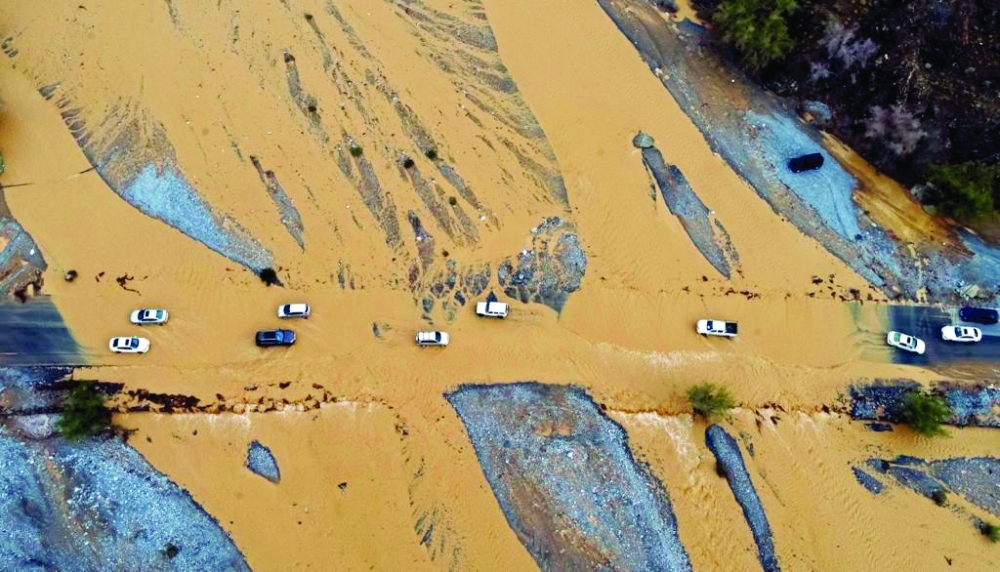
3. Upgrade infrastructure: Adequate parking is lacking in busy areas like Harat Al-Teenah, where banking and service centres cluster. Flooding during rain disrupts commercial movement due to poor drainage. Planned upgrades to parking, access roads, and water management are urgently needed.
4. Zone activities by scale and function: Not all business types belong on main roads. Small-scale or secondary enterprises should operate within internal neighbourhoods, while high-traffic roads should host anchor tenants and investment-ready companies. This ensures sustainability and investor confidence.
5. Revive Old Sur Market: The historic market can be transformed into a cultural and economic destination. New small and medium businesses, artisan markets, and themed areas—such as a Gold Souq or Travel District—can attract footfall and restore its relevance. Models like “Souq Al Hareem” show how defined identity supports commercial success.
6. Form a dedicated planning task force: A professional team should oversee commercial regulation and support property owners. Many, such as those in Harat Al-Teenah, have faced years-long delays in resolving basic planning issues. The task force should streamline permits, resolve grievances, and foster public-private cooperation.
A VISION 20240 IMPERATIVE
Reviving Sur’s commercial core is not just a local concern—it is a national one. As Oman prioritises governorate-level development under Vision 2040, towns like Sur must build competitive, structured economies. A cohesive commercial front, functioning infrastructure, and vibrant markets are critical assets.
It is time to move from unplanned expansion to strategic renewal. With the right vision and coordination, Sur can reclaim its place as a thriving commercial hub.
Mohammed bin Issa al Balushi
The author is a Media Consultant specialising in economic affairs
Oman Observer is now on the WhatsApp channel. Click here