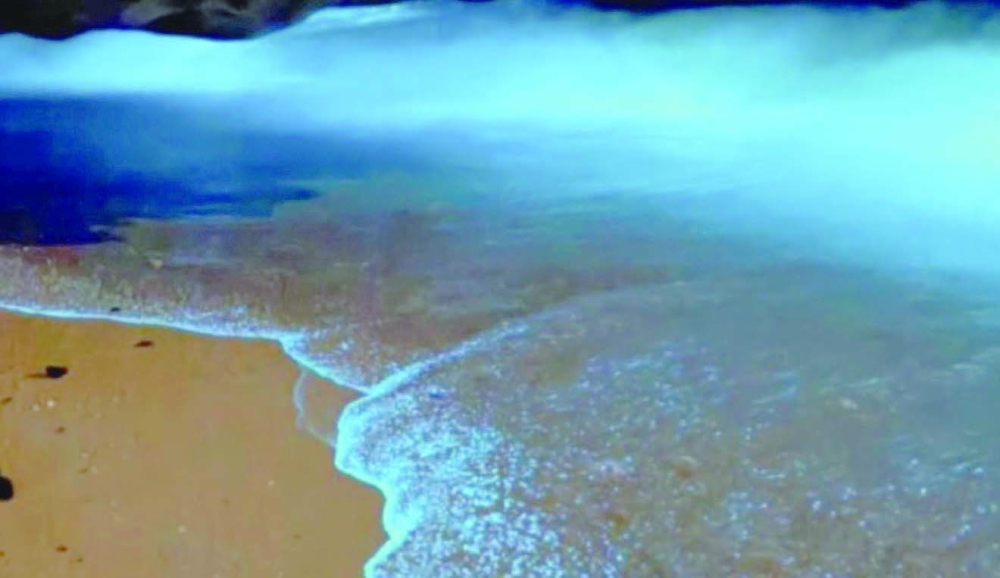





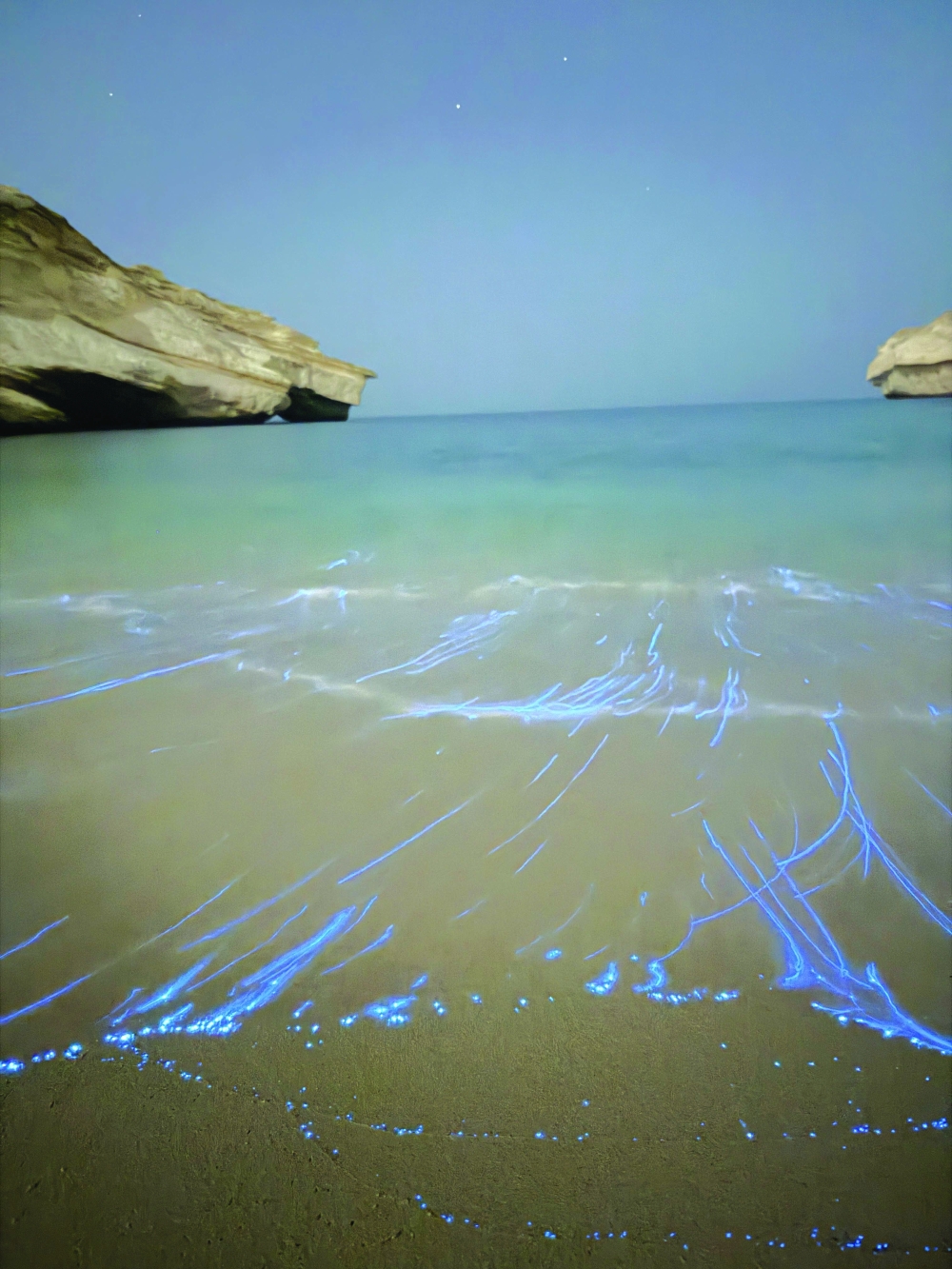
As dusk settles over Oman’s unspoiled coastline, an enchanting, mysterious glow flickers to life along the shores—transforming the sands and waters into a shimmering, living canvas. Witnessing Oman’s bioluminescent waters is akin to stepping into a fairy tale, where waves sparkle like molten silver and the sands seem to ignite with phosphorescent light. Over recent years, this captivating phenomenon has become a magnet for adventurers and eco-conscious travellers, eager to experience one of nature’s most mesmerising displays.
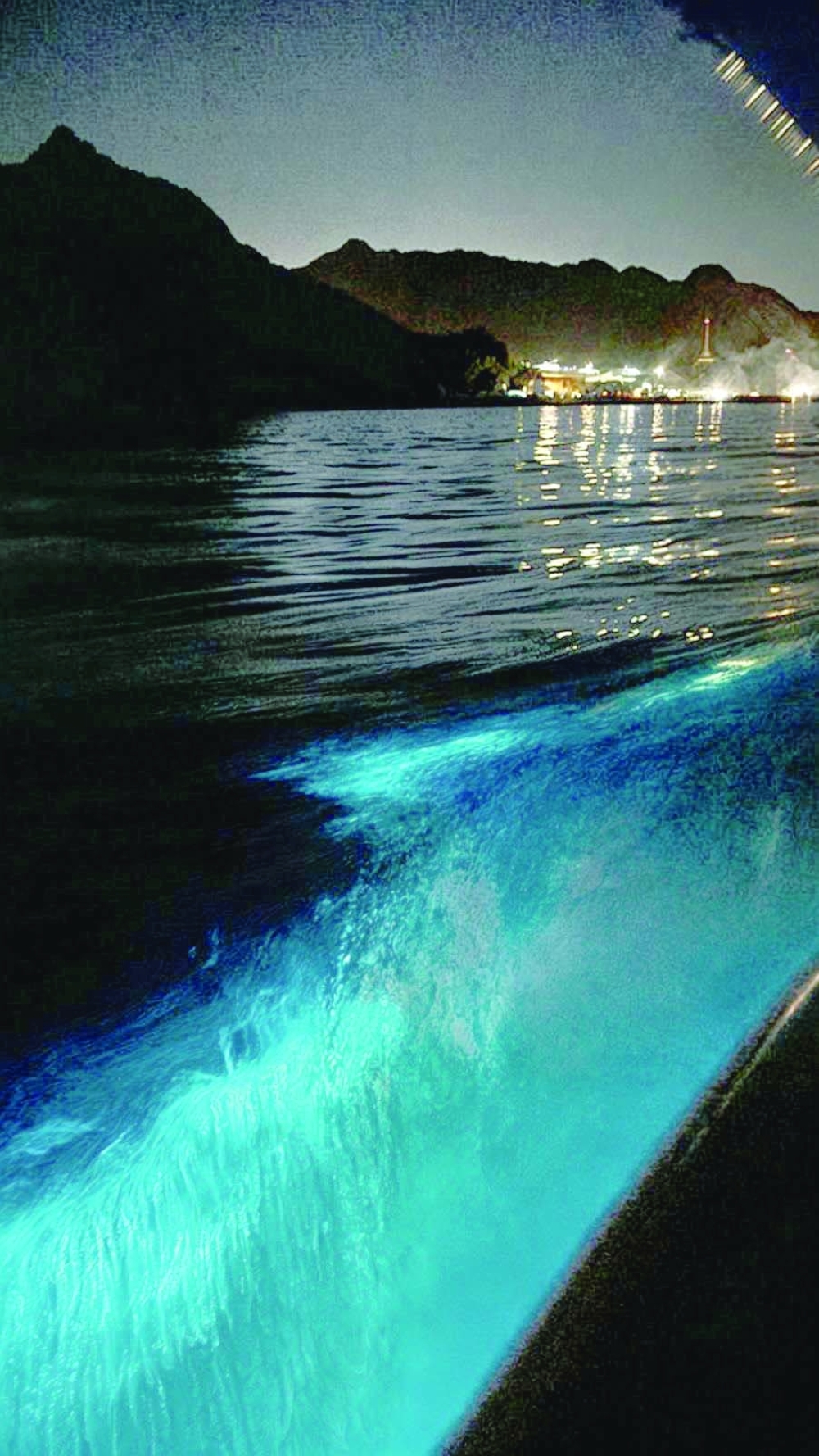
The bioluminescent spectacle, observed predominantly from January to April, has gained popularity thanks to organised night tours by local operators such as Skipper Tours. Launched in early 2024, these ventures brought tourists to iconic sites like Al Bustan Village, Qantab, and Bandar Al Khairan—each known for their glowing waters after sunset. While the initial excitement was short-lived that year, the phenomenon’s return in 2025—more vivid and consistent—has reignited local enthusiasm and global curiosity, positioning Oman as a unique destination for mystical, eco-friendly tourism.
The Wonder of Bioluminescence: Nature’s Neon Light
This phenomenon, known as bioluminescence, is a stunning natural process—sometimes described as nature’s neon lighting—where living organisms produce their own light. Unlike LED displays or artificial lighting, bioluminescence results from a chemical reaction within the organism’s body, involving enzymes called luciferases acting on compounds called luciferins to produce light. The effect is most often seen in marine environments, where tiny organisms such as dinoflagellates, jellyfish, and certain species of plankton flicker and glow beneath the waves.
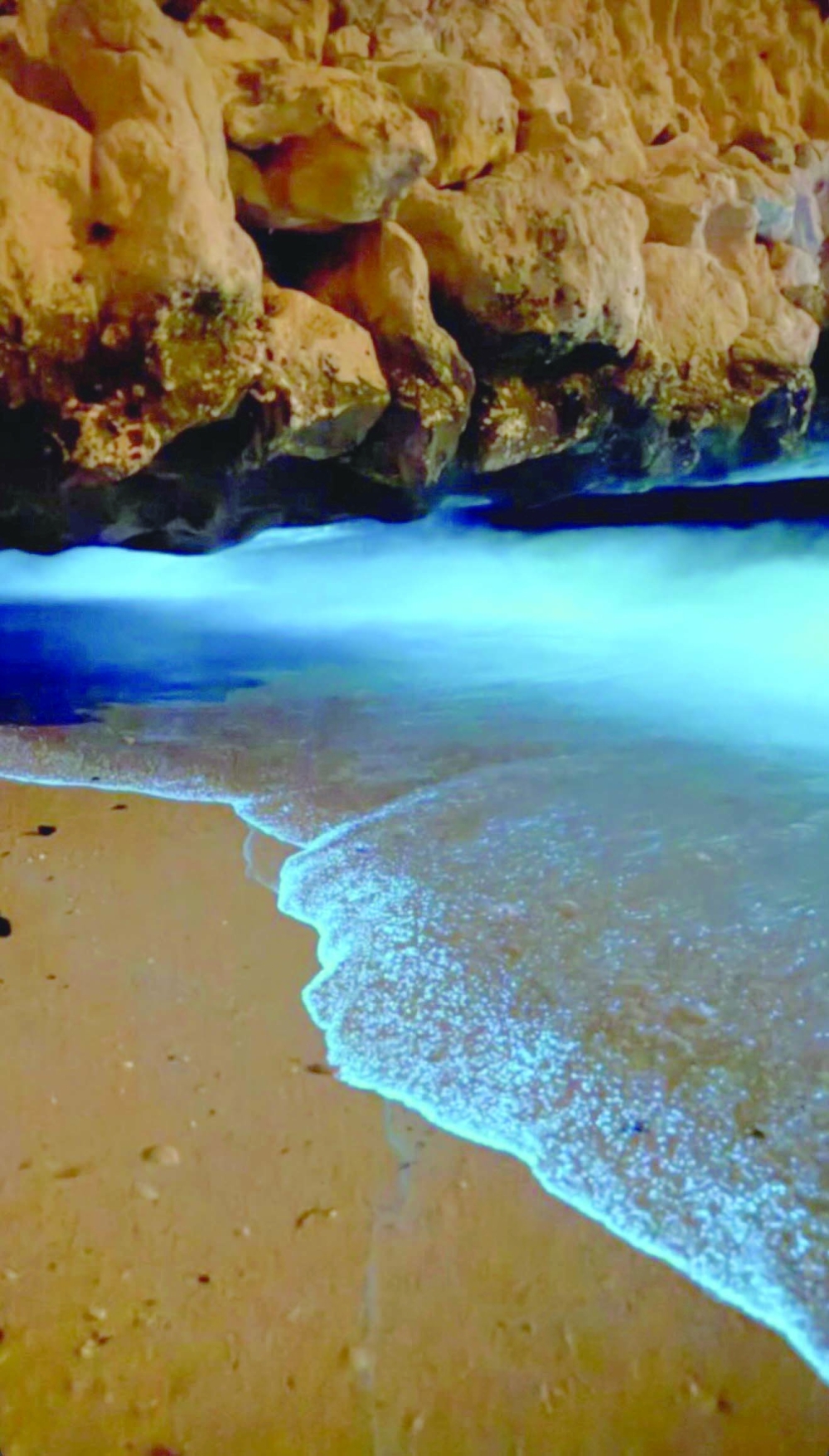
The dazzling display is not just a visual spectacle but also a vital part of marine life. Many bioluminescent creatures use their light for communication, attracting prey or warding off predators. In the case of Oman’s glowing shores, the primary culprits are microscopic dinoflagellates—single-celled planktonic organisms that shimmer when disturbed. Their chemical reactions emit a vibrant blue-green hue, illuminating the water and sand when agitated.
Bioluminescence occurs when these tiny plankton detect sudden water movement—such as waves crashing, a swimmer’s stroke, or a passing boat—and respond by emitting light. This defies the usual expectation that darkness hides everything; instead, it reveals how microscopic life forms use light as a defence mechanism, startling predators or attracting larger ones that might prey on their enemies.
Environmental factors heavily influence the intensity and frequency of these luminous displays. Warm, nutrient-rich waters foster plankton blooms, creating ideal conditions for prolonged glowing displays. Calm seas, especially during low tides and at night, provide the perfect stage—allowing observers to witness the full splendour of Mother Nature’s glowing aquatic realm. Conversely, pollution and storms can diminish or prevent bioluminescence, making sightings a rare and precious occurrence.
Tracking the Trend: Oman’s Bioluminescent Boom
Until recently, Oman’s bioluminescent phenomenon was sporadic, but scientific observations and local reports suggest a rising trend—both in frequency and brightness. The increased consistency over the past two years can be attributed to favourable environmental conditions, as well as heightened awareness and promotion of eco-tourism.
In 2024, the initial launch of guided tours sparked widespread interest, but the phenomenon remained relatively fleeting. However, in 2025, with longer-lasting displays and more vibrant light shows, Oman’s glowing beaches earned a reputation among nature lovers and photographers eager to capture its spellbinding beauty. Tour operators reported a surge in visitors, eager to witness this rare wonder—bringing a renewed focus on protecting these delicate ecosystems.
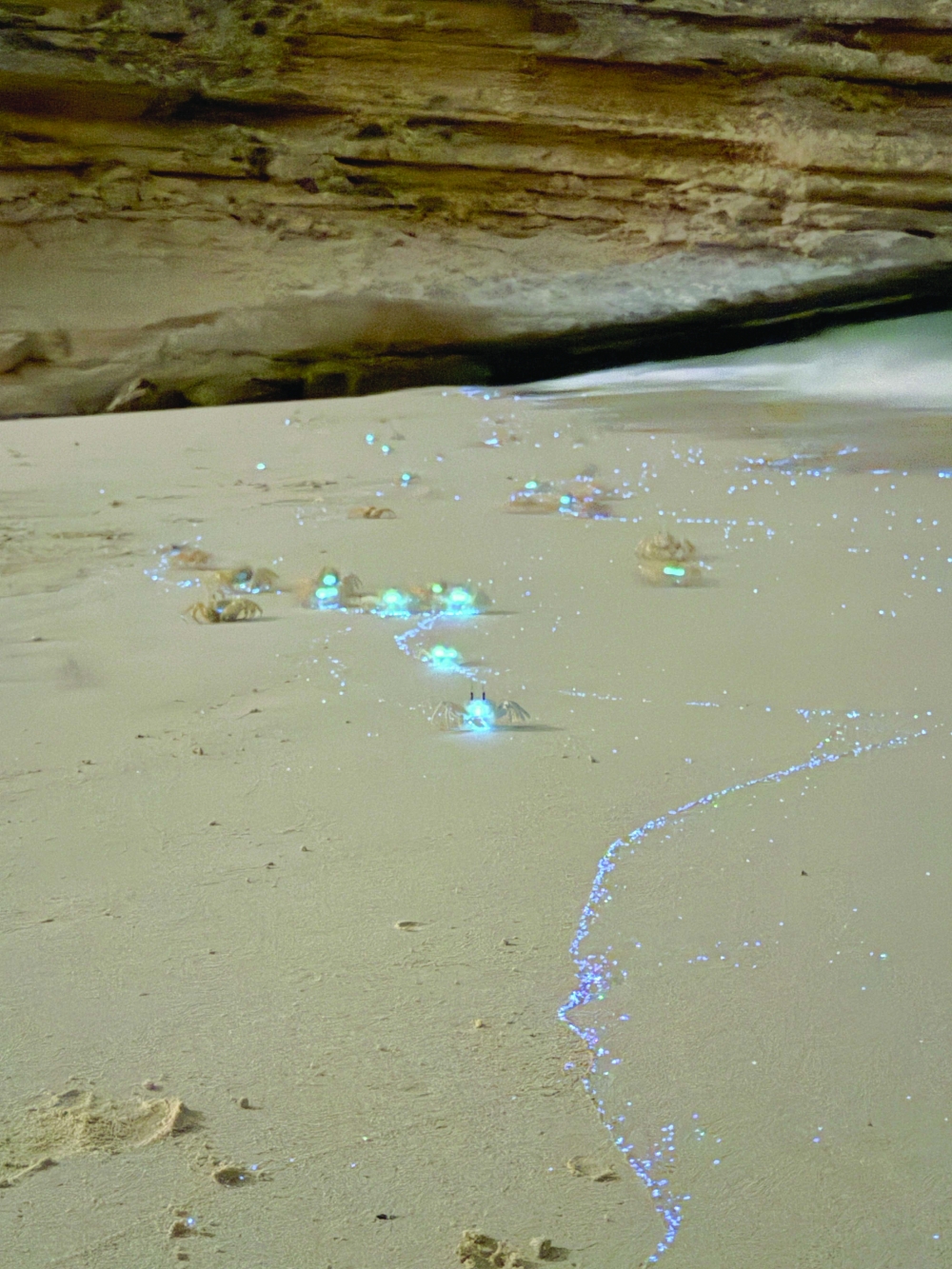
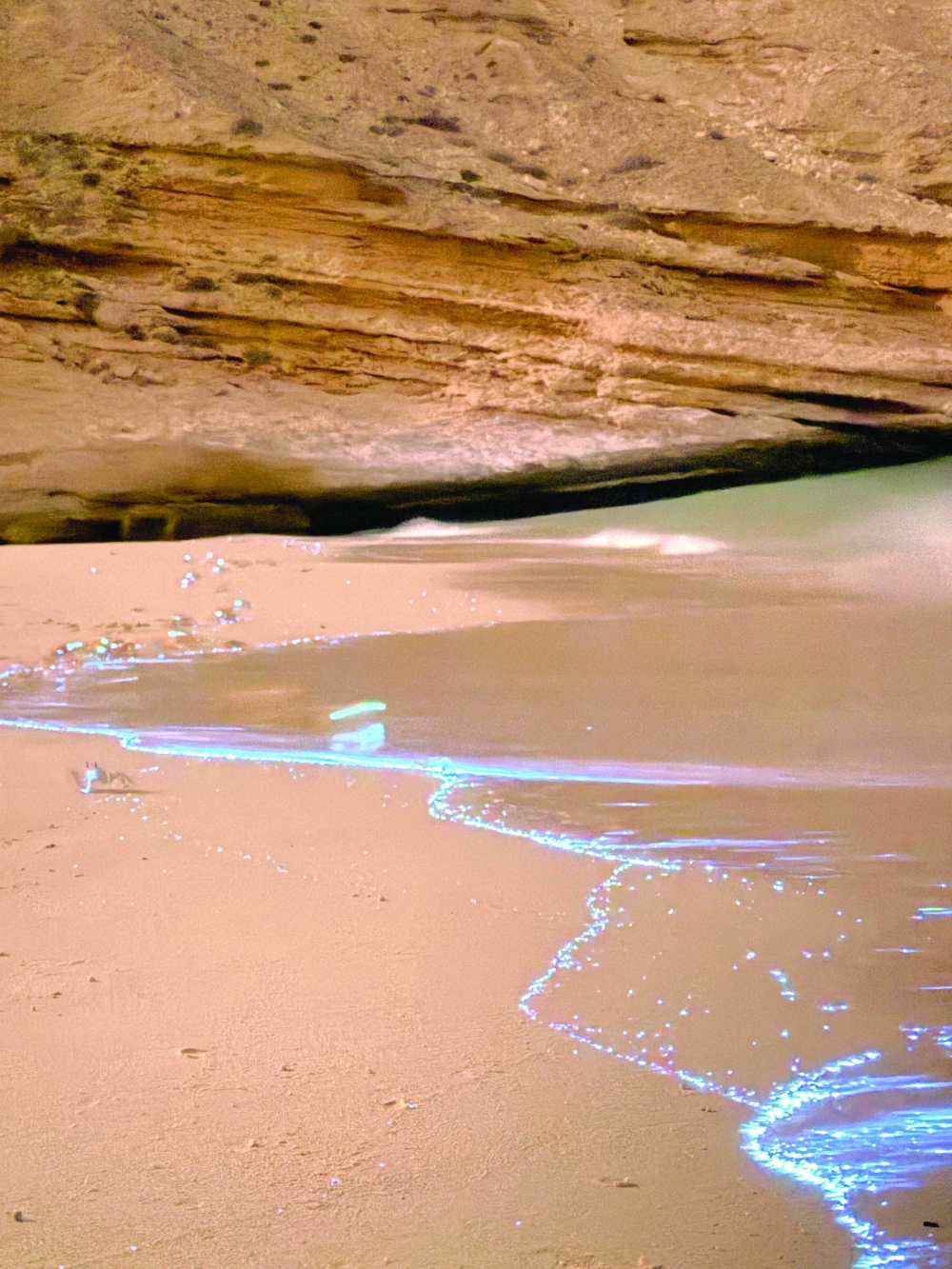
Tour guides and organisers often describe the experience as profoundly moving. One shared a vivid memory of witnessing crabs scuttling along the shoreline, their tiny footsteps leaving streaks of blue light—a moment of awe and humility inspired by the Creator’s design. “It’s like magic—a gentle reminder of the beauty that exists under the sea, illuminated in the darkness,” they said.
It’s essential to clarify that the glowing crabs are not bioluminescent themselves but are illuminated by the microscopic plankton inhabiting the water. Their disturbance causes the plankton to light up, creating an illusion of creatures glowing from within.
As the phenomenon attracts more visitors, tour operators are deeply committed to environmentally responsible practices. To preserve Oman’s rare natural lightshow, they enforce strict guidelines: visitors are asked to avoid swimming, stay quiet, refrain from using artificial lights, and ensure they leave no waste behind.
This careful stewardship ensures that the delicate balance of marine ecosystems remains undisturbed, allowing the bioluminescent displays to thrive for generations to come.
While most guides might not be marine scientists themselves, many have conducted extensive research—both online and through local collaborations—to ensure their tours minimise environmental impact. They view their role not just as hosts of a spectacle but as guardians of a fragile ecosystem that depends on human respect and care.
Oman Observer is now on the WhatsApp channel. Click here