




Imagine walking into a large enclosure in Oman. There’s the deep growl of a lion echoing across the space, mixed with the sharp alertness of a fox’s bark or the flutter of enormous wings from a bird of prey perched high. The sounds are constant—animals calling, grooming, and moving around in a space that requires careful upkeep to keep everyone safe. Enclosures like this aren’t your typical backyard pet pens; they’re complex, high-security areas that demand round-the-clock attention, strict regulation, and a deep understanding of wildlife. Behind these spaces is a story few outsiders know—of passion, risk, and the heavy responsibility involved in raising some of the world’s most dangerous creatures.
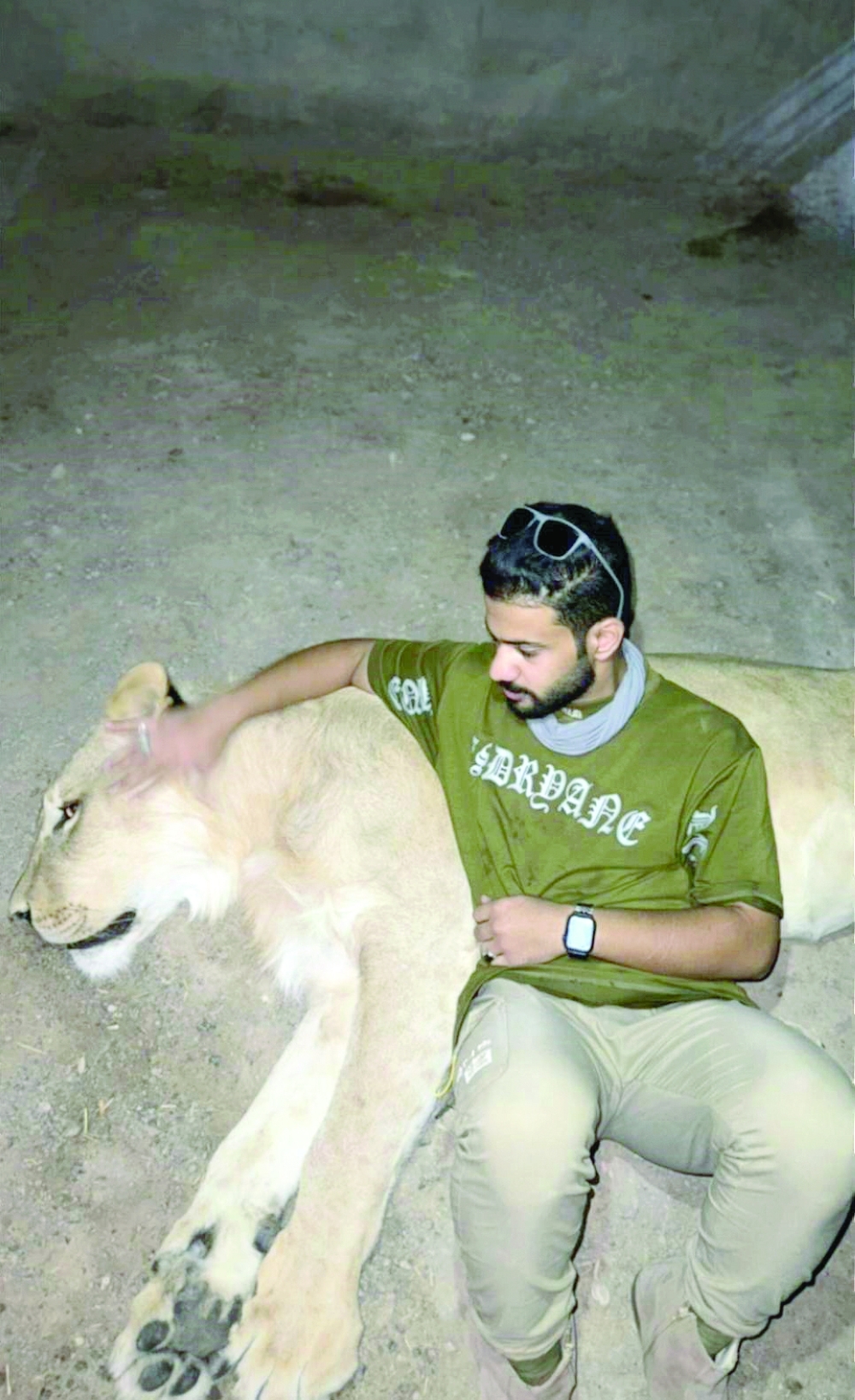
In Bahla, a small town with a long history, there’s one young man pushing these boundaries. Hisham Al Hinai isn’t your typical Omani; he’s a 22-year-old who has dedicated himself to raising wild predators, from lions and tigers to wolves and crocodiles. It’s a bold move in a country where wildlife laws are strict, and safety is paramount. This isn’t a story about exotic pet dreams or reckless adventure. It’s about someone who’s gone through serious hurdles to turn a childhood fascination into a controlled and knowledgeable effort—under the watchful eye of government authorities.
A Childhood Spark
Hisham says his interest in predatory animals started when he was very young. “I always loved animals that you don’t usually see outside the zoo,” he explains. “But I knew right away that raising these animals was not something I could do casually.” His family wasn’t supportive at first, worried for his safety and unsure about the risks. Yet, that early curiosity never faded.
In 2018, Hisham took his first real step—raising a lion cub he sourced through official channels. It was a daunting undertaking, and he admits he faced many obstacles, including the local stigma against keeping such dangerous animals. But this was only the beginning of a journey that would test his resolve.
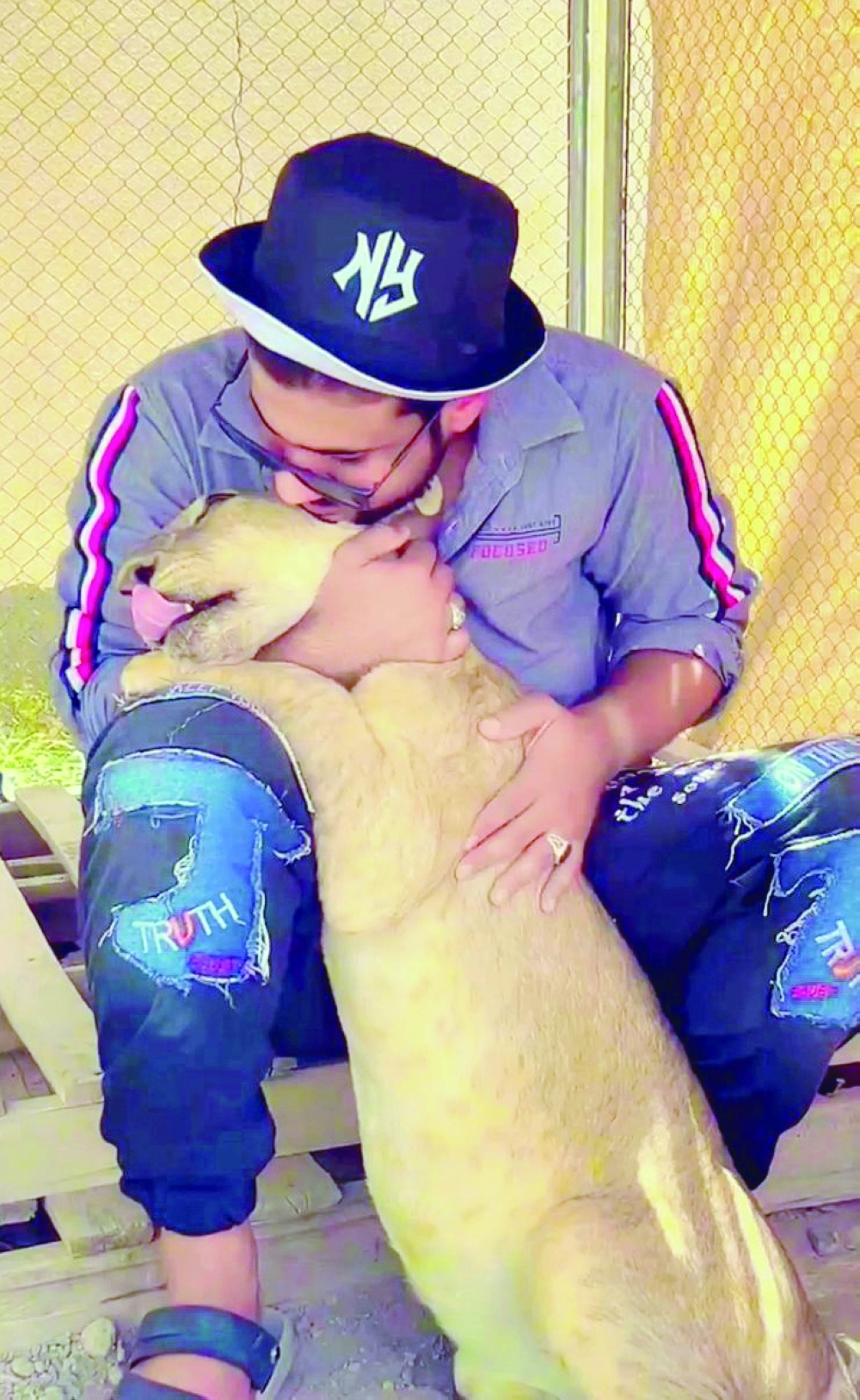
His uncle, Musaab, played a vital role in helping him navigate the legal and safety hurdles. “My uncle taught me a lot about how to handle predators responsibly,” Hisham says. “He helped me get the permits, understand the laws, and learn what’s needed to keep both the animals and people safe.” Without that support, he admits he might have given up early.
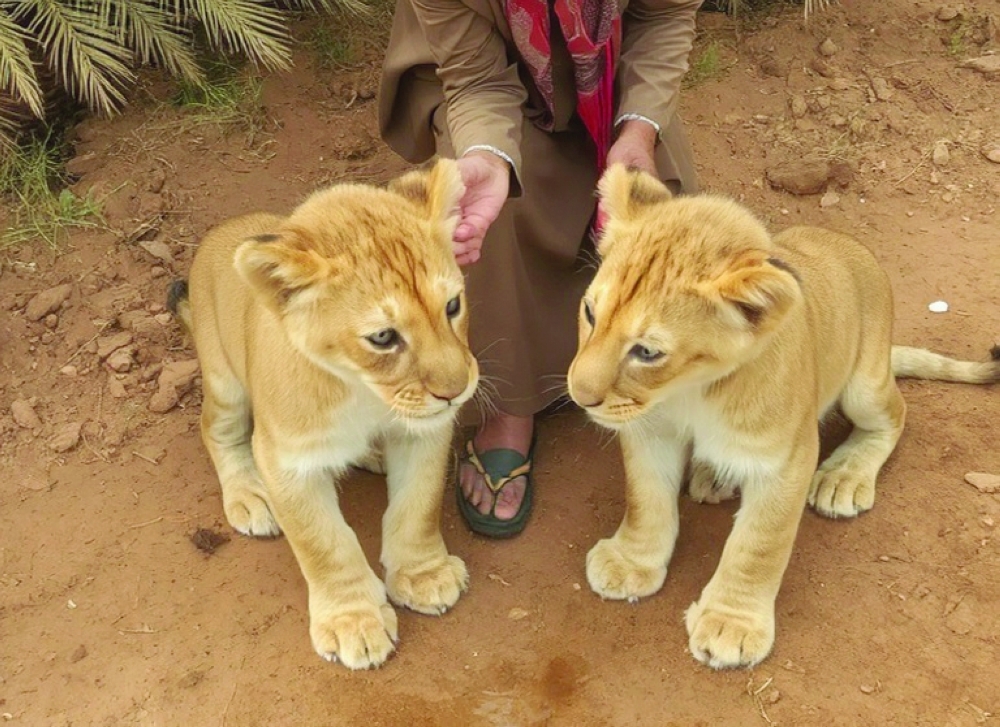
Hisham’s love for these animals came with sacrifices. During a particularly difficult period, he spent months caring for two lion cubs alone—often away from friends and family—to ensure they received proper attention. That time in isolation helped him bond deeply with his lions, fostering a respect for their needs and behaviours. Today, he’s vocal about how important proper handling and care are, especially given the risks involved.
The Reality of Raising Predators
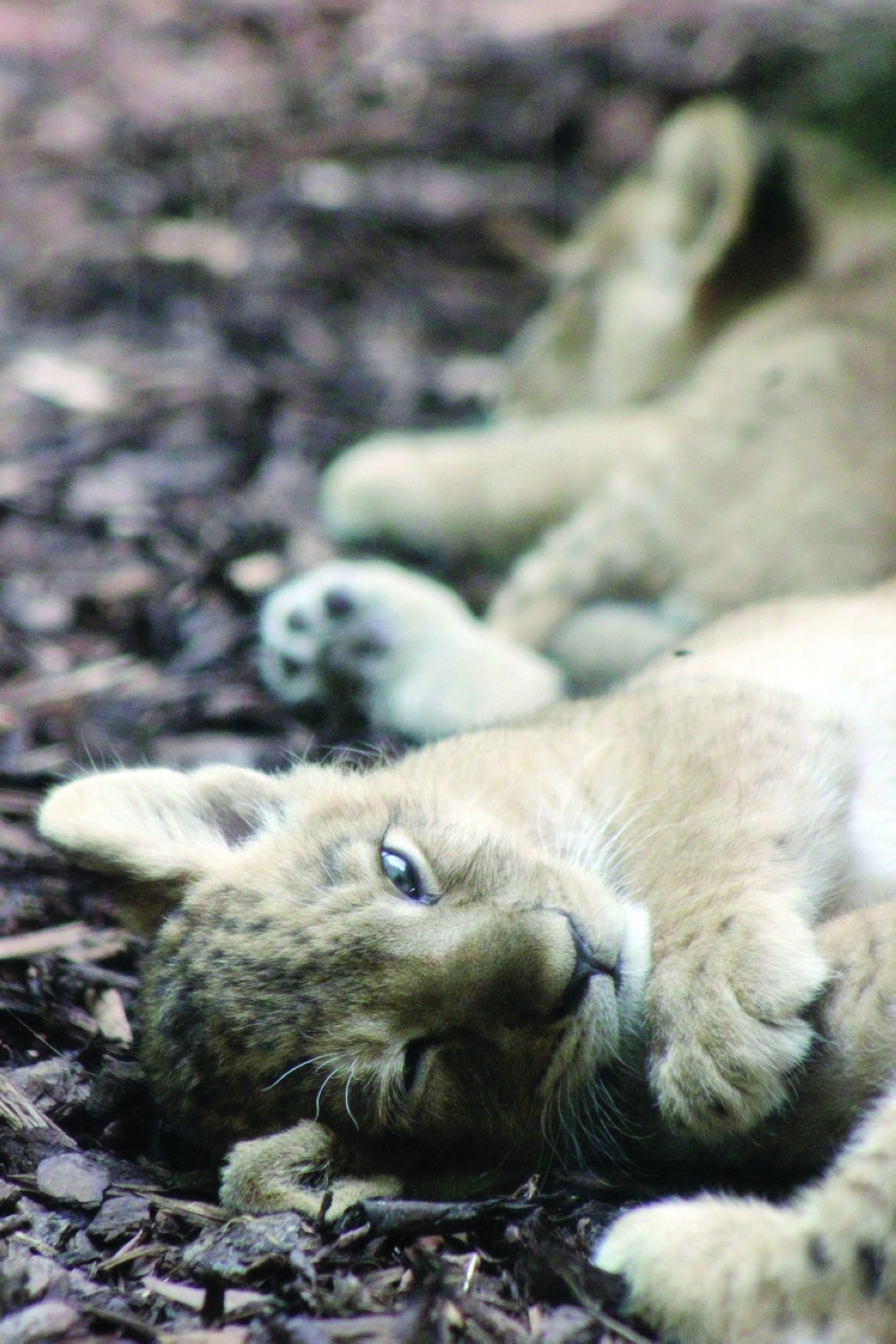
Despite his passion, Hisham is quick to warn others. “Raising a lion from a cub doesn’t mean you’re qualified to handle predators,” he says. He emphasises that anyone interested must follow the law—getting all necessary permits from government bodies like the Environment Authority, Royal Oman Police, Civil Defence, and others. These regulations aren’t just bureaucratic hoops; they’re safeguards designed to prevent accidents and ensure animal welfare.
Handling predators—especially in a country with strict wildlife laws—is no easy task. Enclosures need to be secure enough to prevent escapes. The animals require specialised diets, veterinary care, and mental stimulation to stay healthy. Owners must have the right training and experience. Without this, both the animals and the public are at risk—even with the best intentions.
Hisham stresses that raising wild animals isn’t a hobby for thrill-seekers. It’s an ethically charged responsibility. “It’s not for everyone,” he says plainly. “You need to be committed long-term, be willing to learn, and follow the rules.” He wants to avoid the image of exotic animals being kept as pets or status symbols—something increasingly frowned upon both locally and internationally.
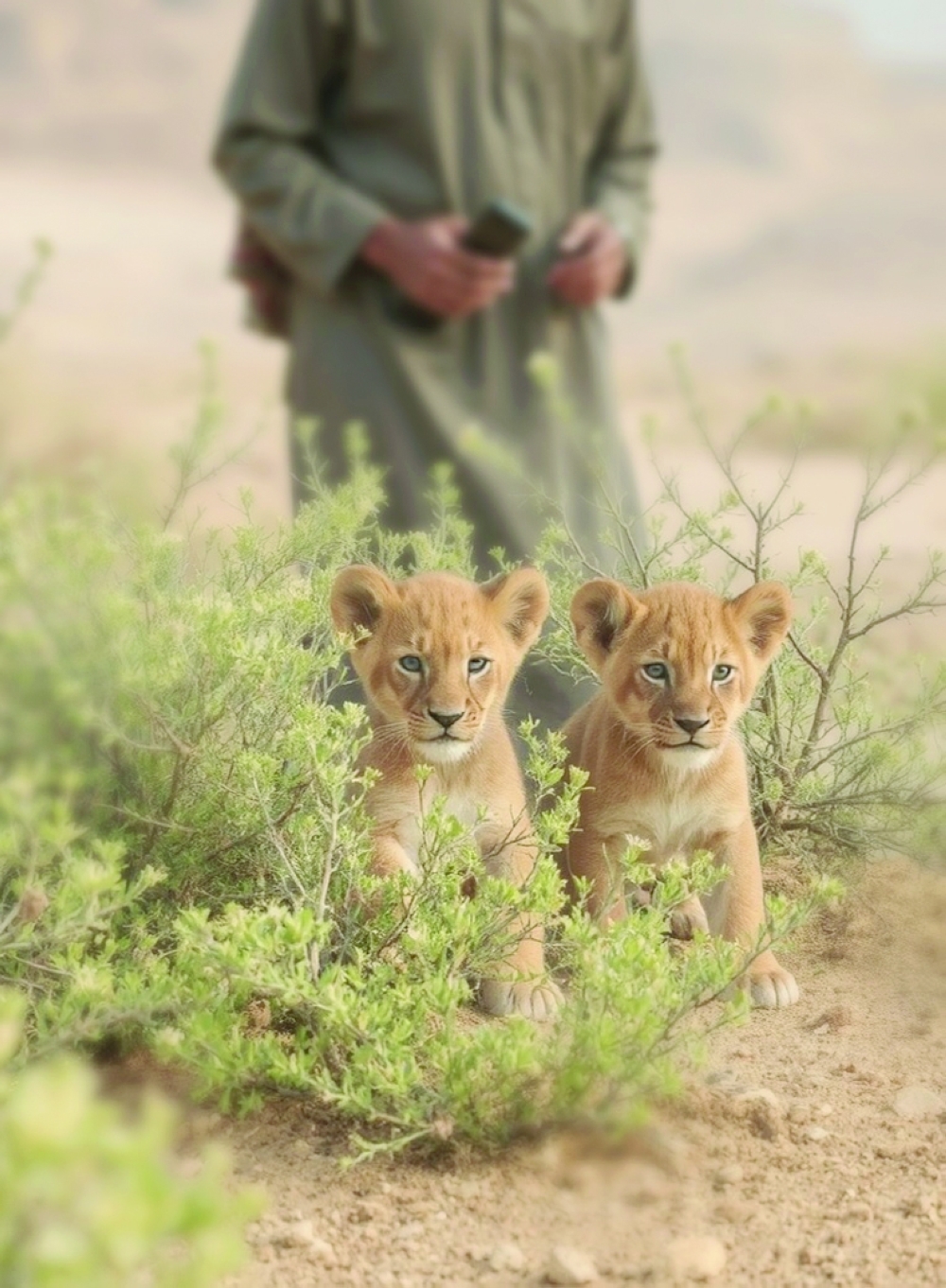
Many people don’t understand the extent of the work involved or the potential dangers. Hisham’s journey has been filled with challenges—legal paperwork, high standards for enclosures, continuous training, and the emotional toll of caring for animals that can be unpredictable.
Despite everything, Hisham remains optimistic. His dream is to combine his hands-on experience with formal education. He hopes to study veterinary medicine, focusing on animal sciences, so he can improve his skills and contribute more responsibly to wildlife conservation. His example raises an important question: how can Oman balance a deep respect for its natural heritage with safe, responsible wildlife management?
The truth is, raising wild predators isn’t just about fulfilling a personal dream—it's about respecting the science, laws, and ethics surrounding wildlife. It’s about recognising that these animals, beautiful and powerful as they are, require dedicated care and respect.
Oman Observer is now on the WhatsApp channel. Click here