Since Claude Lévi-Strauss penned his influential essay Race and History in 1952, commissioned by Unesco to explore the foundations of cultural diversity, the global conversation has steadily evolved to recognise the value of diversity as a cornerstone of development and human interaction. Lévi-Strauss argued that it is not merely the outward appearances of diversity that must be preserved, but the concept itself - diversity as a generative force capable of driving societal growth and intercultural understanding.
In today’s rapidly transforming world, cultural diversity is more than a historical legacy - it is an active ingredient in economic vitality, educational innovation and creative industries. It includes inherited traditions and evolving cultural forms shaped by modern societal shifts and digital connectivity. Cultural diversity enables dialogue, drives innovation and opens economic opportunities, making it a strategic asset rather than a sentimental ideal.
Unesco’s designation of May 21 as the World Day for Cultural Diversity for Dialogue and Development reflects this understanding. The occasion serves not only to celebrate the world’s cultural richness but to advocate for its role in achieving sustainable development. Cultural diversity can offer new models of inclusion, inspire technological innovation and foster global collaboration across sectors.
The growing influence of artificial intelligence has given new urgency to this perspective. A recent study titled How Does Cultural Diversity Impact the Development of AI in Companies?, published in the Journal of Financial Research Studies, confirms a direct correlation between diversity and innovation in AI. The presence of diverse cultural perspectives enhances creativity, improves product development and opens broader pathways for adaptation to complex social and commercial realities.
In this context, cultural diversity becomes part of a nation’s strategic infrastructure. It influences the formation of institutional identities, corporate branding and consumer engagement. China’s economic rise, for instance, has been supported by its investment in cultural diversity. The country’s vast linguistic heritage, despite the dominance of Mandarin, has played a role in shaping a multifaceted national identity that fuels creativity, facilitates internal cohesion and strengthens external competitiveness.
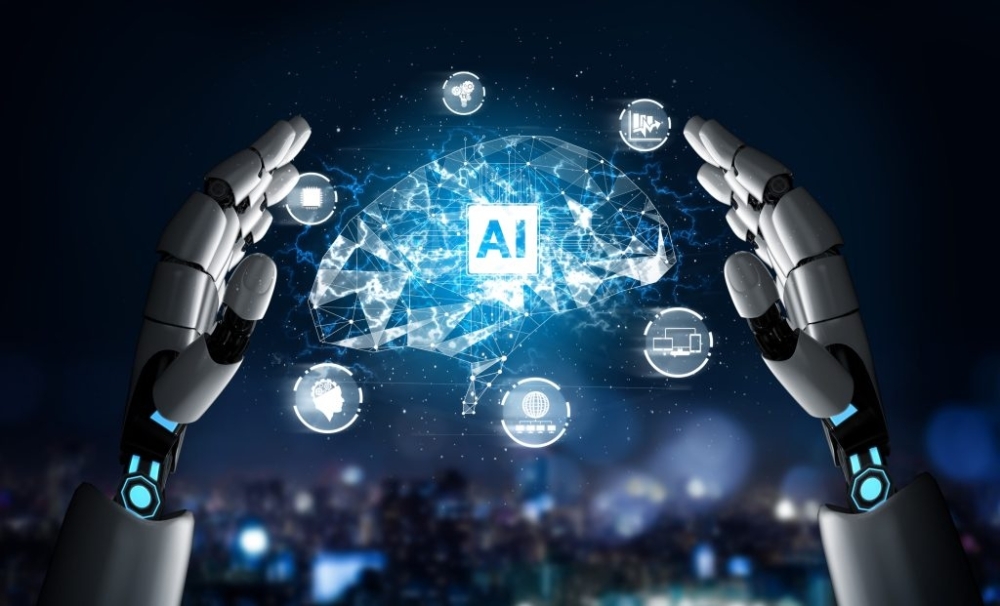
Languages and dialects, in this view, are not just tools of communication; they are vessels of historical experience and social knowledge. They bridge communities, support trade and enrich innovation ecosystems. When applied to AI development, cultural diversity enhances systems’ ability to interpret nuance, respond to varied user needs and reflect a more complete human experience.
As AI applications become more deeply integrated into governance, education and industry, cultural diversity is proving critical. It enriches the training data on which AI relies, ensuring that algorithms do not reproduce bias or exclude minority experiences. More broadly, diversity improves performance by generating alternative viewpoints, creative solutions and inclusive technologies. It is increasingly viewed as a competitive advantage in AI development, not a peripheral concern.
Oman, with its deep-rooted multicultural identity, is uniquely positioned to benefit from this emerging landscape. The Sultanate of Oman's long history of intercultural engagement, shaped by its geography and maritime legacy, has produced a cultural mosaic that remains central to national identity. Oman’s commitment to preserving this diversity through heritage protection and social investment has been matched by efforts to integrate cultural sectors into economic planning, particularly through support for small and medium enterprises and innovation hubs.
As the country advances its ambitions in AI and digital transformation, cultural diversity should be seen not only as a social asset but as a driver of innovation. By nurturing this diversity and embedding it into the design and deployment of AI systems, Oman can ensure its digital future is inclusive, creative and competitive. Protecting culture must go beyond documentation and archiving; it must involve developing frameworks for growth, enabling creators to reimagine traditional forms for modern applications, and positioning culture as a renewable resource within the knowledge economy.
Cultural diversity is no longer just a subject of academic discourse or cultural diplomacy - it is a foundation for building dynamic, resilient societies in the digital age. Its importance will only grow as technologies become more intelligent and societies more interconnected. For nations like Oman, recognising this link and investing accordingly is not merely a matter of cultural pride, but of strategic foresight.
(Translated by Badr al Dhafari and the original version of this article was published in Arabic in the print edition of the Oman newspaper on May 18)
Oman Observer is now on the WhatsApp channel. Click here