




MUSCAT, MAY 20
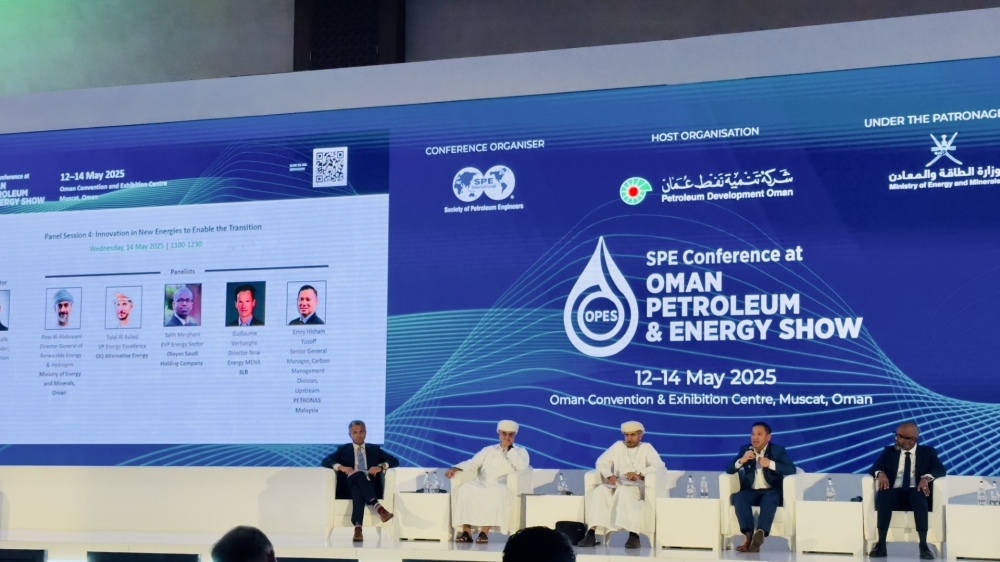
The energy transition must strike a pragmatic balance between climate ambitions and business sustainability, said Emry Hisham Yusoff, Senior General Manager of the Carbon Management Division, Upstream at Malaysia’s Petronas.
Speaking at a panel session during the Oman Petroleum & Energy Show (OPES), Yusoff addressed growing concerns among industry stakeholders about the economic viability of decarbonisation pathways, especially in the context of carbon capture and storage (CCS) and other capital-intensive interventions.
“Yes, there is pressure in investor and stakeholder meetings,” he acknowledged. “But we must ensure that alignment remains between long-term climate targets and the realities of running viable energy businesses.” Yusoff noted that natural gas continues to play a critical role in Malaysia’s energy mix, not just as a transition fuel but also as a core product in global markets.
“Gas demand is still growing—especially in Asia. We continue to see interest in LNG and related projects. It’s not about stopping activity, but about transforming it responsibly.” On CCS, Yusoff was cautious but optimistic. “In places like the US, where the government supports CCS through incentives such as the Inflation Reduction Act (IRA), projects are moving. But for us in Southeast Asia, the economics are different. The CO₂ concentration in our emissions streams is often below 4%, which makes capture much more energy- and cost-intensive,” he explained.
He added that Petronas is now reassessing how best to approach energy efficiency and emissions reduction. “We are working to reduce our own energy use and emissions intensity across upstream operations. But we also need to consider whether investments are achieving meaningful impact or just adding operational complexity.”
Yusoff emphasised that energy transition strategies must be tailored to regional and operational contexts. “This is not a copy-paste exercise. We must understand what works locally and where we need to refocus efforts.”
Oman Observer is now on the WhatsApp channel. Click here