In an increasingly fragmented world, where mistrust and rivalry often dominate international headlines, the Sultanate of Oman, with Muscat at its helm, offers a striking counter-narrative, one of quiet diplomacy, cultural coexistence, and strategic connectivity. Nestled at the crossroads of the Arabian Peninsula, Oman has long played a pivotal role in facilitating trade and dialogue between East and West.
Today, this historical legacy is reflected in Muscat’s role as a modern capital that connects regions geographically and brings together diverse cultures, economies, and political ideologies.
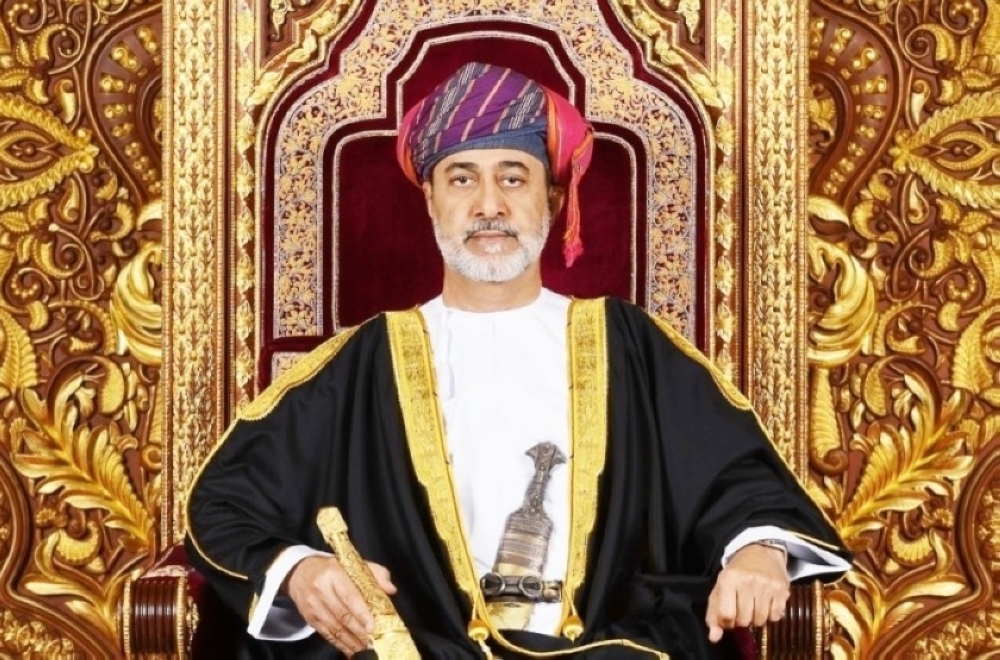
Muscat is not merely the administrative centre of Oman; it is a symbol of the country’s enduring ethos of moderation and balance. Oman’s foreign policy, shaped by the visionary leadership of His Majesty Sultan Haitham bin Tarik, has consistently focused on neutrality, non-interference, and bridge-building. Upon assuming power in 2020, Sultan Haitham explicitly reaffirmed the nation’s commitment to these guiding principles, pledging to preserve Oman’s peaceful and constructive regional actor role. These principles have enabled Muscat to be a trusted venue for high-level dialogue, often behind the scenes.
For instance, Oman was key in facilitating talks between the United States and Iran over the latter’s nuclear programme. This is a testament to the trust it commands in both geopolitical divides. In a region often marked by competing interests and shifting alliances, Muscat’s ability to maintain equidistance and promote diplomacy positions it uniquely as a capital of quiet influence.
Oman’s diplomatic credibility is further supported by its commitment to regional stability, particularly in conflict zones such as Yemen. Muscat has served as a backchannel and peace broker to end the humanitarian crisis there, working discreetly with international actors and local factions. Such efforts are not driven by self-interest, but by a deep-rooted belief in the power of dialogue, mutual respect, and peaceful coexistence. This principled foreign policy approach has made Oman a preferred interlocutor for global powers seeking to navigate complex regional challenges without adding to the volatility.
However, Muscat’s role as a bridge between East and West is not confined to geopolitics alone. Oman’s ambitious national strategy, Vision 2040, positions the country as an emerging hub for global trade, sustainable development, and technological innovation. Under this blueprint, Muscat transforms into a gateway city where East meets West in commerce and investment.
The government’s progressive reforms, including 100% foreign ownership in various sectors, streamlined business regulations, and public-private partnerships, attract interest from Asian and Western investors. Economic zones like Duqm, Sohar, and Salalah reinforce Oman’s role in global supply chains, making Muscat a diplomatic capital and a business-friendly epicenter for East-West collaboration.
Furthermore, Oman’s unique cultural identity is another layer of its bridging role. Rooted in a centuries-old maritime heritage, Omani society has long been shaped by interactions with Africa, India, Persia, and the Arab heartland. This heritage has fostered a tolerant and pluralistic ethos proudly upheld today. Muscat embodies this spirit of inclusivity, reflected in its harmonious coexistence of diverse religious and ethnic communities. The government’s proactive promotion of interfaith dialogue, notably through initiatives like the “Message of Islam” exhibition, which has toured over 30 countries, clearly reflects Oman's soft power. These cultural engagements dispel stereotypes and serve as diplomatic tools that build bridges where political discourse sometimes fails.
In a global context where misinformation and cultural misunderstanding fuel division, Oman offers a living example of moderation and respect. Surveys indicate high satisfaction levels among expatriates living in Oman, many of whom cite the country’s safety, openness, and tolerance as key reasons for their contentment. Muscat, in particular, has become a multicultural hub where global citizens can live, work, and thrive in an atmosphere of mutual acceptance. This openness, combined with Oman's stable governance, makes it an ideal venue for international conferences, educational partnerships, and cultural exchanges.
Looking forward, Muscat’s role as a connector between East and West will likely grow significantly. As the world navigates a new multipolar order, smaller states like Oman find increased space to contribute meaningfully to global affairs. By investing in education, green energy, and digital innovation, Oman is preparing its youth for the future and setting the stage for international collaboration. Muscat’s emerging sectors—from logistics to clean energy—offer immense potential for joint ventures with partners from both Eastern and Western economies.
In conclusion, Muscat is far more than the political heart of Oman. It is a living embodiment of the Sultanate’s identity as a nation of peace, pragmatism, and partnership. Whether through diplomacy, economic policy, or cultural engagement, Muscat continues to link continents, ideologies, and civilizations in ways few cities can claim. In a time when building walls has become a common impulse, Oman stands out for building bridges. As such, Muscat deserves global recognition—not only as a capital city, but as a capital of connection.
Dr Umair Waqas
The writer is Assistant Professor- Supply Chain Management at the College of Commerce and Business Administration, Dhofar University
Oman Observer is now on the WhatsApp channel. Click here