Before university in the UK I worked for several employers who offered no meaningful training.
They never benefited from my full potential and consequently I felt no loyalty to them. After graduating from university I opened my own schools, implementing the training principles learned at university I found lacking in my earlier jobs.
However, not all young people can or want to become entrepreneurs. Most depend on employers for career development. Businesses that don't offer training alongside jobs are short-sighted — missing opportunities to develop talent while failing to inspire loyalty. They often complain about skills shortages while refusing to invest in developing those very skills.
In today's competitive market, businesses need skilled workers but face talent shortages. The answer is simple yet often overlooked: invest in training young employees. This approach benefits both workers and companies in powerful ways.
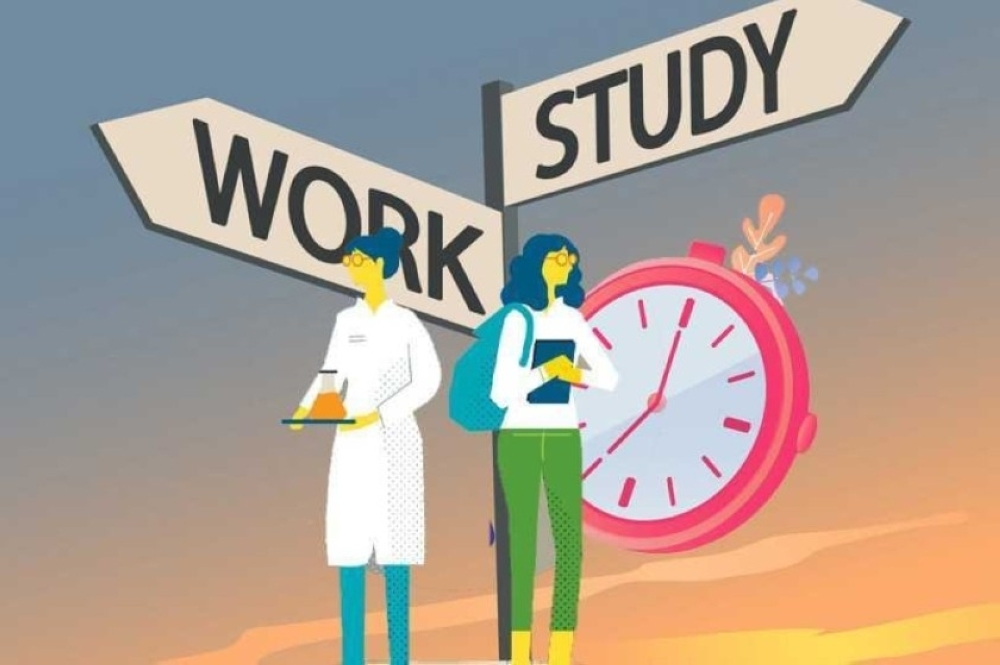
When businesses train young employees they create a win-win situation. Young workers gain practical skills not taught in schools, clear career paths, better job satisfaction, higher earnings and valuable experience. Companies get well-trained workers, lower turnover costs, increased productivity, fresh ideas and an enhanced reputation.
Training makes financial sense. It costs less than constantly hiring new people. Research shows companies with good training programmes earn higher profits and achieve greater productivity.
Without training, talented youngsters leave, causing hidden costs through lost productivity and knowledge. Training builds a stable workforce with the right skills.
This approach solves the frustrating experience gap. Employers struggle to find qualified candidates while young people can't get jobs without experience. Training breaks this cycle by hiring for potential and developing needed skills. Everyone benefits. When young employees see a future within a company, they become more committed. Training shows that businesses value their growth. Employees understand their career path, while companies develop future leaders and ensure knowledge transfer. Young workers bring fresh thinking that can transform businesses.
When innovative ideas combine with practical training, companies gain competitive advantages.
They become more adaptable and can anticipate market changes rather than just react to them.
Effective training doesn't need to be complicated. It should include a proper introduction to job responsibilities, mentoring by experienced staff, exposure to different departments, educational opportunities, clear links between training and advancement and regular feedback.
Training young employees makes sense economically, strategically and ethically. Forward-thinking businesses recognise training as an investment, not an expense. Companies that commit to this approach today will enjoy significant advantages tomorrow, building their future on skilled, loyal employees ready to lead them forward. My own work experience in the UK demonstrates this precisely. Who knows? If one of the companies I had worked for had offered me training alongside my job I might have regarded this as a sign that the company saw me as someone worth investing in and I might have remained a loyal and useful employee benefiting the company.
Oman Observer is now on the WhatsApp channel. Click here