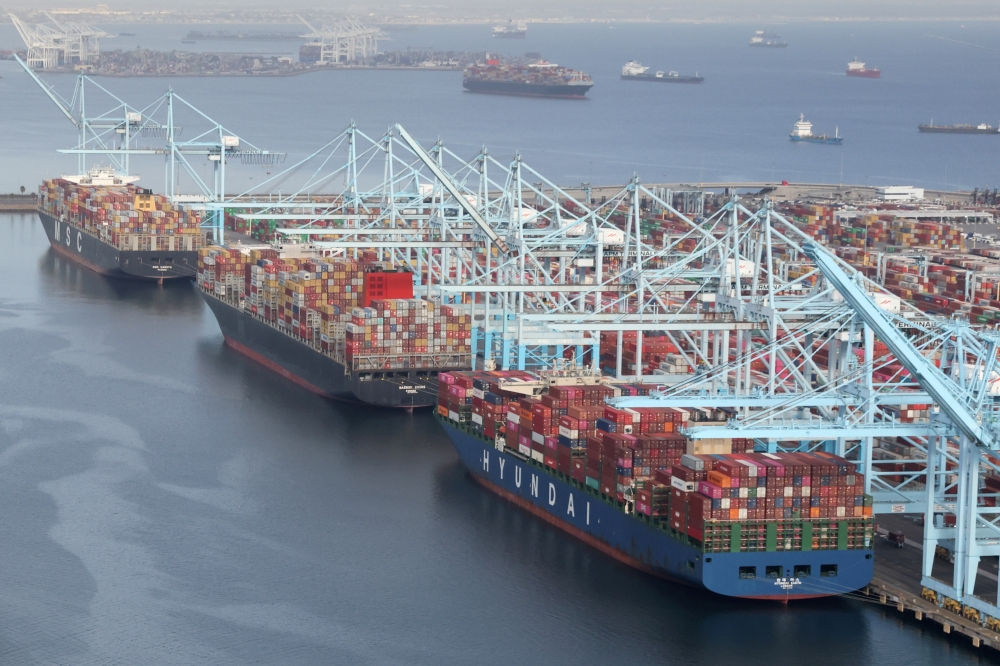
According to the United Nations (UN), there are 195 countries worldwide, and 166 countries are members of the World Trade Organization (WTO), representing 98% of the global trade and GDP. As per the United Nations Conference on Trade and Development (UNCTAD), global trade reached $33 trillion in 2024. However, the outlook for 2025 remains uncertain. Interestingly, 2/3 of international trade occurs without tariffs due to the Most Favored Nation treatment (MFN) and other trade agreements.
The MFN (Article 1 of GATT) global rule of trade is that if one country gives another country a special deal, it must provide the same deal to all other countries with an MFN agreement, and usually all members of the World Trade Organization (WTO). Most tariffs on remaining goods are very high. Developing countries face higher tariffs.
South-South trade, which is between developing countries, still faces high tariffs. The United States of America, by imposing differential tariffs on member countries like 27% on India and 145% on China, has violated the Most Favored Nation (MFN) principle, which mandates that equal tariffs be imposed on all WTO members except WTO-sanctioned exemptions.
The US trade actions of unilaterally raising tariffs without renegotiating or invoking valid exceptions directly breach WTO obligations, undermining the multilateral international trading system After Trump’s election and subsequent tariff announcement, not only is it making headlines, but the Google search of the word “tariff” has spiked by 1650%, showing that the world is rapt with the mercurial flux of tariff announcements and their impact on people, businesses, and economies. The spike also reflects public confusion and heightened interest, necessitating more clarity on the nature and implications of tariffs.
Tariffs are taxes on goods imported from other countries. Many people think that the exporting nation pays tariffs. Contrary to this popular misconception, tariffs are paid by companies importing goods from abroad. These companies pay tariffs to their own country's treasury. The most common tariff is Ad Valorem, which is a fixed percentage of the value of the imports.
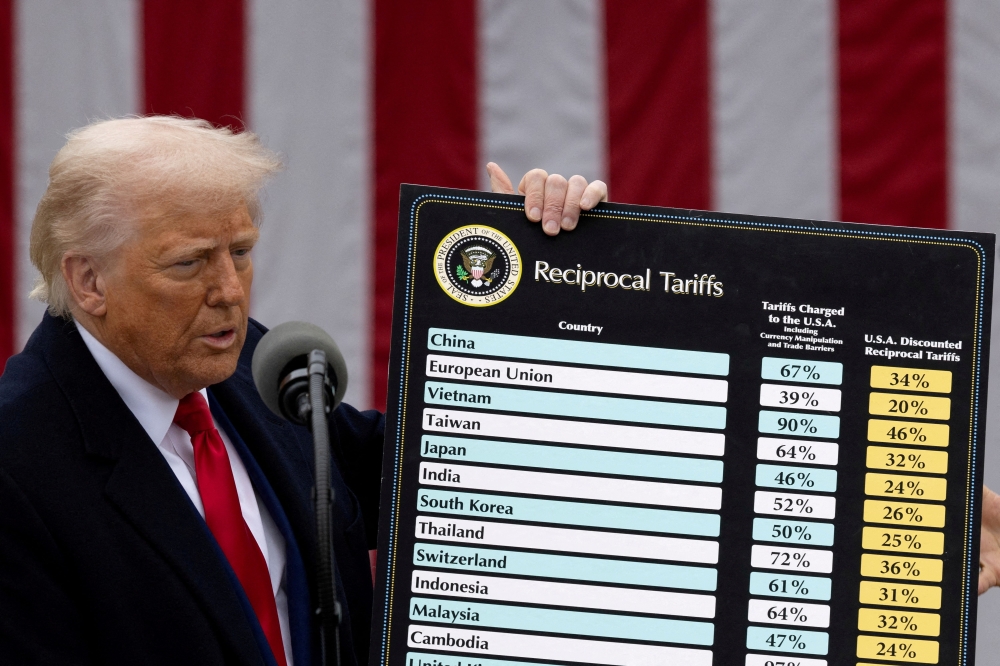
Special tariffs are also charged as a fixed amount on each imported good. The purpose is to protect the domestic producers from foreign competition. Tariffs are intended to make imports more expensive and drive consumers to domestic producers. They contribute to the government's revenue like other taxes. However, many economists believe they are counterproductive, as they increase inflation by reducing consumption and making local supplies more expensive. Though importers pay tariffs to their governments, most economists believe that most tariffs are passed on to consumers and businesses.
Another aspect of tariffs is that they are regressive taxes that disproportionately affect poorer consumers. This can often lead to a trade war, as other countries will introduce retaliatory tariffs in response to the tariffs imposed on their country. Tariffs also break the flow of goods globally and cause business volatility. It fractures international trade and results in fewer benefits for everyone. 94% of economists predict further fragmentation of global trade in goods over the next three years, hurting the domestic and global economies.
Understanding tariffs and their strategic implication is becoming very important. Tariffs are the new geopolitical tactics shaping worldwide trade and international relationships.
In conclusion, tariffs are taxes on imports paid by the importing countries. They are a source of revenue and a protectionist and political tactic, but they have significant repercussions that must be critically considered. Tariffs are a tactical and essential tool in international trade. However, they come with trade-offs, like increased government revenue, protecting some and simultaneously harming other industries, and rising prices for consumers. As tariffs continue to shape our grocery list, make headlines, and affect international trade, know your tariffs before voicing your choice.
Oman Observer is now on the WhatsApp channel. Click here