




Oman has long been known for the richness of its natural environments and the diversity of its cultural heritage, shaped by the deep connection between its people and the land. Among the many natural resources that have played a central role in daily life, the palm tree stands out not only as a source of food and shade but also as the foundation for several traditional industries. One of the most significant among these is Zfanat Al Da’un, a craft that reflects the skill of the Omani people and their deep connections with their land.
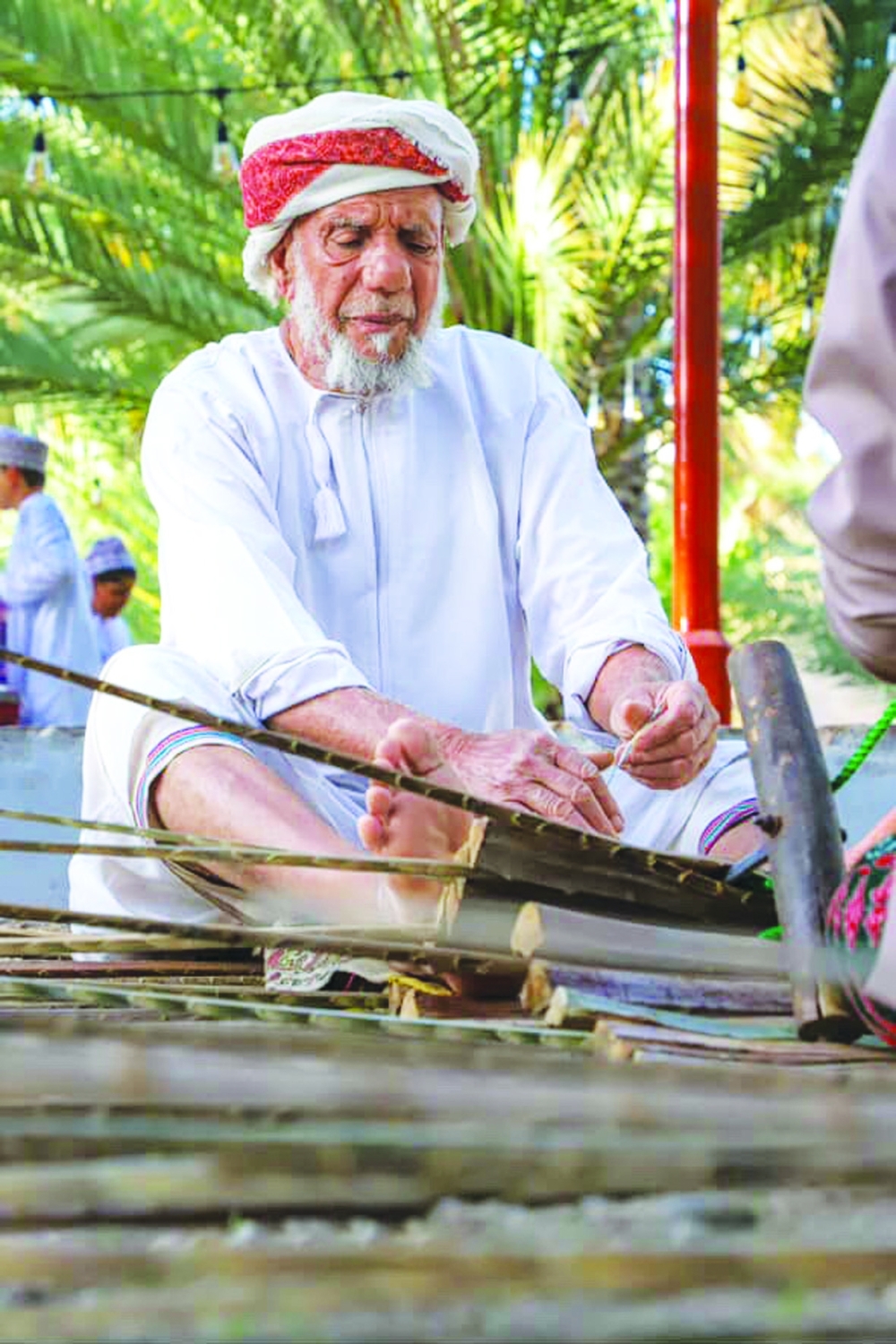
Zfanat in Omani dialect refers to the craft of weaving, specifically in this context to the traditional art of weaving da’un—a final product crafted from dried palm fronds. The process begins with carefully collecting the fronds from the palm trees, which are then manually cleaned of any coarse fibres and thorns. These fronds are then woven into the final product, known as da’un, using a meticulous process that requires both skill and patience.
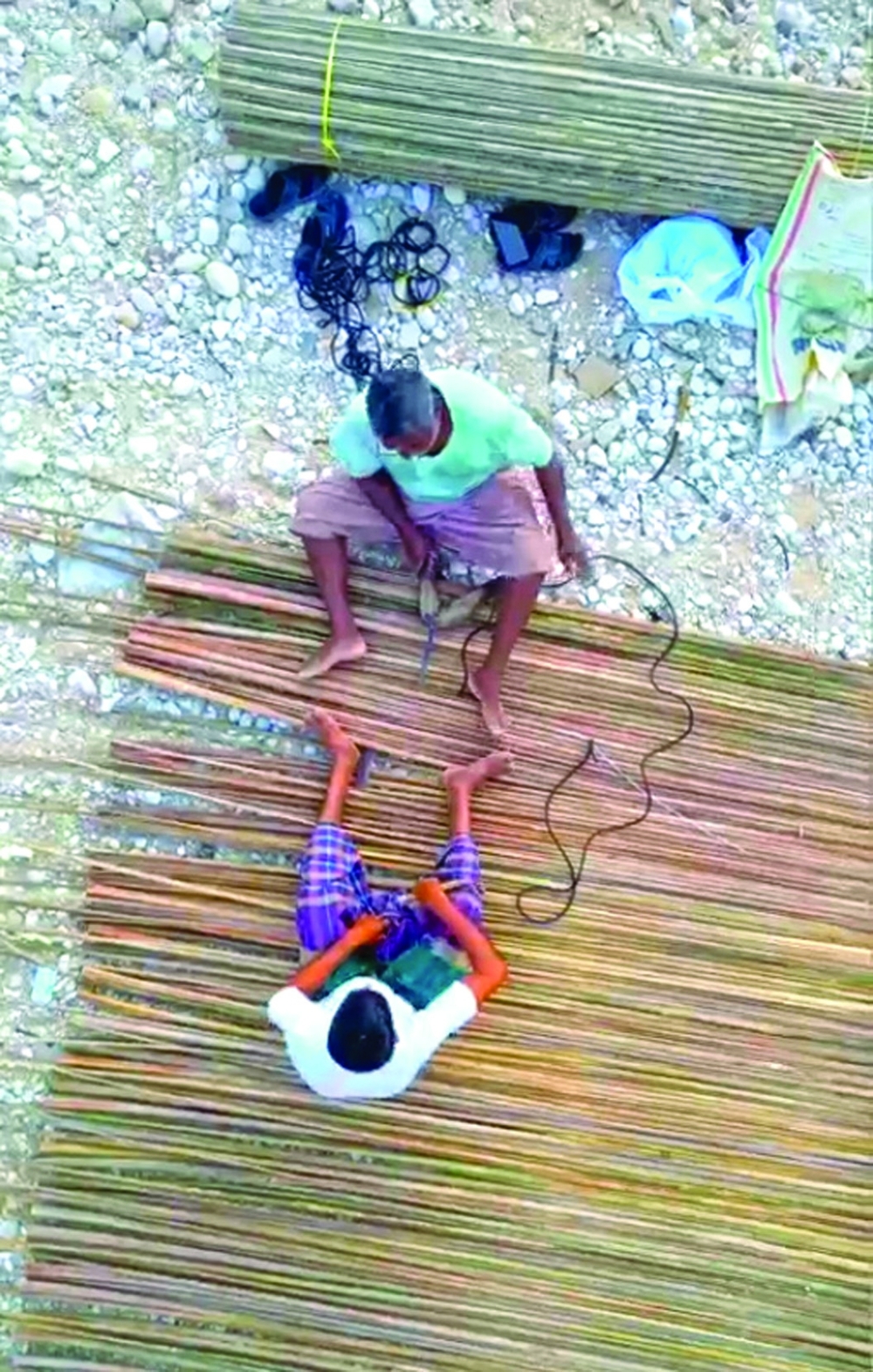
Once the da’un is prepared, it is woven by hand in a detailed and precise manner that ensures strength and durability. Craftsmen rely on simple, traditional tools, often reinforcing the structures with additional fibres from the palm itself. This weaving process requires patience, expertise, and knowledge passed down through generations.
The products made through Zfanat Al Da’un were not merely decorative; they were essential to daily life. The woven mats covered the floors of homes, large canopies provided much-needed shade from the harsh sun, and sturdy baskets were used to store and transport crops. These items were prized for their lightweight properties, resilience to the local climate, and sustainability, relying solely on natural materials abundantly available throughout Oman.
Omani photographer Faisal Al Saadi has been fascinated by the process, saying that it is one of Oman’s traditions that needs protection to ensure it is passed on to future generations.
In one of his Instagram posts, he noted that there was a time when crafts made through this process were in demand, particularly when people had more limited resources.
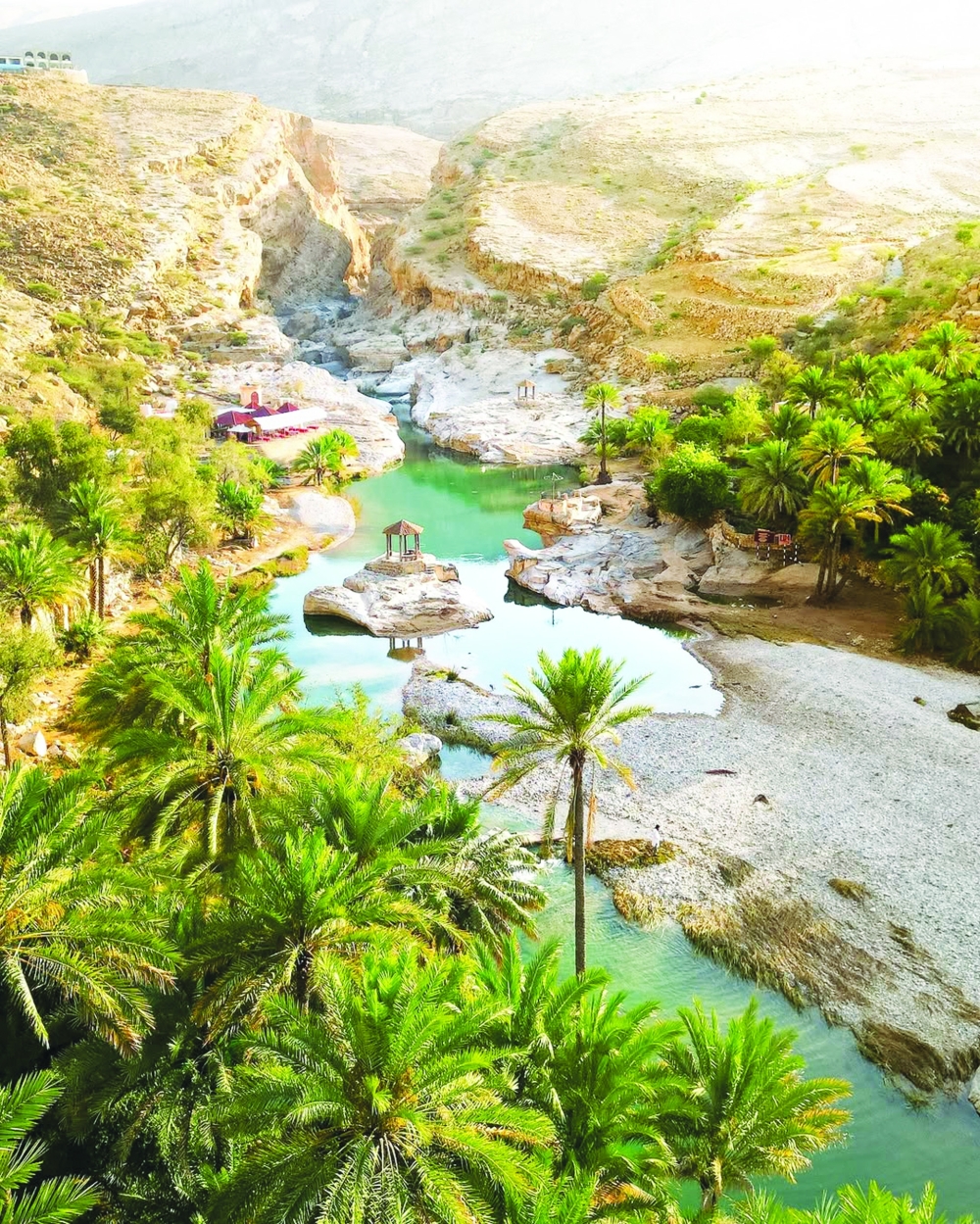
"It's one of Oman’s ancient traditional crafts practised extensively in Nizwa, and it has been passed down from grandfathers to their grandchildren. At one point, it was socially and economically important."
"For many Omanis, this craft was used to create materials for drying dates and for building shelters like the 'areesh' and tents. Some used it as roofing for buildings and mosques. Many of the people who know this craft well have passed away," he noted.
As an avid traveller with a deep appreciation for the Omani landscape and culture, Faisal has journeyed through different wilayats celebrating Oman’s traditions. Through his travels all over the country, he has observed that some traditions are no longer of interest to young people.
"This is a very tedious process. Creating this takes quite some time because after cutting the wood, it involves a lot of processes, including cleaning the fronds, soaking them in water, drying them again, and another week or two to weave them together in a very stable manner. It's true artisanal work," he said.
He felt nostalgic that what was in demand in the past, used for the construction of not just tents but also for camping and hotels, is now losing its relevance.
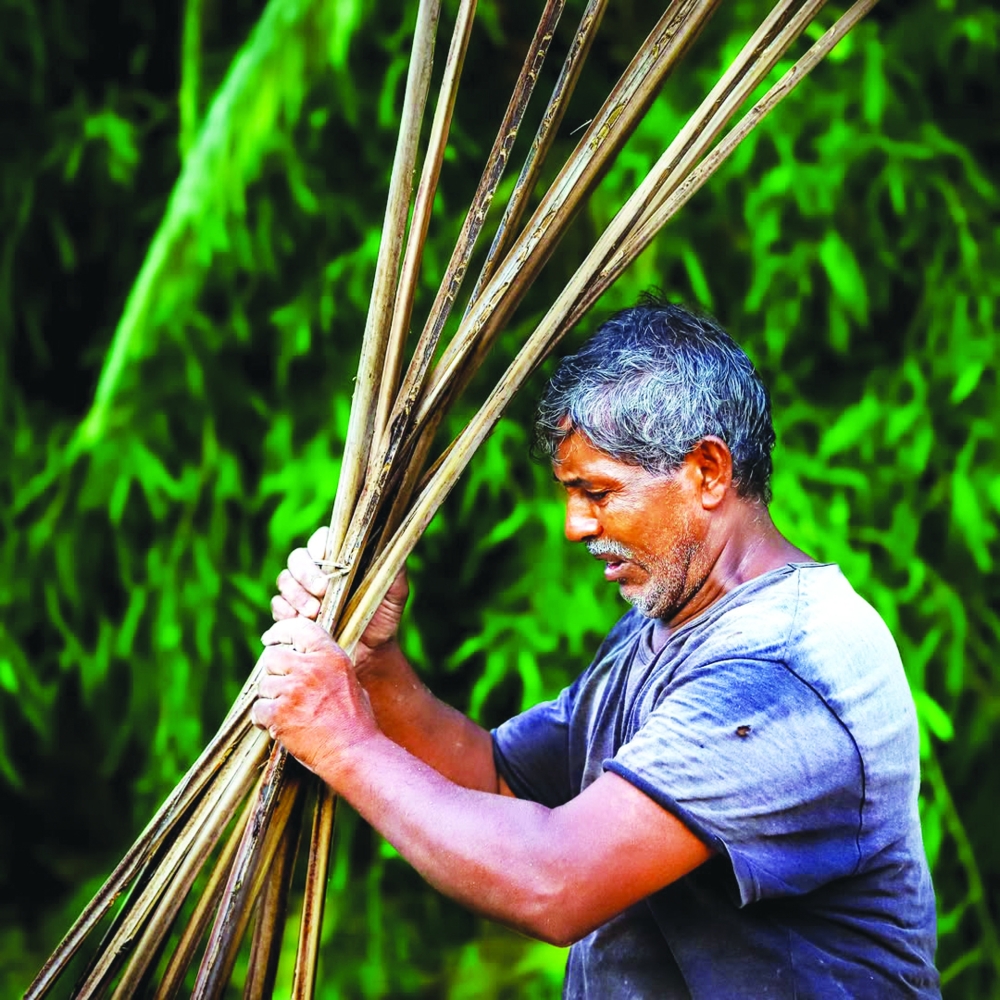
The craft of Zfanat Al Da’un demonstrates the Omani people's profound understanding of their natural environment and their commitment to sustainable living. Every part of the palm tree was utilised, reflecting a way of life deeply rooted in resourcefulness and respect for nature. Moreover, the skill and care involved reveal an innate Omani aesthetic, balancing function with understated beauty.
Although modern materials and industrial alternatives have largely transformed daily living, Zfanat Al Da’un has survived as a vibrant part of Oman’s cultural identity. Today, it features prominently in heritage festivals and traditional markets, supported by initiatives from the Ministry of Heritage and Tourism and various craft associations. These efforts aim to revive the craft, preserve it, and pass its techniques on to younger generations.
Zfanat Al Da’un is more than a traditional craft; it is a living story of patience, creativity, and an enduring love for the land. It continues to tell of an Omani spirit that holds fast to its roots while embracing the future.
By Arwa Al Hashimi
Photos by Faisal al Saadi
Oman Observer is now on the WhatsApp channel. Click here