China has announced an increase from 34% to 84% in retaliatory tariffs on goods imported, effective April 10, 2025, and then a further increase to 125% effective from April 12, 2025, in response to the Trump administration's escalation of tariffs on China.
The Chinese retaliation is in response to US tariffs on Chinese imports, first to 104%, then to 125%, with some sources and official statements indicating that the effective rate on many Chinese goods could reach as high as 145% when accounting for additional measures. The world's manufacturing hub and the most crucial market are in a trade war with no signs of slowing down.
Many experts worry that the speed of tariff announcements and the retaliatory tariff response from nations is not giving governments and investors time to adjust to the new and different global economy. Most economists warn of a US recession and a global recession. With the current tariffs, there is no market for US goods imported into China. The further increase in tariffs does not make economic sense.
President Trump stated that the most recent 21% increase was imposed due to what he described as a “lack of respect” from China. Parallelly, the US has announced a 90-day pause on tariff increases for most countries, maintaining a flat 10% tariff for those trading partners.
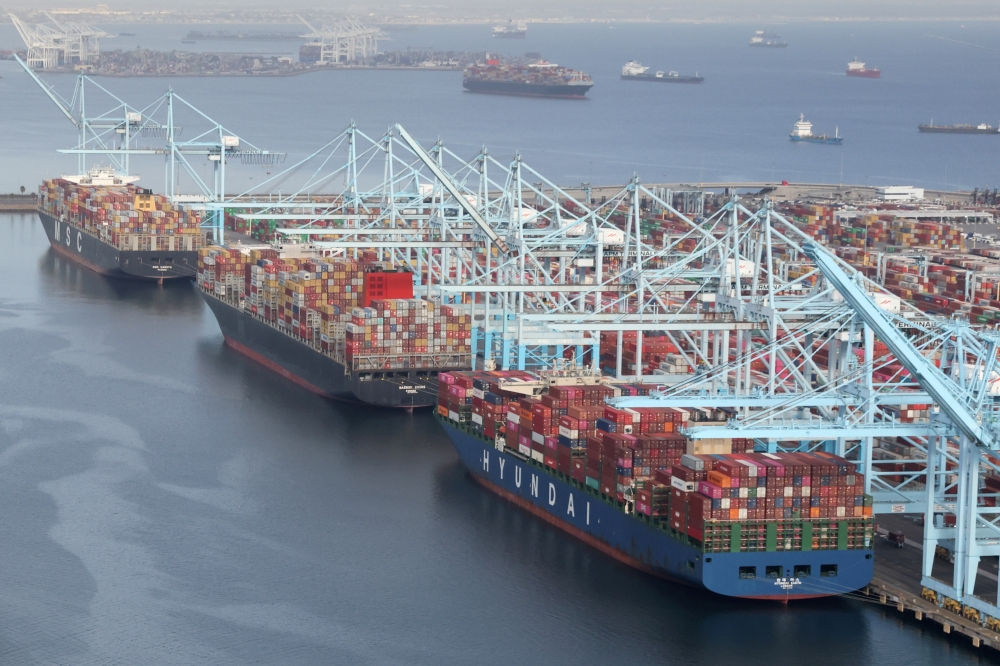
Still, this pause excludes China, which remains subject to the sharply elevated rates. The Chinese export smartphones, computers, lithium-ion batteries, toys, video game consoles, and many goods, from screwdrivers to boilers.
The unprecedented escalation of tariffs and retaliatory tariffs between the US and China could render bilateral trade in many goods unviable. The Chinese did not back off or remove tariffs unilaterally; instead, China has gone for a tit-for-tat tariff approach with retaliatory tariffs on US imports and wide-ranging restrictions on US businesses, including an anti-monopoly investigation on US firms, including Google.
China has also allowed the currency yuan to weaken, making exports more attractive.
China's sluggish economy has rising unemployment and a prolonged property market crisis. The tariffs will exacerbate China's economy, hitting the nation's exports for years; exports have played a significant role in China's explosive growth. Though the country is diversifying into high-tech and high-value, aiming to boost low domestic consumption, experts believe exports remain a key growth driver.
Chinese firms are scrambling to search for alternative supply chains in this uncertainty. China believes that higher tariffs mean even less. Exports contribute 20 to 50% of China's growth, which will now become much lower. Though China had shown economic growth in early 2025, most experts and top banks have forecasted a slowdown of 2% in the GDP. According to experts, such broad, unprecedented, sweeping tariffs will only cause more harm than good to consumers, businesses, and the economy. Many Chinese manufacturers are already adjusting by shifting their supply chains to other countries like Vietnam and Cambodia.
With millions of job losses, small and medium enterprises in China's manufacturing and export sectors will bear the brunt. Despite these challenges, China has been preparing for such an eventuality for years by diversifying its trade relationships, strengthening supply chains for critical minerals, and investing in high-tech sectors like semiconductors and AI. The Chinese government plans to survive the external shocks by implementing monetary and fiscal stimulus measures to support growth and domestic demand.
China’s resilience in the trade war and its emerging alternative supply chain could lead to developing a multipolar global trade ecosystem, with short-term disruptions. Though the sluggish Chinese economy and the 145% tariffs could exacerbate the export-growth-oriented nation, it can survive with slow growth and structural changes. The future of the US-China trade war depends on both countries' willingness to negotiate, the duration of the tariffs, and the swift ability to change the global trade dynamics.
Oman Observer is now on the WhatsApp channel. Click here