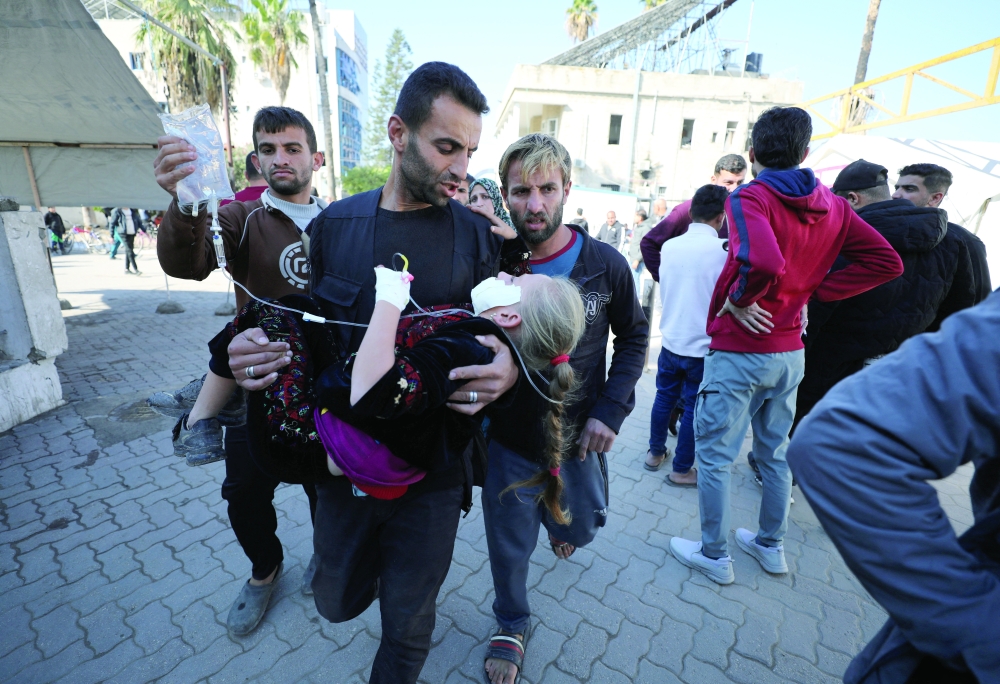
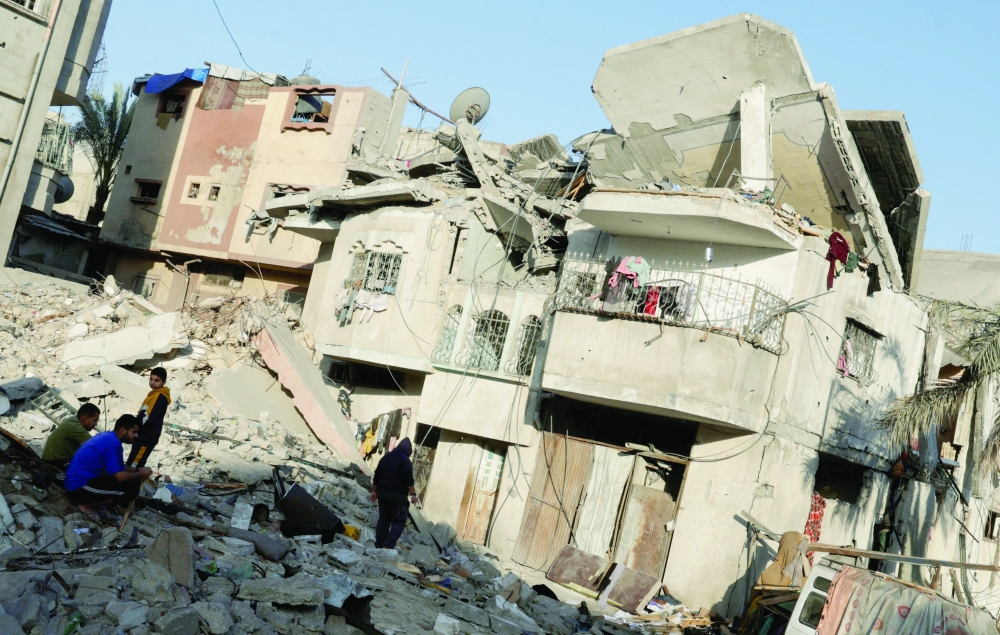
Since the outbreak of the barbaric Israeli war on the people of Gaza on October 8, 2023, the crises facing Palestinian families in this territory have also increased. This is due to the scarcity of food, drink, medicine, and all the necessary supplies and goods for survival amid the closure of the main crossings.
However, what the world did not expect was that the people of the occupying state would also be afflicted by this economic and social crisis, as the ongoing war contributes significantly to rising in the prices of goods and products in the Zionist state.
Today, it has become common for Israelis to wait for hours to obtain a free meal or food aid from some donor company. These lines can stretch hundreds of metres in length on the streets of Tel Aviv. There is a severe economic crisis affecting Israeli markets, not to mention the political, military, and economic problems resulting from the refusal of reserve soldiers to participate in this war waged by Netanyahu and his clique to remain in power. This war has revealed a severe economic crisis manifested in several aspects, and increased transportation and insurance costs.
Production and commercial activity are in steady decline as a result of the closure of institutions, factories, and stores, especially in the south. The technology sector, one of Israel's most important sources of income, has also been affected by the call-up of a large number of its workers to military service. Indeed, Israel is suffering today from the daily costs of war due to the continued operation of military equipment, not to mention the compensation required to be paid to civilians affected by the war, whether in terms of infrastructure, homes, or businesses. In terms of investment and tourism, foreign investors have become more cautious about continuing these trends, while tourism activity is declining due to the security situation. This is leading to a growing fiscal deficit resulting from increased military spending, declining revenues, a budget deficit, and the government's need to borrow.
Many vital sectors in Israel have been affected and supply chains and logistics have also been disrupted, impacting production and distribution and declining industrial exports. In the small and medium-sized business sector, shops, restaurants, and offices have been affected, and the number of customers has decreased due to security concerns and limited movement. Difficulties in paying rent and salaries have led to the layoff of a number of employees. Consequently, development and innovation projects have slowed, and international deals and investments have been postponed.
This ongoing war also affects healthcare services due to the significant pressure on hospitals due to the number of casualties. There is a significant shortage of medical personnel in some areas due to their call-up to reserve duty, not to mention the challenges in providing medical equipment and supplies. Consequently, this crisis exacerbates labour and employment problems, and unemployment and layoff rates rise.
The war on Gaza has caused significant losses to the Israeli financial market, not to mention the decline in the value of the Israeli shekel and the deterioration of the occupying state's credit rating.
What is the outcome of this conflict? The migration of more Israelis to the countries from which they came over more than half a century. This is a natural consequence of the occupation of Palestinian land, and the beginning of the establishment of an independent Palestinian state.
Haider al Lawati
The writer is a Muscat-based economic analyst who previously worked for CBO and OCCI
Oman Observer is now on the WhatsApp channel. Click here