




MUSCAT, APRIL 12
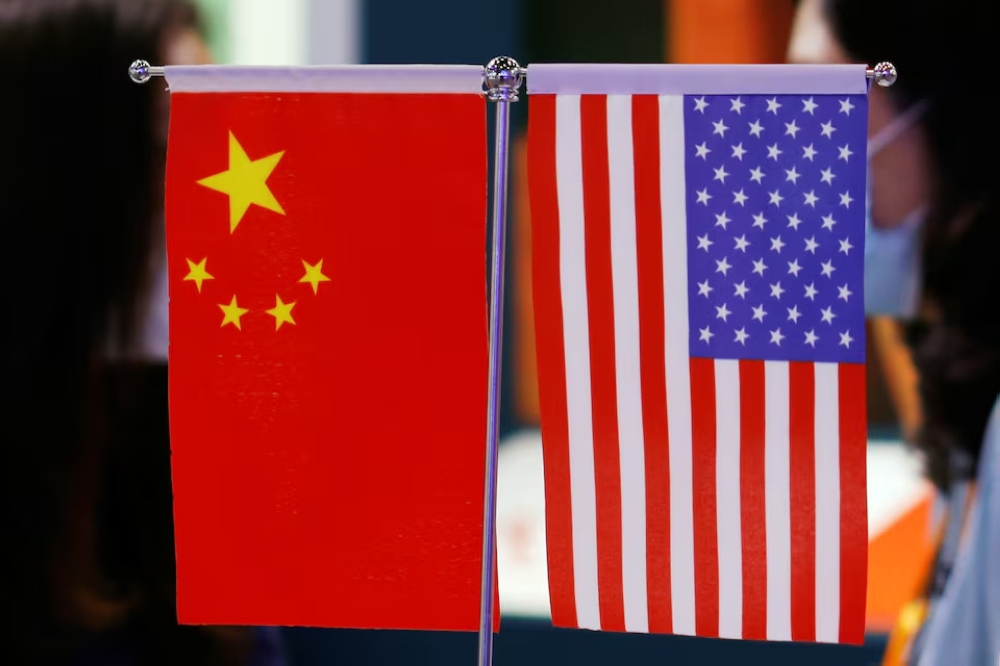
In recent weeks, a new economic shockwave has begun to ripple through global markets—not from oil prices, but from a looming escalation in trade tensions between the United States and China. Prominent Omani economist Azza al Habsi warns that proposed US tariffs of up to 125% on Chinese imports—a policy strongly endorsed by former President Donald Trump and increasingly discussed in Washington—could have significant and immediate consequences for Oman and its GCC neighbours.
To understand the impact, consider a basic example: a US importer recently paid $1,000 for a Chinese-made kitchen appliance. With a 125% tariff, that same product would now cost over $2,250. US importers, faced with ballooning costs, will naturally seek cheaper alternatives—either domestically or from other trade partners such as Vietnam, Mexico, or India.
But what happens on the Chinese side of the equation? Manufacturers in China, having already produced goods for export to the US, suddenly find themselves without a buyer. In a bid to maintain cash flow, these producers are likely to divert inventory to other markets, even at deep discounts.
Enter the GCC: A prime target for dumping
The GCC, including Oman, is particularly vulnerable in such scenarios due to its open trade policies, relatively low tariffs, and strategic location. Azza al Habsi cautions that the region could become a dumping ground for excess Chinese goods—products sold below production cost to rapidly clear inventories.
This practice of dumping may temporarily benefit consumers through lower prices, but it carries long-term consequences for local industries. Domestic manufacturers, already grappling with softening demand and global economic headwinds, would face unfair competition, threatening jobs, investments, and the viability of key sectors such as manufacturing and logistics.
History provides a cautionary tale. In 2017, when the US and EU imposed anti-dumping measures on Chinese steel, surplus exports were rerouted to the Middle East, including Oman. The influx of cheap steel caused regional prices to plummet, inflicting severe damage on GCC steel producers. In response, Gulf governments, including the Sultanate of Oman, launched anti-dumping investigations and enacted safeguard duties under the frameworks of the GCC Common Law on Anti-Dumping and the WTO.
Policy Responses
If the US does enact a 125% tariff, policymakers in Oman and across the GCC will need to prepare for the likelihood of redirected Chinese exports. Options may include:
• Monitoring imports more rigorously for signs of dumping.
• Strengthening domestic industry support mechanisms, such as subsidies or tax relief.
• Implementing temporary safeguard measures, consistent with WTO regulations, to prevent market distortions.
• Accelerating diversification strategies to reduce dependence on vulnerable industrial segments.
As Al Habsi puts it, “This isn’t about isolated trade policies between two giants. It’s about the downstream ripple effects that reach all the way to our ports, our factories, and our local businesses.
Looking Ahead
While oil remains the bedrock of GCC economies, non-oil trade vulnerabilities such as dumping, protectionism, and global supply chain shifts must be treated with equal seriousness. For Oman, the focus must be on resilience—balancing open trade with the imperative to safeguard national industries.
The global chessboard is shifting, and Oman must be ready to move decisively.
Oman Observer is now on the WhatsApp channel. Click here