The writer is a researcher specialising in semiotics and a member of the State Council
Tolerance is deeply linked to freedom of expression and the ability to understand and accept others with their distinct cultures, beliefs, and identities. It reflects a respect for the self that naturally extends to others — those who believe in their own rights are more likely to acknowledge those of others.
Tolerance is not solely rooted in religion; it is a way of life. It means accepting differences — cultural, religious, intellectual, or economic — as a natural human condition.
In an age of rapid technological development and global communication, alongside political shifts and conflict, the need for tolerance has become more urgent.
Modern challenges, particularly those fuelled by social media, have intensified tensions and exposed societies to hate, extremism, and discrimination. In this landscape, tolerance is not just a virtue — it is essential for national stability and sustainable development.
As a value grounded in ethical and human principles, tolerance promotes cooperation, shared interests, and peaceful coexistence. It sees diversity not as a threat, but as a cultural and intellectual asset that strengthens societies.
Difference and diversity, when met with understanding and partnership, create a foundation for collective growth. Oman has long embodied this philosophy — engaging with others through dialogue, diplomacy, and a commitment to peaceful resolution. Its foreign policy has made it a model of moderation and a trusted mediator on the global stage.
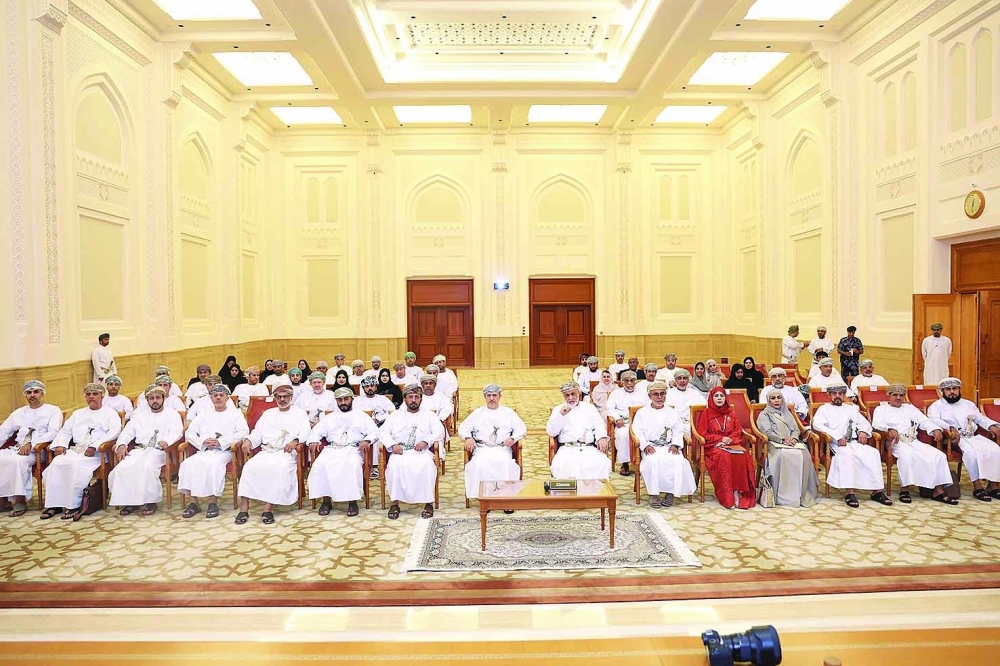
Internally, Oman is characterised by cultural diversity and social harmony. The Omani people, through generations, have embraced tolerance as part of their identity. It is reflected not only in state policies and legal frameworks but in daily interactions and shared celebrations — particularly during religious and national occasions. Omanis welcome residents and visitors with respect and warmth, and society views tolerance not as an obligation, but as a core principle of coexistence.
The country’s openness to investment, tourism, and education has reinforced this spirit. The rights of residents are upheld by both the law and the people. Participation in cultural and religious events, such as those during Ramadhan and Eid, reveals a society shaped by shared humanity and mutual respect.
A recent report by the National Centre for Statistics and Information (NCSI) on tolerance in Oman offered encouraging data.
According to the 2025 survey, 90.9 per cent of expatriates believe that Omani society is tolerant towards them, a slight increase from 90.7 per cent in 2024. Furthermore, 95.6 per cent reported no experience of discrimination — up from 93.6 per cent the previous year.
The sense of acceptance despite cultural differences was affirmed by 90.4 per cent, and 86.7 per cent felt free to express their views on everyday matters. These figures reflect a society that not only preaches tolerance but lives it.
What makes these findings significant is not just the high percentages but what they represent: a national ethos rooted in understanding and openness. Even amid global challenges and technological transformations, Omani society has used digital platforms to promote these values rather than undermine them. This growing awareness, especially among the youth, signals a readiness to carry forward Oman’s message of peace and respectful dialogue.
Such surveys do more than measure attitudes — they speak to the transparency of the Omani state and its progress towards the goals of Oman Vision 2040. If Oman is to be 'a globally recognised society for understanding, coexistence, and peace,' then nurturing the highest levels of tolerance is not just a target — it is a duty.
In Oman, tolerance is not a trend — it is heritage. Passed from generation to generation, it guided Omanis across seas and continents. It shaped the country’s early diplomacy and continues to inform its development.
As Oman evolves, it remains anchored in principles shaped by a peaceful faith, inclusive thought, and a united society. Tolerance, here, is not a slogan but a foundation — one on which a sustainable and harmonious future is being built.
Translated by Badr al Dhafari
The original version of this article was published in the print edition of Oman Arabic newspaper on April 6.
Oman Observer is now on the WhatsApp channel. Click here