




MUSCAT, APRIL 7
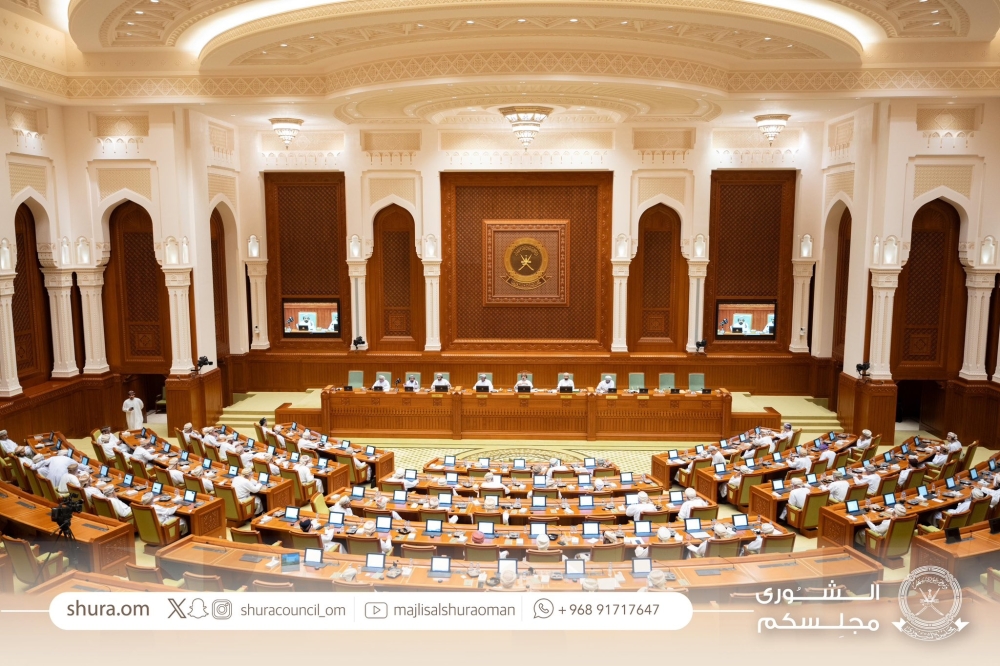
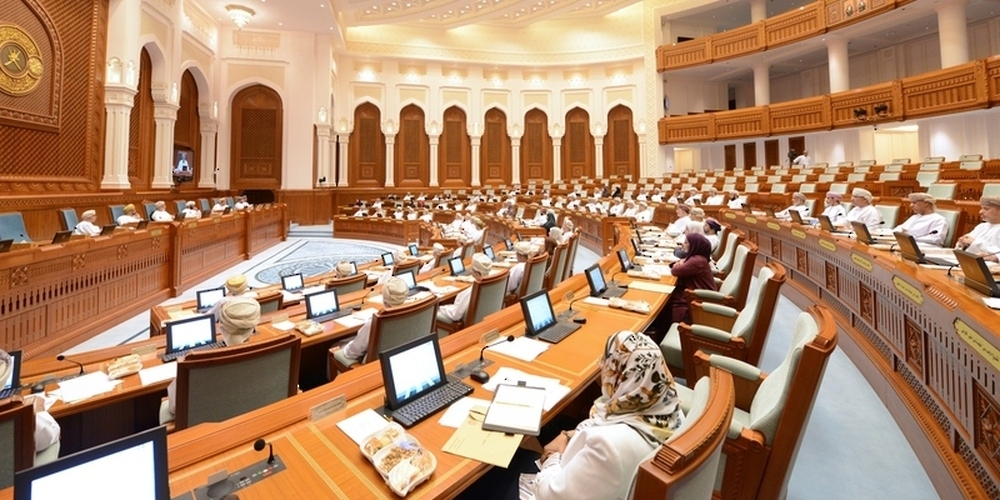
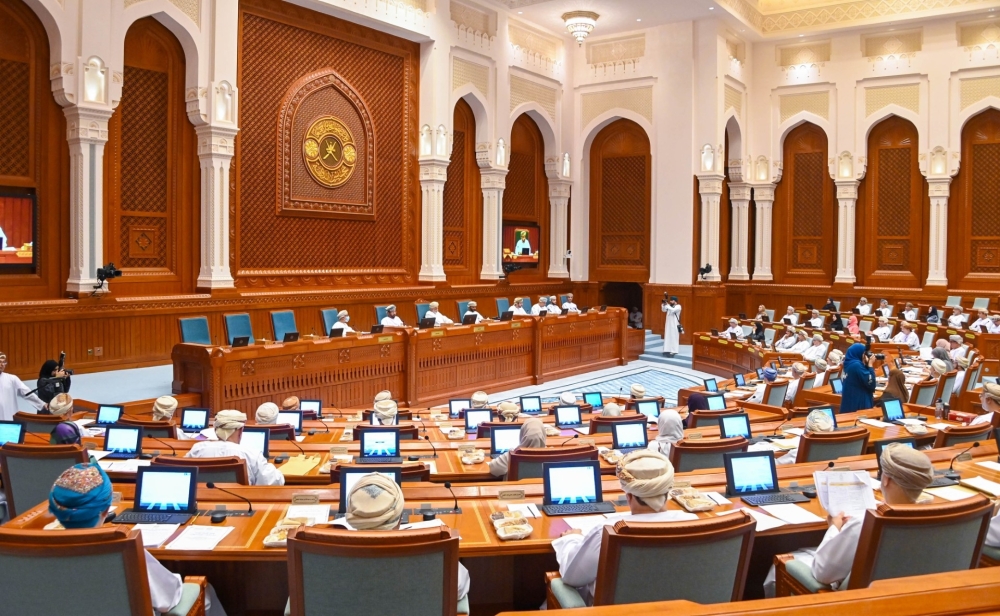
The State Council held its sixth session of the second regular session of the eighth term on Monday. The State Council reviewed three significant draft laws, namely, the Anti-Human Trafficking Law, the Real Estate Regulation Law, and the Communications and Information Technology Law, all referred by the Council of Ministers. Additional discussions on various topics related to the Council's work were also held.
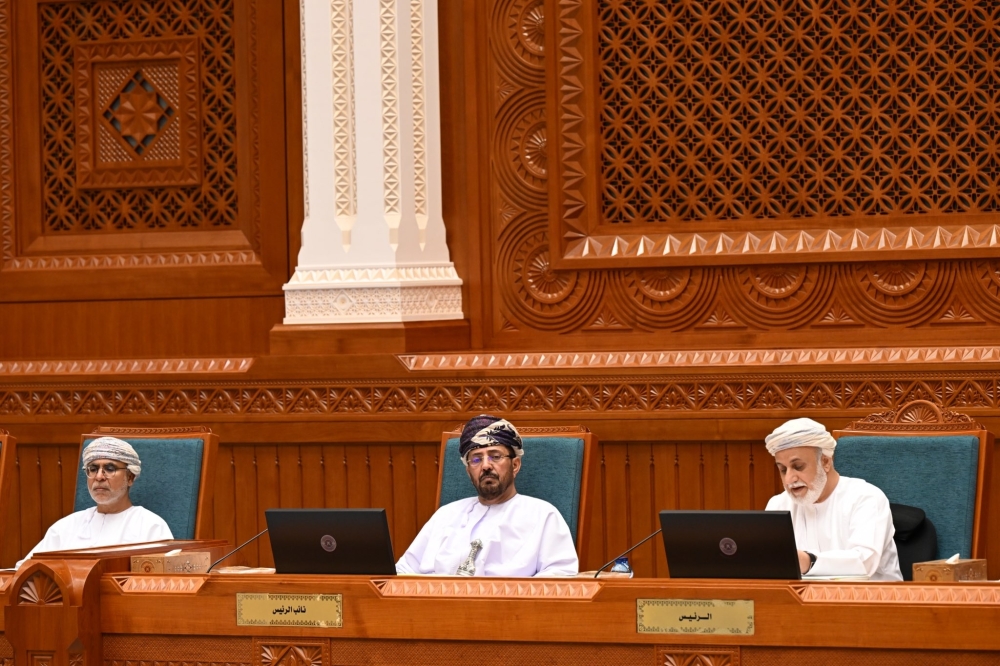
Shaikh Abdulmalik bin Abdullah al Khalili, Chairman of the State Council, opened the session with an overview of the agenda, urging committees to expedite their studies and proposals to ensure timely discussion of the draft laws before the end of the current annual session.
The draft Anti-Human Trafficking Law seeks to enhance protections for victims and improve prosecution processes. Dr Mohammed bin Sulaiman al Rashdi, Vice-Chairman of the Legal Committee, emphasised Oman’s proactive stance in human rights, noting the country's long-standing commitment to combating trafficking, including its 2008 law and its membership in the Arab Convention to Combat Trafficking in Persons since 2015.
The Communications and Information Technology Law aims to keep pace with rapid global advancements in these sectors.
Eng Azza bint Sulaiman al Ismailiyah highlighted the importance of localising emerging technologies, including AI, and enhancing digital infrastructure. A key provision of the law is the creation of a unified licensing unit, streamlining the process for issuing licences.
The Real Estate Regulation Law focuses on creating a cohesive legal framework for the sector, addressing the growing need for clear regulations in light of increasing investments.
Eng Nahla bint Abdulwahab al Hamdiyah noted that this law will boost investment opportunities, particularly with upcoming projects like the Sultan Haitham City. The session also included a review of the General Secretariat's report on the Council’s activities.
Shaikh Sultan bin Matar al Azizi, Chairman of the Legal Committee, explained that the draft law on anti-human trafficking updates and improves the current law issued by Royal Decree No. 126/2008. This update is based on practical application in combating human trafficking crimes, as well as regional and international experiences in this field. The goal is to enhance protection for victims of human trafficking and streamline the work of law enforcement agencies in prosecuting related cases. It also aligns with relevant international agreements and conventions that the Sultanate of Oman has acceded to or ratified.
The session then delved into the Economic and Financial Committee's viewpoint on the draft real estate regulation law. Dr. Dhafer bin Awad al Shanfari, Chairman of the Economic and Financial Committee, highlighted in the committee's statement that real estate development plays a crucial role in achieving economic and social progress. It is considered a key sector that supports economic growth. The application of sustainability principles demonstrates the impact of real estate development on various sectors such as tourism, trade, construction, financial services, logistics, and others. This, in turn, boosts the entire economy, attracts foreign investment, and diversifies government revenue sources related to this sector's activities.
Subsequently, the session addressed the Technology and Innovation Committee's perspective on the draft law regulating communications and information technology. Dr Hamad bin Salem al Rawahi, Chairman of the Committee, explained in his statement that this law aims to modernize the legislative framework concerning technical aspects. It also clarifies the roles assigned to the Ministry of Transport, Communications, and Information Technology in setting policies and strategic plans, as well as overseeing the sector's development. Additionally, the Telecommunications Regulatory Authority's role as a regulatory body for the communications and information technology sector is emphasized. The Communications and Information Technology Regulatory Law strives to establish a supportive legislative environment that meets the sector's future requirements and addresses the interests of all stakeholders, including the government, beneficiaries, and service providers.
Oman Observer is now on the WhatsApp channel. Click here