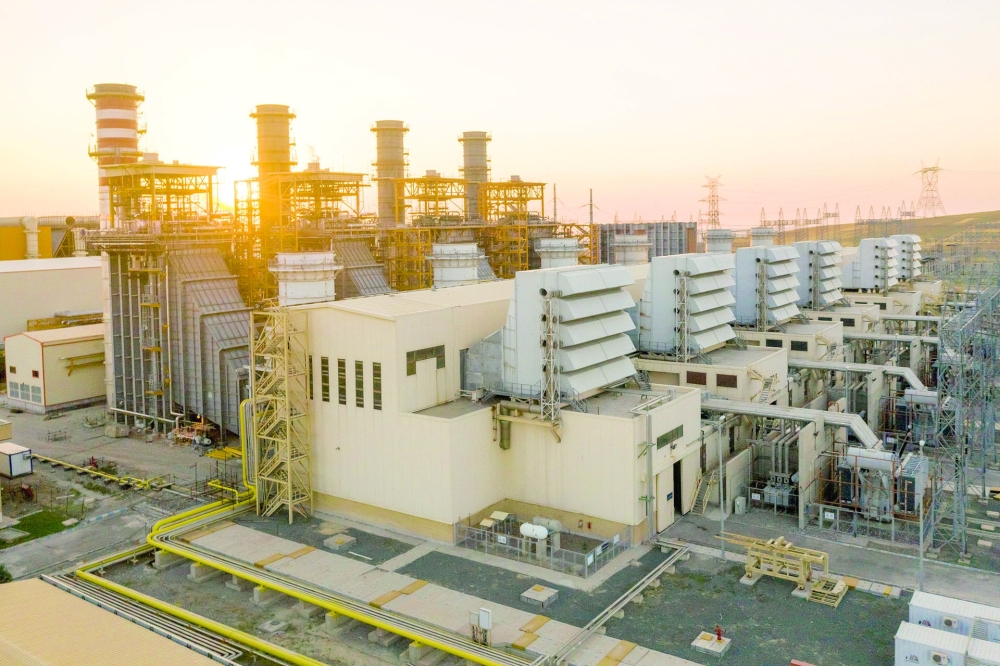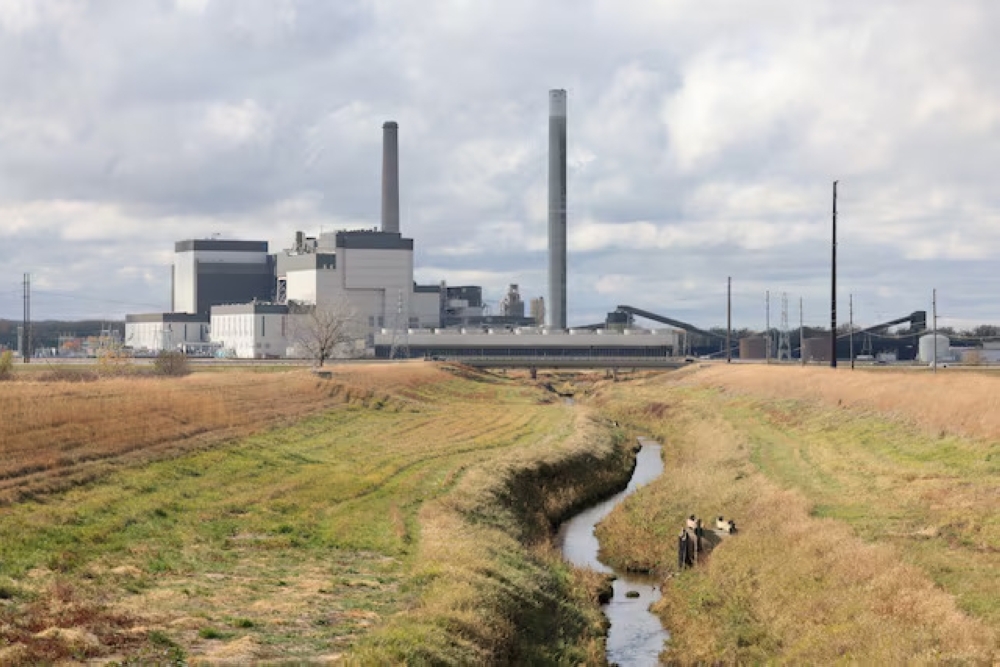





NEW YORK: US electric utilities are fielding massive requests for new power capacity as Big Tech scours the country for viable locations for new data centers, driven by the compute demands of AI.
A Reuters survey of 13 major US electric utility earnings transcripts found nearly half have received inquiries from data center companies for volumes of power that would exceed their peak demand or existing generation capacity.
The power industry is struggling with a question that will determine the course of billions of dollars in investment: how to meet the demand? Utilities have announced billions of additional dollars in capital spending already this year, with some doubling their five-year investment plans.
If utilities underestimate the demand, they risk an unstable electrical grid with a higher chance of blackouts for their customers. If they overbuild, consumer rate-payers could end up with the tab.
Complicating matters, tech companies are approaching multiple power utility providers within the same state, or across several states, seeking multiple bids for the same project, inflating power demand outlooks.
In one example, Sempra said that its Texas power utility subsidiary, Oncor Electric, which serves the Dallas area, has received requests to connect an additional 119 gigawatts, nearly four times the peak electricity use on its system. PPL said it had more than 50 GW of data center requests, including at least 9 GW in advanced stages of development, which is higher than its current generation capacity of 7.2 GW.
Oncor said it only includes data centers in its spending plan once it has signed agreements with the developer or operator and secured collateral in the form of a letter of credit, an affiliate guarantee, or cash.
A PPL spokesperson said the company only authorizes spending on a particular project with an agreement in place.
In utility Evergy's territory in Kansas and Missouri, the pipeline of additional demand driven by data centers has nearly doubled to more than 11 GW by late 2024.
States are beginning to take notice. Pennsylvania is considering creating a "clearinghouse" for data center power requests, a representative from the Pennsylvania governor's office said.
Big Tech may also decide to abandon projects, which take years to come to fruition, due to inflation, rising interest rates, and scarce land. In 2024, the cost for building a megawatt was nearly $12 million, according to industry sources. But costs to build out data centers have risen sharply since then.
Growing capital costs, which may be intensified by tariffs on materials such as steel imposed by US President Donald Trump, may also limit the amount utilities will be able to build to meet demand, said Barclays' analyst Nick Campanella.
"There is risk of overbuild," he said.
In addition to rising costs, there are also signs the needs of next-generation AI applications may be changing. New AI models like DeepSeek promise to require less compute, and therefore potentially far less electricity, by requiring a small fraction of the chips that are currently being deployed in data centers.
TD Cowen analysts in recent weeks said Microsoft — among the world's top spenders on AI data centers — had pulled back from projects representing 2 GW of electricity in the US and Europe in the last six months.— Reuters
Oman Observer is now on the WhatsApp channel. Click here