7 Apr 2025 The global trade landscape is undergoing a significant transformation, shaped in part by the United States' shift towards "reciprocal tariffs." This evolving environment presents both challenges and opportunities, and the Sultanate of Oman is strategically positioned to potentially benefit, particularly within its expanding manufacturing sector. This transformation signals a fundamental reshaping of the world's economic framework, creating both challenges and opportunities for Oman.
Historically, major exporters to the United States, including China, Vietnam, and European Union member states, have enjoyed substantial access to the US market. However, the imposition of new tariffs has altered the competitive landscape. These countries face increased duties on a range of their goods, incentivizing manufacturers to seek alternative production locations to maintain cost-effectiveness and access to the US market. Oman, with its strategic geographical location, growing industrial capabilities, and a vital Free Trade Agreement (FTA) with the United States, is well-placed to potentially attract these businesses.
Oman's FTA with the US is a cornerstone of its competitive advantage, providing preferential access to the US market, including eligibility for US government RFQs. The FTA eliminates or significantly reduces tariffs and trade barriers on a wide range of goods and services, providing Omani manufacturers with a substantial edge, especially compared to companies operating in countries now burdened by increased tariffs. This agreement has spurred increased bilateral trade between the two nations, and this is set to grow. In the years following the FTA's implementation, trade in goods between the US and Oman increased, reaching over $3 billion by 2019 and an estimated $3.5 billion. Crucially, the duty-free or reduced-duty access to the US market for Omani-made goods, as stipulated under the FTA, removes a major cost obstacle and positions Oman as an attractive sourcing location for US businesses.
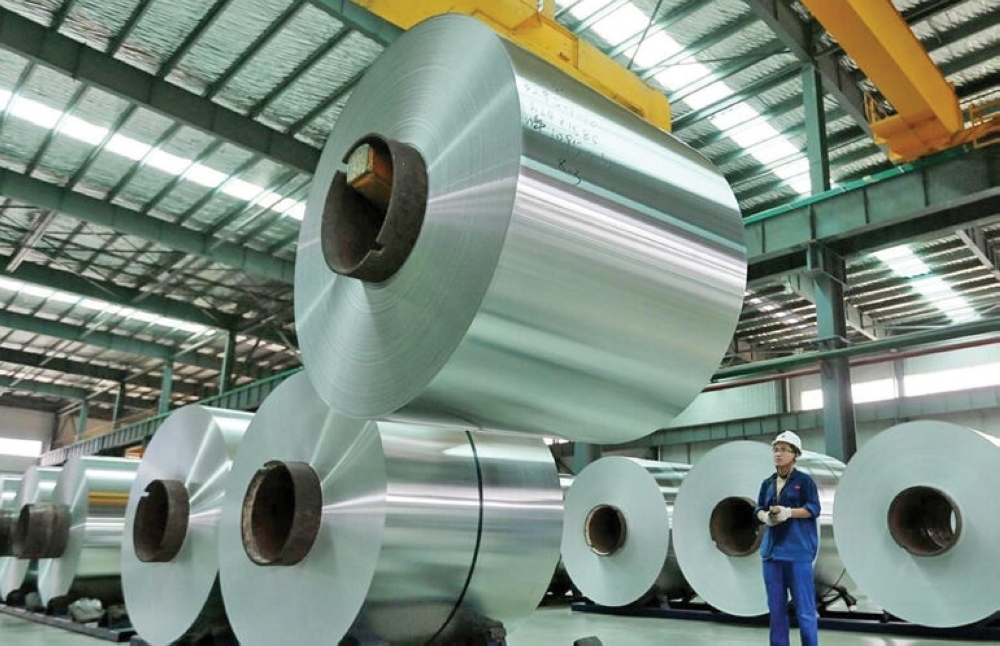
However, this landscape also presents challenges. Oman faces potential impacts from new tariffs. It's important to note that while some goods are affected by reciprocal tariffs, others are exempt, including articles under 50 USC 1702(b), steel and aluminum products, automobiles, and auto parts already covered by Section 232 tariffs, copper, pharmaceuticals, semiconductors, and lumber, goods that may be subject to future Section 232 actions, bullion, and energy and specific critical minerals not found in the US.
Omani steel and aluminum exports to the US have existing tariffs that remain unchanged, and no additional reciprocal tariffs will be applied unless a future determination is made. These existing tariffs, along with potential new tariffs, raise concerns, potentially undermining Oman's appeal as an investment hub with US market access. There are also broader economic concerns; speculation about a potential US recession raises the possibility of a double impact, with a weaker U.S. economy affecting both the USD and the Omani Rial, potentially hindering fiscal progress and impacting energy prices.
Oman's manufacturing sector is vital to the nation's economic diversification goals, a key tenet of Oman Vision 2040. The sector's growth contributes significantly to Oman's GDP and attracts foreign direct investment, aligning with the Vision 2040 objectives to reduce reliance on hydrocarbon revenues and develop a knowledge-based economy. The manufacturing landscape in Oman is diverse, encompassing industries like plastics, aluminum, petrochemicals, and construction materials, with a growing emphasis on technology and innovation.
The long-term relationship between Oman and the US, strengthened by the FTA, provides a foundation for navigating these challenges and opportunities. The FTA has demonstrably fostered increased trade and investment flows, with the US now experiencing a trade surplus in goods with Oman. This evolving trade dynamic necessitates a proactive approach to ensure a balanced distribution of benefits and to identify areas for further cooperation.
Oman's readiness to capitalize on global trade changes is strongly supported by several key factors. The nation's strategic proximity to key global markets, coupled with its stable and business-friendly environment, provides a solid foundation for growth. Furthermore, Oman's expanding logistics infrastructure enhances its capacity to facilitate trade and the movement of goods efficiently. This opportunity lies in Oman's potential to expand trade relations with partners affected by US tariffs, enhance foreign investment within its borders, strengthen supply chains originating from countries negatively impacted by high US tariffs, and leverage its strategic location to serve as a crucial transit and launch point for accessing the US market.
To fully realize these opportunities and ensure the optimal flow of goods for Omani businesses, investments, and trade, a number of strategic actions are important. Oman should prioritize the implementation of a targeted investment promotion campaign designed to attract companies seeking alternative production locations. Simultaneously, the development of specialized industrial zones, coupled with the provision of tailored incentive packages and investments in workforce training, is crucial. Oman must also place a high priority on ensuring compliance with the US-Oman FTA's "country of origin" rules to maximize trade benefits and facilitate seamless trade operations. Furthermore, continued dialogue and collaboration with the US are essential to effectively address challenges, optimize the existing FTA framework, and explore new avenues for cooperation, particularly in high-growth sectors such as technology and clean energy. Finally, diversifying export markets and proactively strengthening trade relationships with other dynamic regions, including ASEAN, India, Africa, and the EU, will be essential to enhance resilience and reduce dependence on any single market.
In conclusion, the evolving global trade landscape presents both challenges and opportunities for Oman. By strategically leveraging its strengths, proactively addressing challenges, and fostering strong trade relationships, aligned with the objectives of Oman Vision 2040, Oman can navigate these shifts effectively, promote economic growth, and solidify its position as a key player in global trade and investment.
Oman Observer is now on the WhatsApp channel. Click here