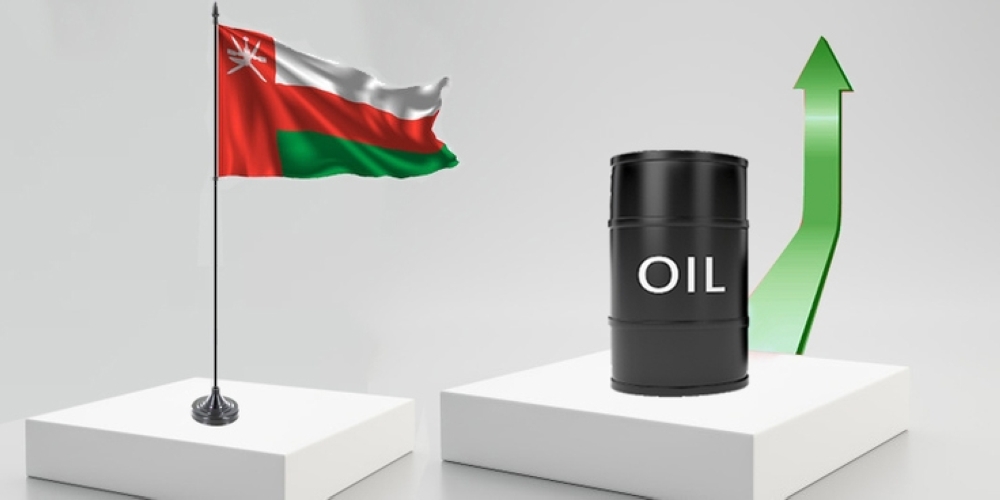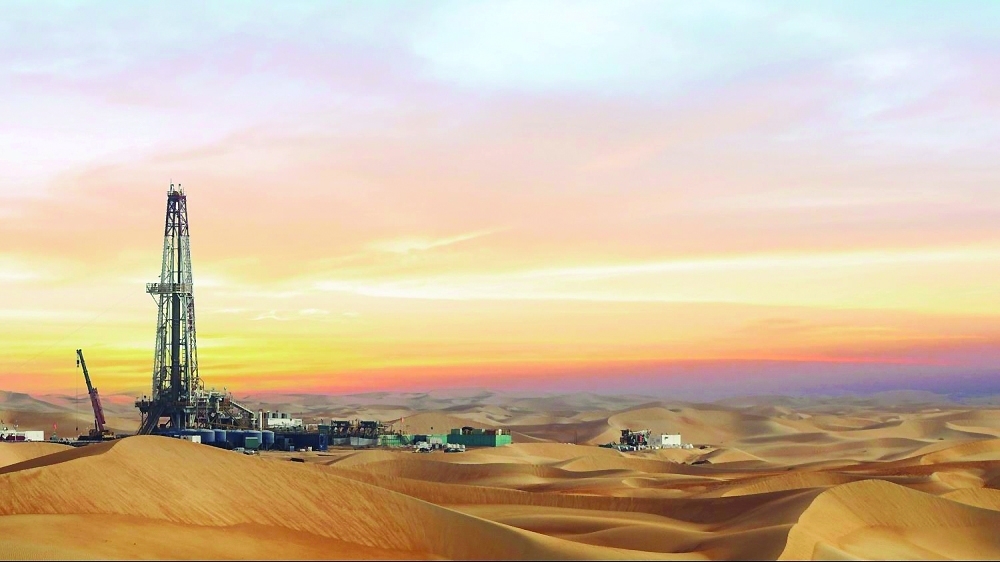





MUSCAT: Despite global oil prices averaging around $69 per barrel, Oman is expected to maintain a budget surplus in 2025 — a notable shift from 2018, when the same price level resulted in a deficit of RO 2.6 billion. The stark contrast, according to a regional economic expert, underscores the success of Oman’s fiscal reforms and the country’s evolving economic resilience.
“Back in 2018, $69 oil was a fiscal stress test. Today, it’s a break-even point with surplus potential,” the expert said, highlighting how improved budget planning and debt management have reshaped Oman’s public finances.
In recent years, Oman has enacted a series of financial and structural reforms aimed at reducing its reliance on hydrocarbon revenues. These include the introduction of Value Added Tax (VAT), streamlining public spending, and rationalizing subsidies. As a result, the country has significantly improved its debt profile and lowered its dependency on borrowing to fund fiscal operations.
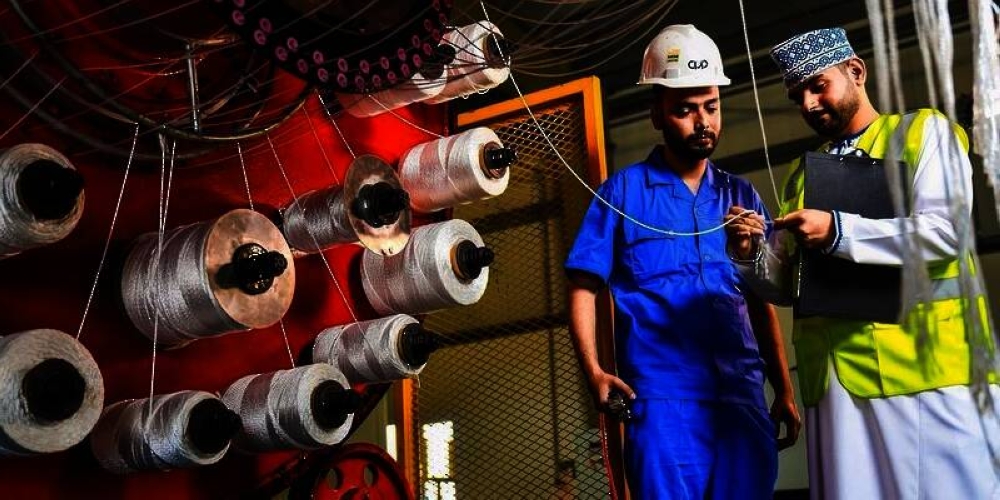
The expert explained that Oman’s previous budget vulnerabilities were largely driven by rising debt-servicing costs, which consumed a substantial portion of government expenditure. “When a large share of national spending goes to interest payments, there is little room left to support economic growth through investment,” he noted. “This makes diversification difficult — not because of policy gaps, but because of financial constraints.” With a more sustainable fiscal foundation in place, Oman is now positioned to invest more strategically in non-oil sectors such as logistics, manufacturing, tourism, and green energy — all central to the country’s Vision 2040 goals. The shift also enhances Oman’s ability to attract foreign direct investment (FDI), as fiscal stability remains a key factor for international investors assessing regional opportunities.
Among the key outcomes of these reforms are reduced public debt servicing requirements, the emergence of new and diversified financing instruments, and a clearer roadmap for economic diversification outlined in the 10th Five-Year Development Plan. These measures are already bearing fruit, with higher non-oil sector activity reported and increasing engagement from private and foreign investors.
“The transformation is gradual, but it’s real,” the expert added. “We’re now seeing a more selective and strategic approach to public investment, guided by long-term priorities rather than short-term fiscal pressures.”
Looking ahead, Oman’s ability to sustain its surplus position even under moderate oil price scenarios could reinforce market confidence and provide further room for growth-oriented policy measures. More importantly, it signals a critical shift away from reactive budgeting — often tied to oil price volatility — toward a more disciplined and forward-looking fiscal framework.
If current trends hold, analysts believe Oman may emerge as a regional case study on how oil-producing economies can transition toward more balanced and diversified growth without compromising fiscal stability.
Oman Observer is now on the WhatsApp channel. Click here