




SAGAING, Myanmar: Desperate Myanmar earthquake survivors pleaded for more aid on Wednesday as the death toll rose and calls grew for the junta to halt attacks on rebels as the country battles the crisis.
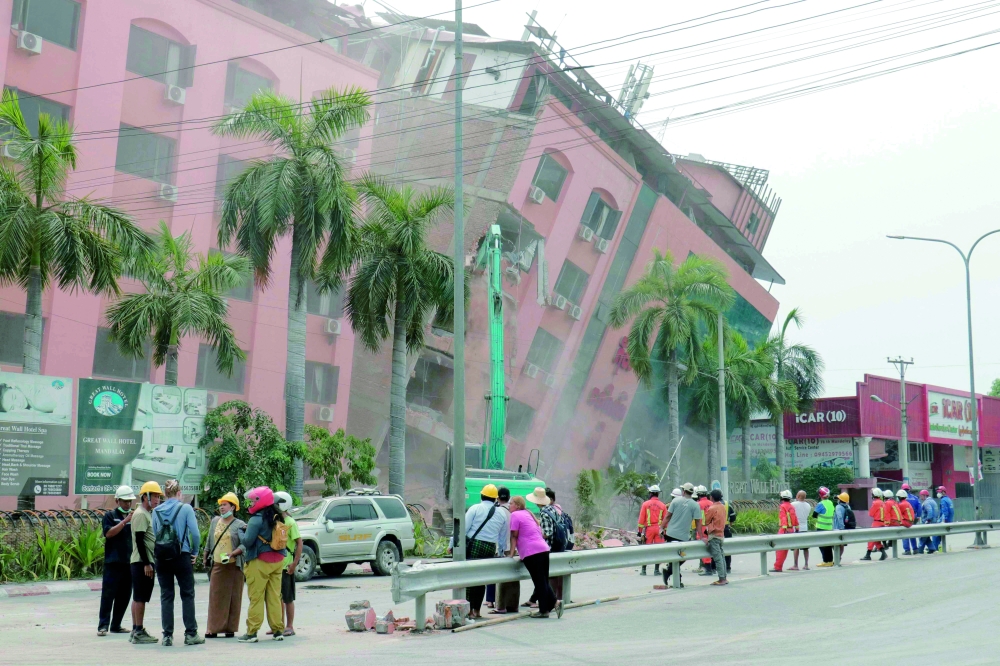
The shallow 7.7-magnitude earthquake on Friday flattened buildings across Myanmar, killing more than 2,800 people and making thousands more homeless.
Several leading armed groups fighting the government have suspended hostilities during the quake recovery, but junta chief Min Aung Hlaing said military operations would continue -- despite international criticism of multiple reported air strikes.
UN agencies, rights groups and foreign governments have urged all sides in Myanmar's civil war to stop fighting and focus on helping those affected by the quake, the biggest to hit the country in decades.
AFP journalists saw chaotic scenes as at least 200 desperate people lined up for aid distribution in Sagaing, the city closest to the epicentre of the quake, some running through traffic to join the queues.
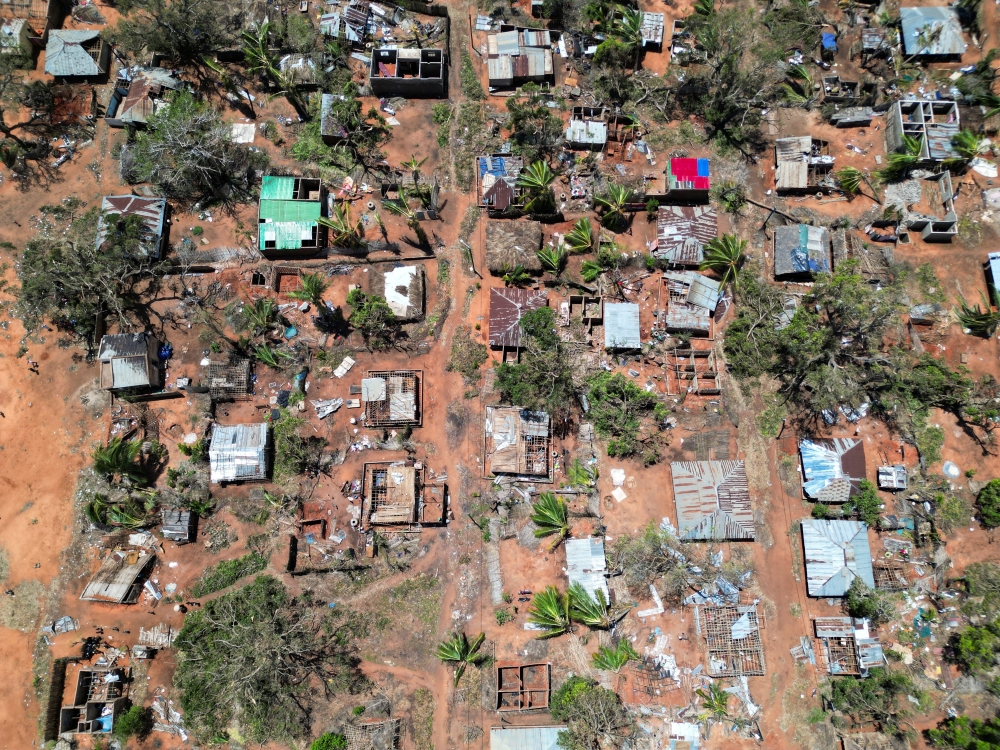
Destruction in the city is widespread, with the World Health Organization (WHO) reporting that one in three houses have collapsed, and five days after the quake locals complained of a lack of help.
"Of course, we don't have enough," said Ayethi Kar, 63, head of a school for young nuns razed to the ground by the tremors.
"Now we eat donated food and water but we sleep on the ground."
Healthcare facilities, damaged by the quake and with limited capacity, are "overwhelmed by a large number of patients", while supplies of food, water and medicine are running low, WHO said in its latest update, issued on Tuesday.
Hopes of finding more survivors are fading, but there were moments of joy on Wednesday as two men were pulled alive from the ruins of a hotel in the capital Naypyidaw.
The junta said on Wednesday that the death toll had risen to 2,886, with more than 4,600 injured and 373 still missing.
But with patchy communication and infrastructure delaying efforts to gather information and deliver aid, the full scale of the disaster has yet to become clear, and the toll is likely to rise.
Relief groups say the overall quake response has been hindered by continued fighting between the junta and the complex patchwork of armed groups opposed to its rule, which began after the military seized power in a 2021 coup.
Julie Bishop, the UN special envoy on Myanmar, called on all sides to "focus their efforts on the protection of civilians, including aid workers, and the delivery of life-saving assistance".
Even before Friday's earthquake, 3.5 million people were displaced by the fighting, many of them at risk of hunger, according to the United Nations.
Late on Tuesday, an alliance of three of Myanmar's most powerful ethnic minority armed groups announced a one-month pause in hostilities to support humanitarian efforts in response to the quake. — AFP
Oman Observer is now on the WhatsApp channel. Click here