




In China, Islamic culture has thrived and woven itself into the rich tapestry of Chinese society for over 1,300 years since its introduction.
Today, more than 20 million Muslims from various ethnic groups reside in regions like the Xinjiang Uygur Autonomous Region and beyond. For Muslims, Ramadhan stands as the most sacred, auspicious, and joyous month of the year.
Chinese Muslims, mirroring their counterparts around the world, engage in the purification of body and soul, observe fasting and prayers, perform acts of kindness, and embrace the traditions of solidarity, cooperation, friendship, and mutual support.
At the culmination of 30 days of fasting, Eid al-Fitr is celebrated with great enthusiasm by various Muslim ethnic groups, including the Uygurs, Hui, Kazakhs, Uzbeks, Tajiks, Tatars, Kyrgyz, Sala, Dongxiang, and Bonan. This festive occasion sees friends and families coming together in joyous celebration.
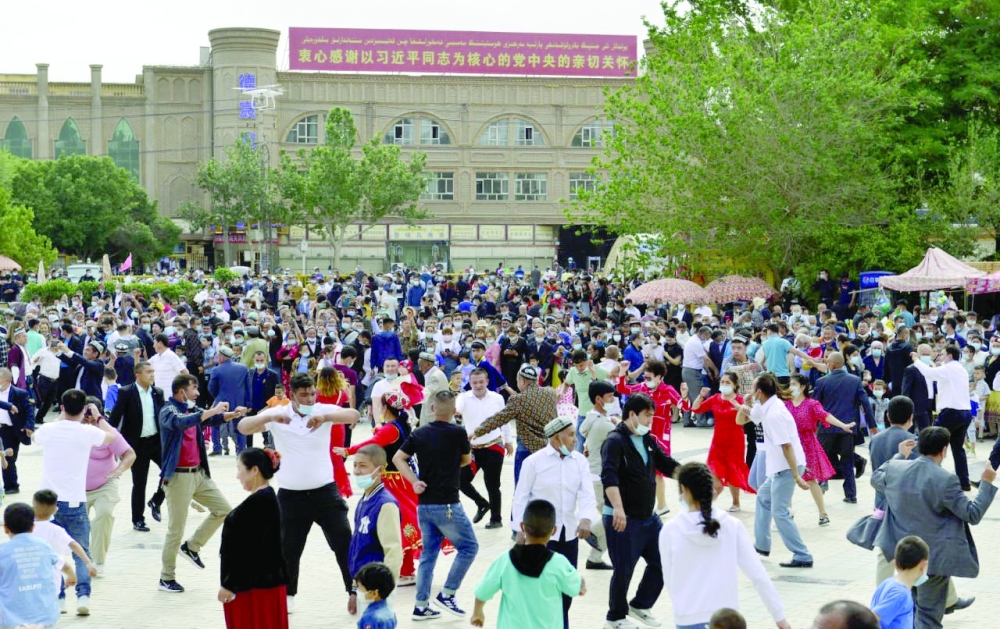
Nestled along the historic Silk Road, Xinjiang serves as a meeting point for Eastern and Western civilisations, playing a pivotal role in the introduction of Islam to China. This vibrant region has long been home to diverse ethnic communities, fostering a rich interplay of cultures and the coexistence of various religions. The Yanghang Mosque in Urumqi often sees Chinese Muslims congregating in worship, while the square in front of the Id Kah Mosque serves as a lively gathering place, embodying the essence of harmony in Xinjiang.
Omani tourists, as well as local residents, have frequently visited Xinjiang to partake in Ramadhan celebrations with the local Muslim community, immersing themselves in the distinctive customs of Chinese Ramadhan.
The age-old tradition that marks the beginning of Ramadhan is the search for the crescent moon on the first evening after sunset, signalling the start of the monthly fast. In Xinjiang, Ningxia, and other areas with sizable ethnic populations, Eid al-Fitr is recognised as a public holiday.
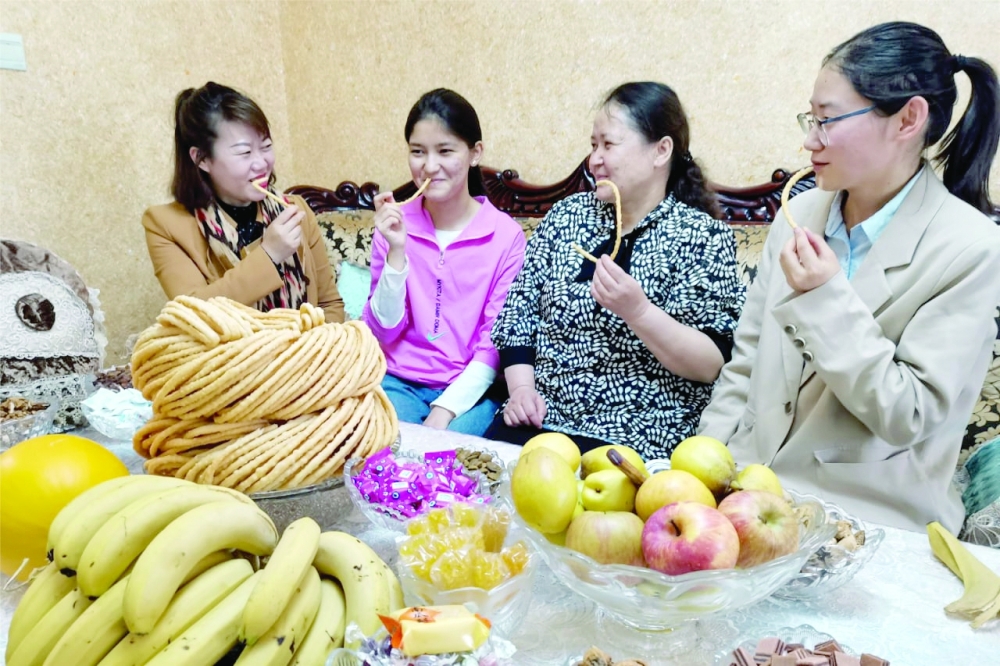
As the month of fasting concludes, the Fajr prayer on Eid al-Fitr becomes the largest gathering of its kind throughout the year. Families prepare an array of traditional dishes that showcase their unique ethnic flavours, including fried Sanzi, fried Youxiang (both flour-based), and boiled jam. The celebration often includes the slaughter of sheep and chickens, the crafting of Liangfen (a traditional Chinese dish made of starch jelly), and hearty vegetable stews. Homes overflow with festive delicacies, generously shared with relatives, friends, and neighbours, as the air fills with music, laughter, and joyous dancing.
In China, fasting among Muslims is a commonplace religious observance, grounded in personal choice, legislatively protected and widely respected within society. During Ramadhan, the Chinese government takes measures to ensure food hygiene and alleviate traffic congestion, fostering a smooth observance of the month while promoting national unity and social harmony.
Both Chinese and Islamic civilisations embrace the values of moderation, peace, and kindness. As a unique convergence of these two significant cultural traditions, Xinjiang's history, culture, and local customs invite exploration and appreciation. It is hoped that more friends from Oman will visit Xinjiang to admire its breathtaking snow-capped mountains and desert landscapes, savour the delights of its unique culinary offerings, and experience the warmth of its friendly, harmonious inhabitants.
Oman Observer is now on the WhatsApp channel. Click here