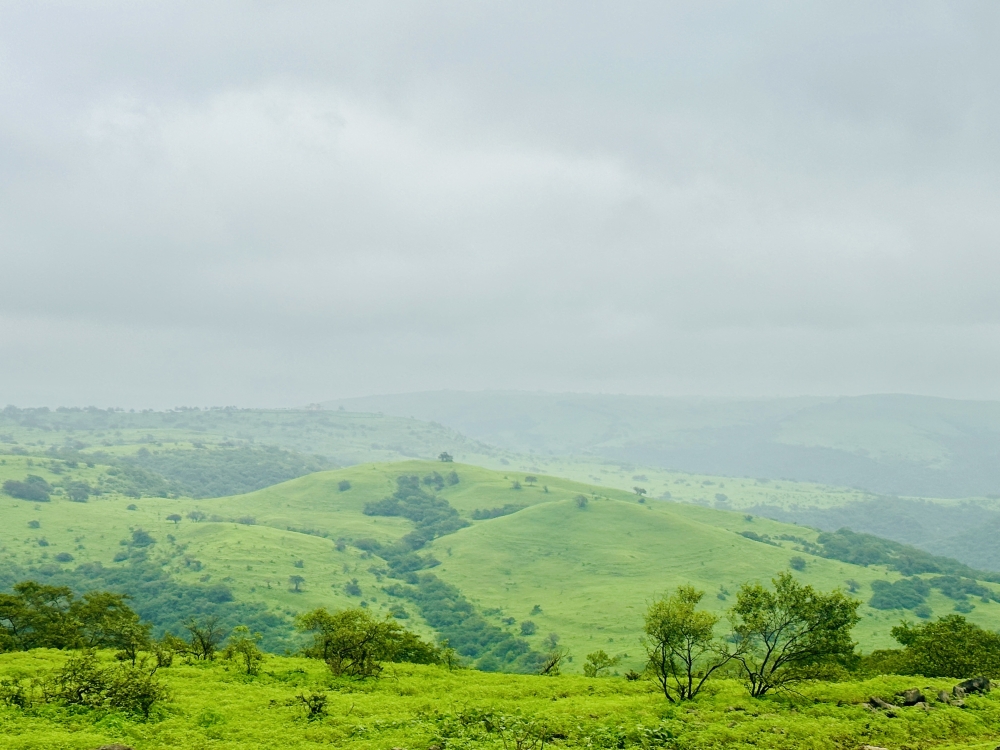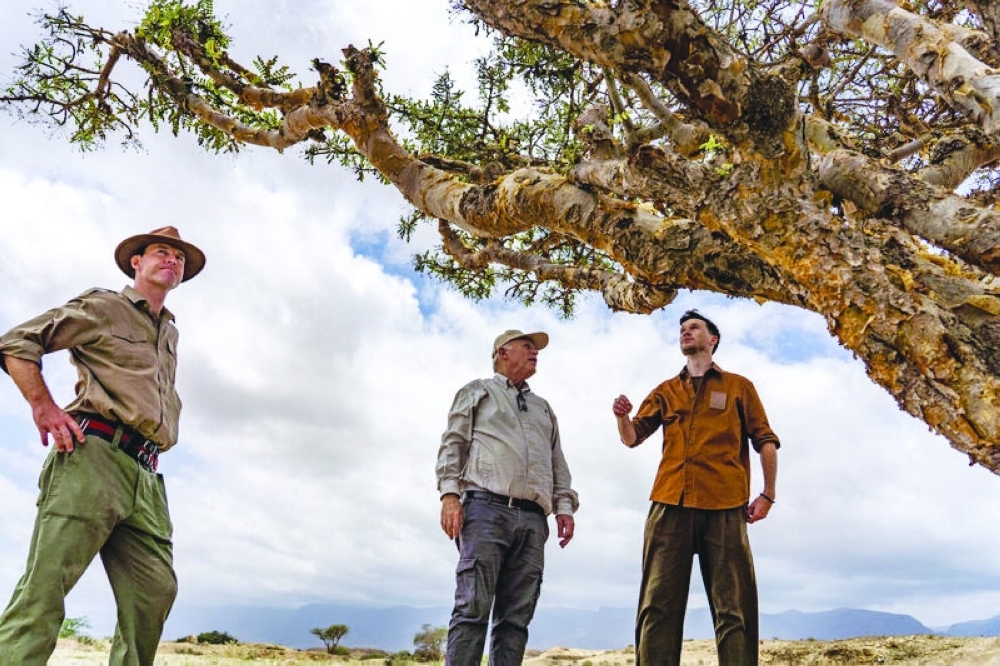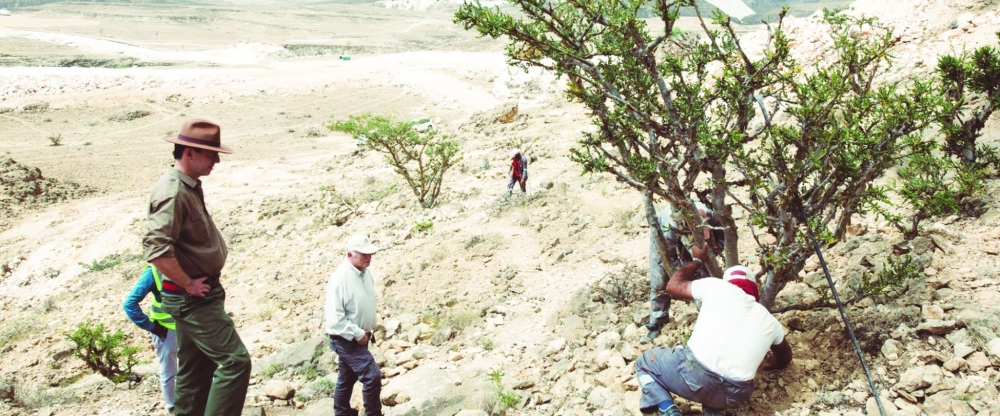





The frankincense trees have flourished in Wadi Dawkah, located in Dhofar, southern Oman, for thousands of years, with their relationship to humanity tracing back to antiquity. However, many secrets remain to be uncovered to truly understand, nurture, and preserve these remarkable trees.
The establishment of the Wadi Dawkah Scientific Advisory Council represents a pivotal mechanism in support of Amouage’s ambition to transform the site into a global reference for the sustainable, ethical, and transparent sourcing of natural ingredients for perfumery. This council is dedicated to taking concrete, purposeful actions grounded in scientific research conducted by highly specialized partners, ensuring that all efforts are informed by expert knowledge and rigorous methodologies.
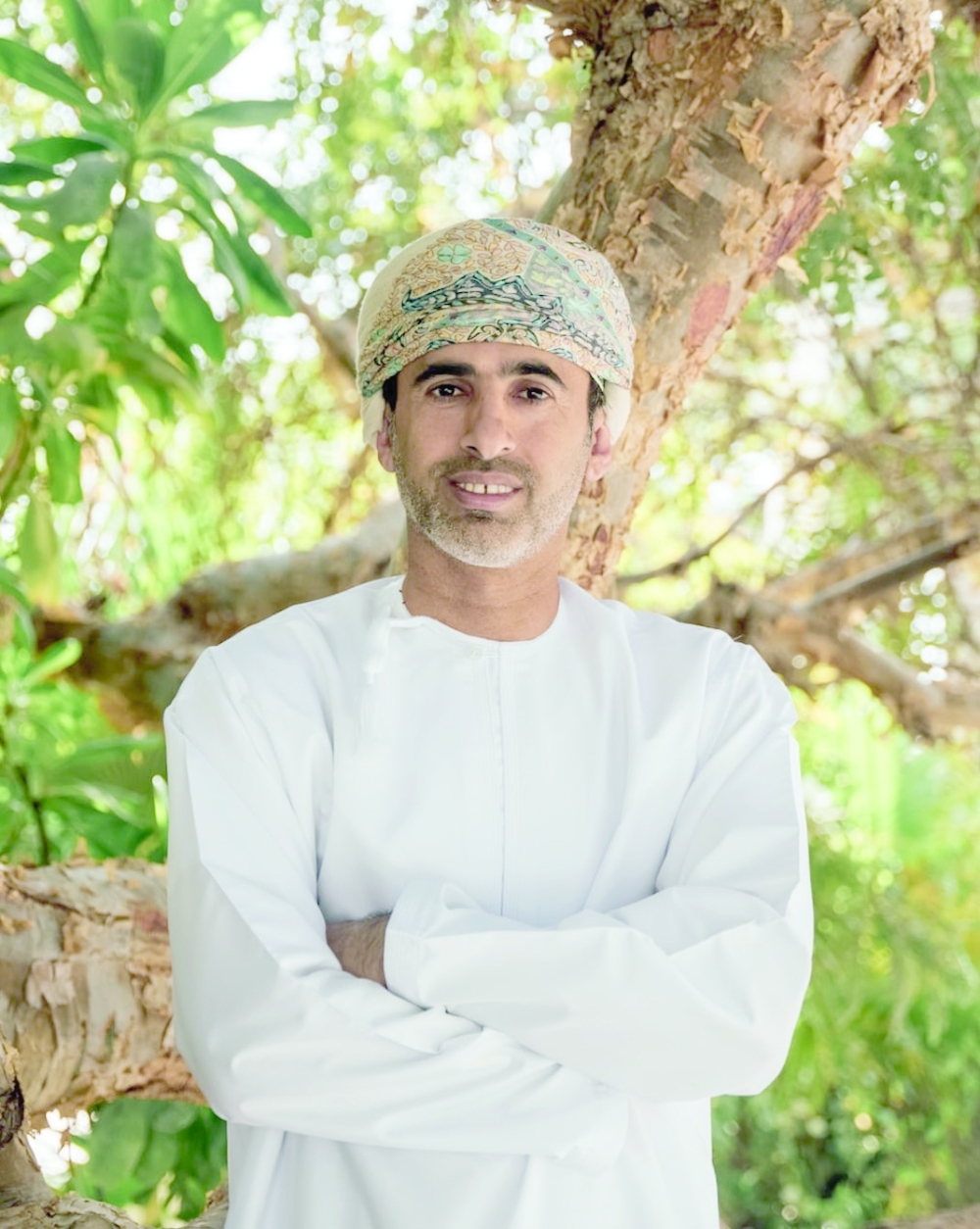
The Scientific Advisory Council brings together a distinguished group of international specialists alongside leading Omani experts. The council is composed of Dr. Khalid Al Farsi, a Horticulture Expert from the Oman Botanic Garden; Suaad Al Harthi, Executive Director at the Environment Society of Oman; Dr. Laila Al Harthy, a Botany Expert; and Thomas Andro, Vice-President of Responsible Sourcing at DSM-Firmenich.
The role of the Council is to ensure scientific rigor, involving a series of meticulous baseline studies not only related to the frankincense tree itself but also to the environment in which it thrives. The results of these analyses will enable the establishment of guidelines for day-to-day practices: understanding the current environment in all its aspects is essential for determining the best course of action for the preservation and future development of Wadi Dawkah.
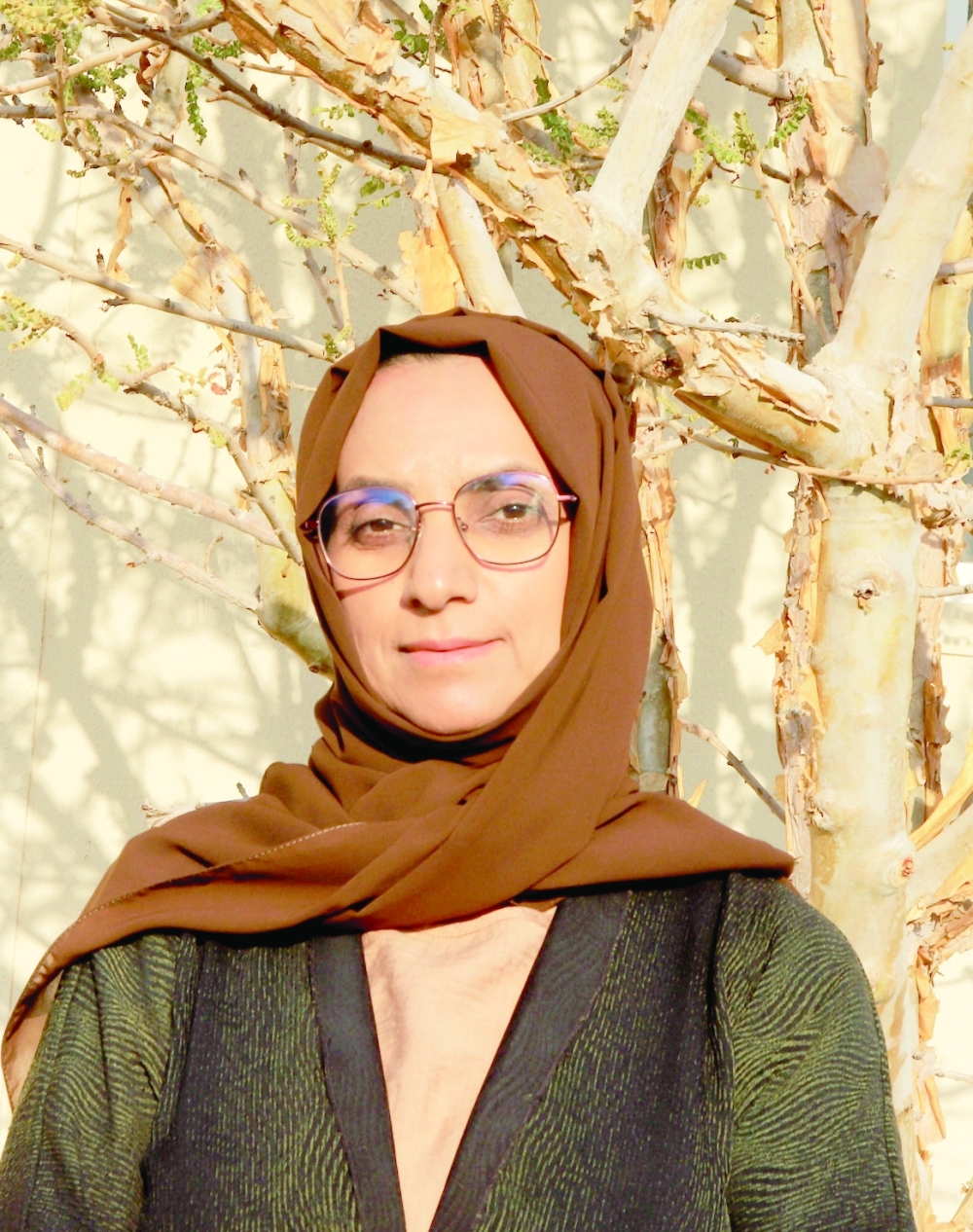
Since becoming custodians of the site, Amouage has demonstrated continuous efforts towards the ethical and transparent development of Wadi Dawkah. This includes ongoing monitoring, data collection through a dedicated database and application, the employment of a growing local workforce, external inspections conducted through a network of partnerships, and the signing of a Memorandum of Cooperation with the Environment Society of Oman in 2024.
The establishment of the Wadi Dawkah Scientific Advisory Council brings scientific rigour and a structured framework to these efforts through comprehensive documentation and research. It enables a deeper understanding of the Wadi Dawkah environment and the identification of strategies that can be effectively implemented in daily operations. For Amouage, this provides an external challenge to enhance stewardship of the site significantly and demonstrates a firm commitment to the sustainable development of the Wadi Dawkah UNESCO World Heritage Site.

Historic Sanctuary
Wadi Dawkah is home to the world’s largest protected Boswellia sacra forest. This historic sanctuary, inscribed as a UNESCO World Heritage Site in 2000, serves not only as a reservoir of biodiversity but also as a critical line of defence in the effort to protect the revered frankincense tree. With over 5,000 frankincense trees flourishing across 3,500 acres, Wadi Dawkah is where the journey of this precious resin begins—one steeped in ancient tradition and cultural significance.
Historically, the use of frankincense dates back millennia, its aromatic smoke woven into the fabric of religious rituals and funerary rites. Frankincense was believed to carry human prayers to the divine, and its resin, used in embalming practices, linked the living to the realms beyond. The Dhofar region has been instrumental in the incense trade since antiquity, as evidenced by archaeological sites such as Khor Rori, Shisr, and Al-Baleed, which dot the ancient Incense Route.
Today, Wadi Dawkah stands at a crucial intersection of tradition and modernity. Under the guidance of Matthew Wright, the head of Wadi Dawkah, an international team collaborates with local Omani experts to ensure that these ancient practices are preserved and revitalised. Wright’s deep connection to the region, amplified by years of experience living in Salalah and studying Arabic, positions him as an ideal steward of this remarkable site. He is committed to leading initiatives that will establish a thriving frankincense industry while simultaneously fostering respect and sustainability.
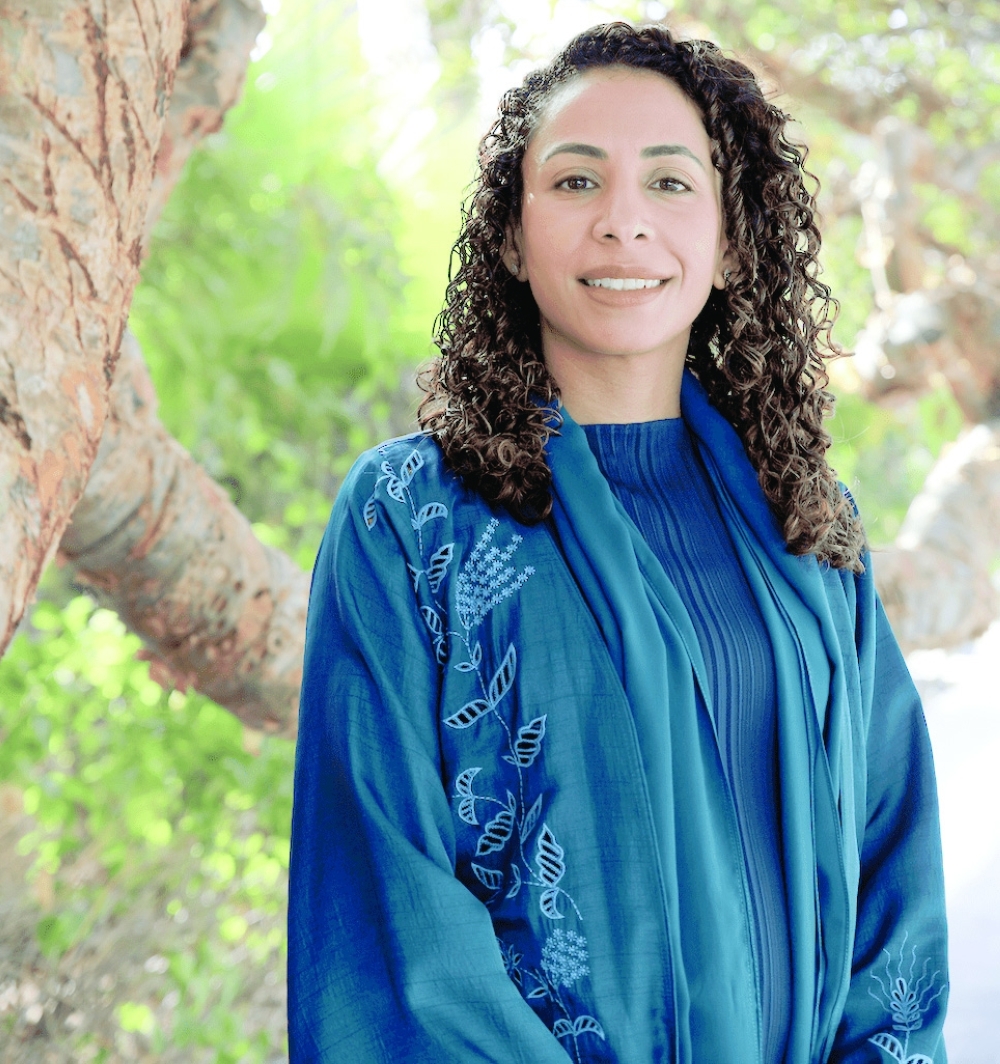
Listening to the echoes of the past, Mohammed Istanbooli leads the team responsible for caring for and nurturing the frankincense trees. A native of Salalah, Istanbooli’s bond with the land and its trees runs deep. He supervises the delicate process of resin harvesting, ensuring that each tree is treated with the utmost care, embodying a philosophy that intertwines ecological consciousness with cultural heritage.
Although the frankincense trees of Wadi Dawkah are treasures of the land, they face environmental threats and pressures from overharvesting. It is within this context that the Wadi Dawkah project emerges as a lifeline for not only the trees but also the communities that rely on them. Ghanem Jaddad, whose family has been entwined with the region's frankincense for generations, plays a crucial role in linking Omani skills and communal knowledge to broader sustainability efforts. His life embodies the continuity of tradition, as he works alongside a dedicated team to safeguard this natural heritage for future generations.
The initiative extends beyond the preservation of trees; it encompasses the local community as well. Employment opportunities for residents of Thumrait and other nearby towns are created, revitalising age-old practices and ensuring that the artisan techniques of harvesting and processing frankincense continue to thrive. This harmonious approach not only benefits the local population but also contributes significantly to the sustainable management of this unique ecosystem, helping to sustain an ancient cultural legacy in a modern world.
The Scientific Advisory Council is an essential expansion of these efforts, ensuring the ongoing success of the site's preservation. By integrating scientific research with traditional knowledge, the council aims to establish best practices that will foster resilience in Wadi Dawkah's environment against climate change and other external pressures. This collaboration is paramount, as it blends the wisdom of local communities with the rigour of scientific inquiry.
Oman Observer is now on the WhatsApp channel. Click here