Five years later, we still don’t know much about the mysterious virus that prompted global stay-at-home orders and shutdowns. Medical communities continue to work to find answers. Well over 7 million people have died because of Covid-19.
Covid-19 is still causing illness and death in 2025.
Even now, it is painful to reflect on the suffering, grief, anxiety, and everything else we went through because of Covid-19. Hundreds of thousands of individuals, like myself, have lost a family member or friend and we could not say goodbye or provide or receive comfort. We cried alone. Many of us mourned without being able to share our grief.
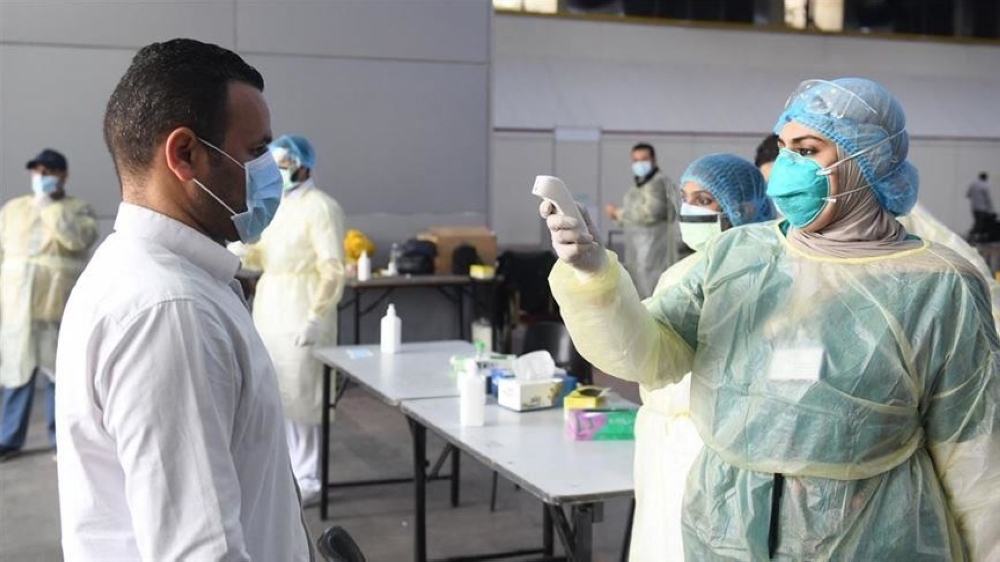
Within days of the World Health Organization officially declaring Covid-19 a global pandemic on March 11, 2020, meeting in person was a no-no. We all began to adapt to a new way of life: masking, social distancing and online meetings.
On March 18, 2020, when the world was already on high alert for the Covid-19, we were told classes would be suspended. A journalism student asked me, “Miss, what will happen?”. I recall saying, “We don’t know, but nothing will be the same ever again.” That last in-person journalism class was emotional. And nothing has been the same since!
During the pandemic, I have observed that the disease triggered different types of crises, exacerbated inequalities and led to wide-ranging social changes. Many of these changes brought out the best and the worst in people.
I can’t say the days of lockdowns and quarantines are a distant memory for me. The physical, mental and emotional effects persist in various ways for many. However, I no longer talk to the walls. The psychological experience of missing social interactions has taught me to appreciate and enjoy every opportunity.
The World Health Organization is continuing its efforts to understand the disease and has been asking China, where the outbreak began in Wuhan in December 2019, to share data on the origins of Covid-19. “This is a moral and scientific imperative. Without transparency, sharing and cooperation among countries, the world cannot adequately prevent and prepare for future epidemics and pandemics." There are people still dealing with long-term symptoms of Covid-19. Hospitalisation due to Covid or flu can have unintended consequences, especially for older adults.
Public healthcare is essential for everyone, and no community should be discriminated against. Unfortunately, the pandemic and its ramifications faded in the public and government authorities’ memories. Would this be due to an absence of personal narratives or follow-up stories? Each victim had a name and a story. They were not mere numbers.
During Covid-19, individuals working on the front lines of the epidemic, like as hospitals and medical centres, performed well. Amazing work done around the clock and with passion.
Are we better prepared for another pandemic? Diseases that were once considered eradicated are making a comeback. Would people face fewer restrictions? Given the current awareness, would vaccinations be mandatory again?
In the political scenario, the chaos and the circus in the global arena have since grown shamelessly. A new period of far-reaching values has surged. Four years ago, I wrote suggesting waiting for the post-pandemic to see how individuals would be responding to the new world order, which included changes in politics, the economy, business and education. People have become more cynical, or are no longer willing to hide their lack of sensibility.
Scientists and scientific information became contentious during the pandemic, with many questioning the benefits of particular recommendations and misleading information about the virus and vaccines. Recent rhetoric fosters conspiratorial thinking regarding science and health organisations. People’s lack of trust in science and health authorities is a significant issue for future health emergencies and disease outbreaks.
The writer is journalist, academic and researcher in media studies
Oman Observer is now on the WhatsApp channel. Click here