
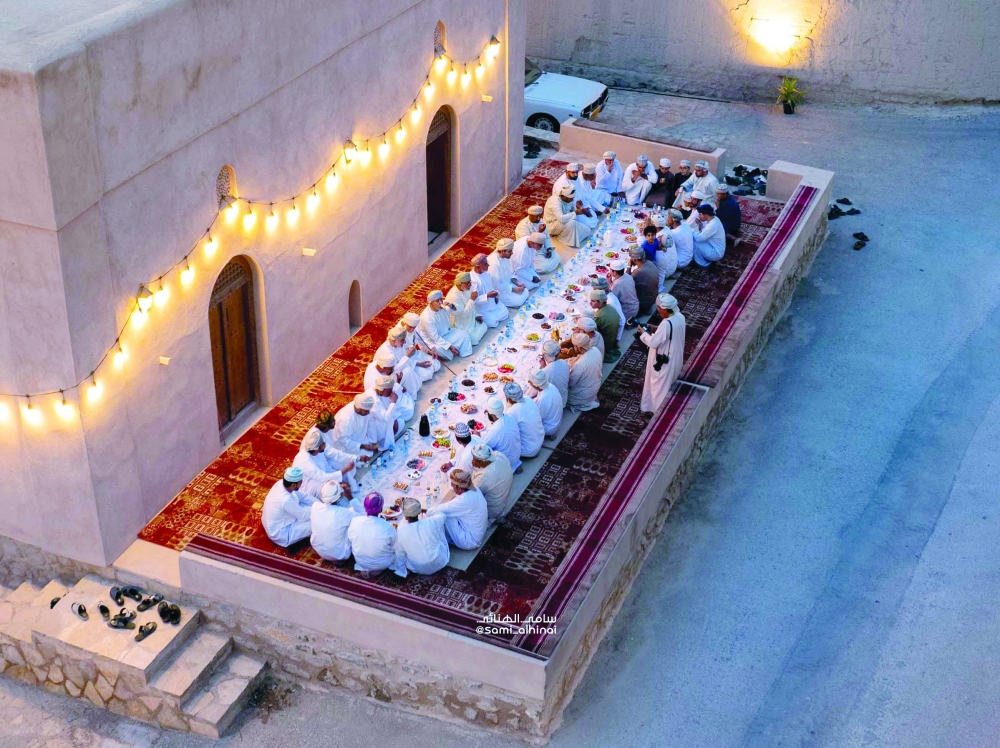





NIZWA: As the sun sets and the call to Maghrib prayer echoes through the air, people gather in mosques for Iftar. This deeply rooted tradition fosters a sense of unity and social cohesion. However, in recent years, this practice has gradually declined. Now, efforts to revive it are gaining momentum, restoring the mosque’s role as a central gathering place during the holy month.
Sultan bin Suleiman al Rawahi says, "The communal Iftar in mosques was supported by the mosque endowments and local donations. Some people would even donate their turn in irrigating their crops using the falaj, while others contributed from mosque endowments dedicated to Ramadhan feasts. Even if the prayer is over in a place other than his residence, he can break his fast in the nearest mosque."
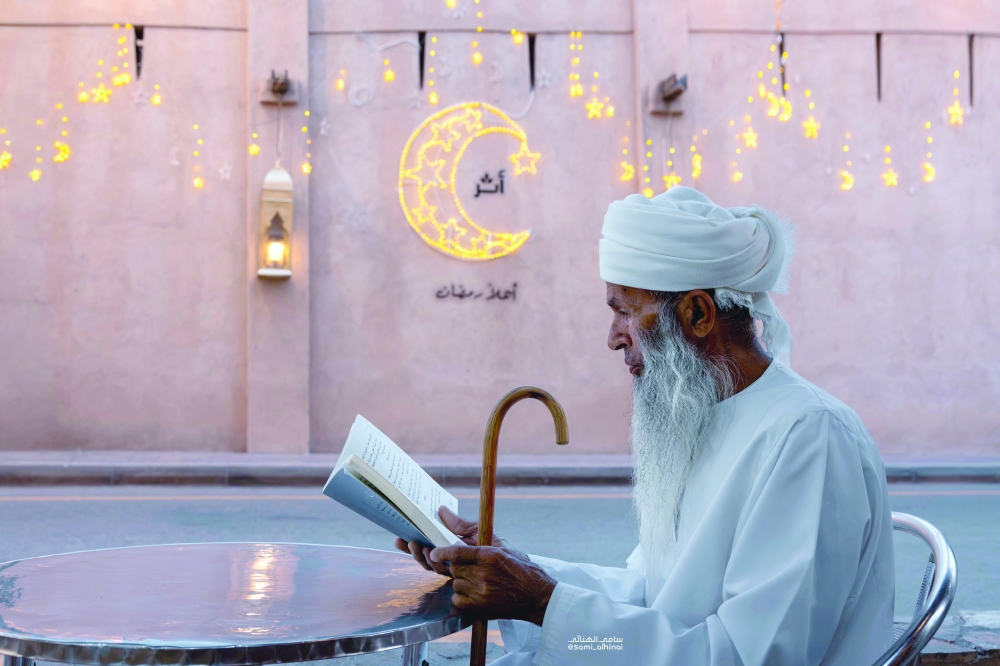
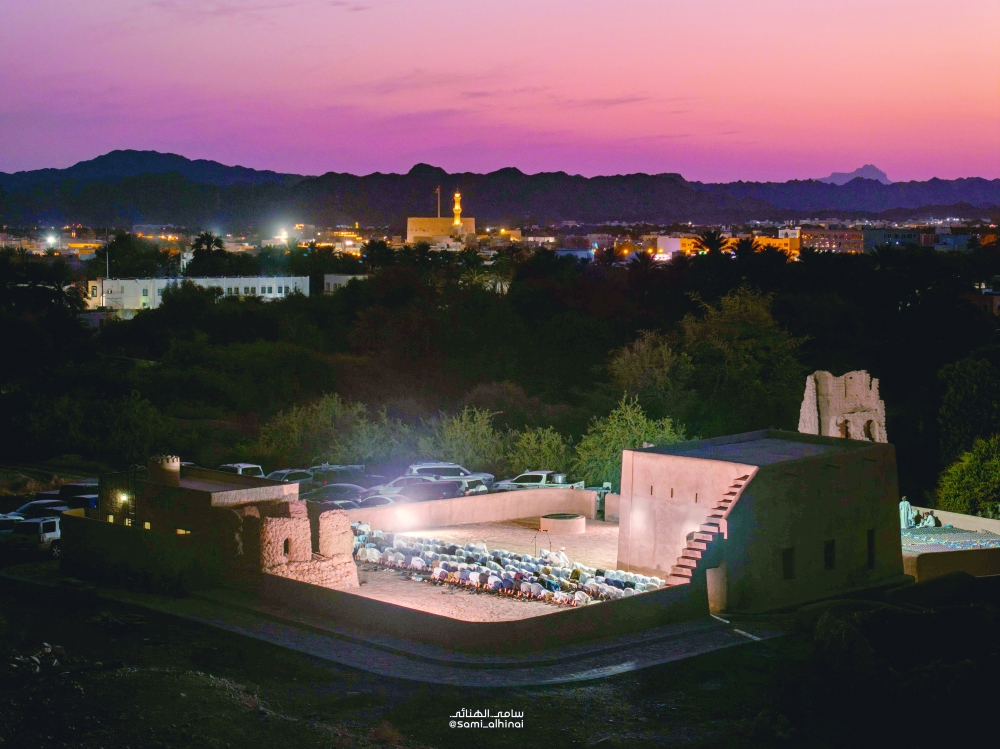
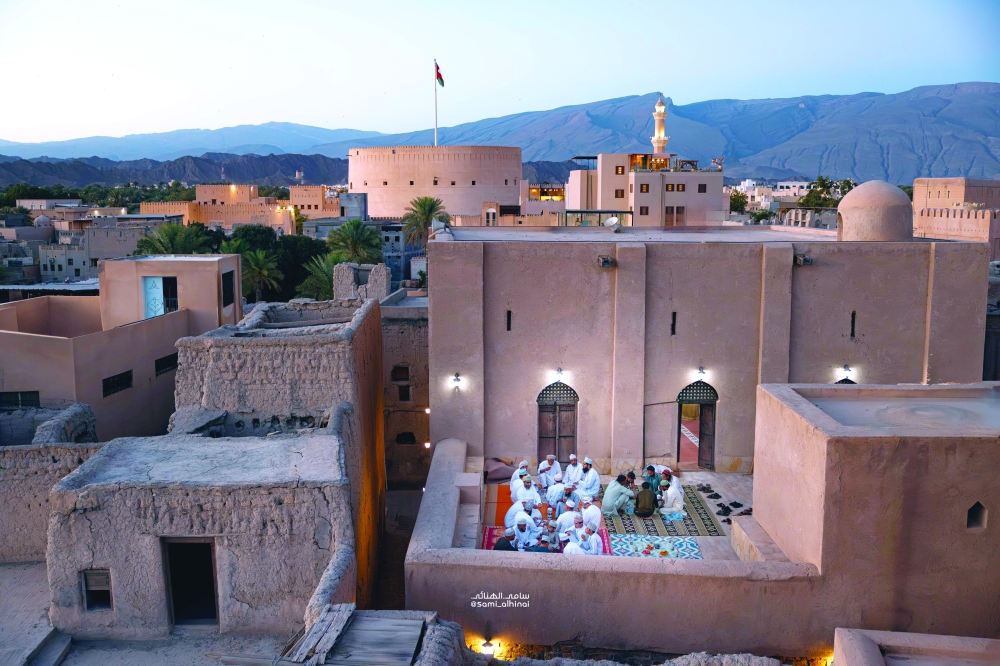
Ismail al Busafi said:" This gathering brings people together. There is also an Iftar for women. Previously, Iftar consisted of coffee and dates only, and after the Isha prayer, meat and other foods were served.
In the past, communal Iftar was more than just sharing a meal. It was an opportunity for neighbours to bond. People would bring whatever food they had like dates, water, and soup in an atmosphere filled with warmth and companionship.
Today, despite the decline of this tradition due to changes in lifestyles, some local communities and volunteer groups are organising communal Iftar to keep it alive. In several areas, residents have started organising communal Iftar gatherings in mosques, with families preparing and serving meals to worshippers, reviving the Ramadhan spirit of togetherness.
Among the group Iftars organised in Al Dakhiliyah were those in Al Aqur, Al Sharjah Mosque, Izki, the Al Ghafat village and Al Shirijah in Al Jabal Al Akhdhar. The Soual neighbourhood organised a group Iftar in the Al Obbad mosque, with more than fifty people attending.
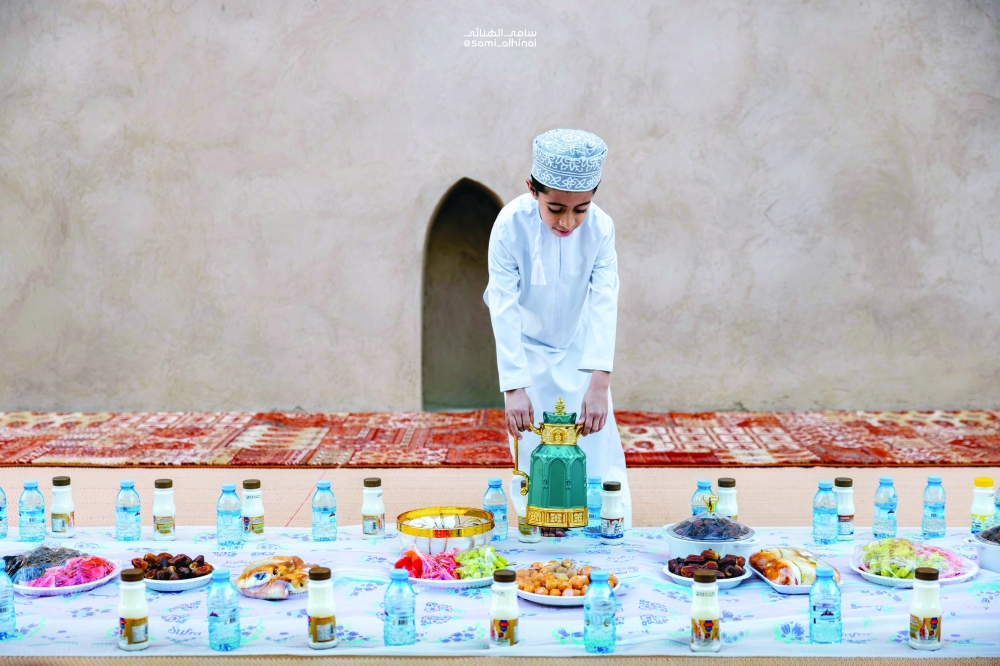
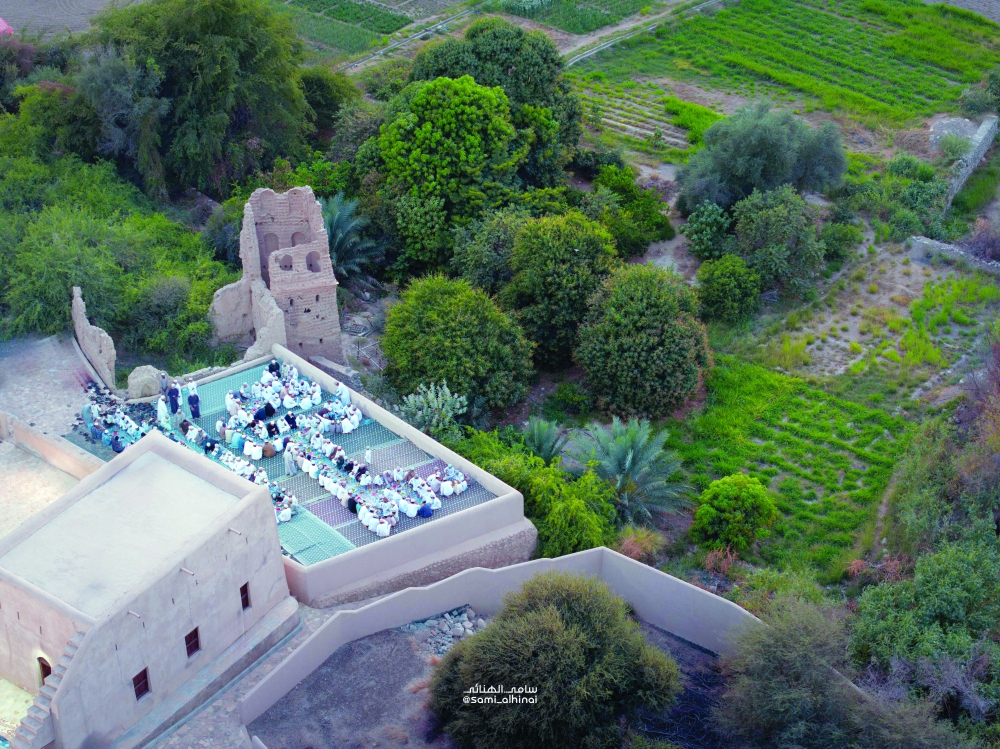
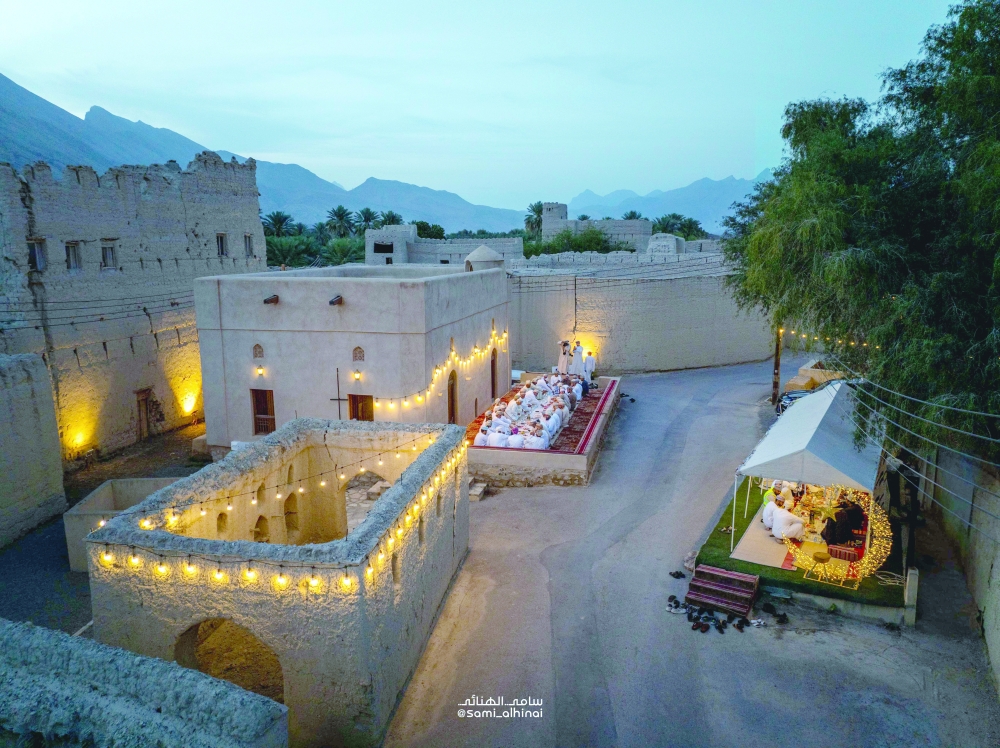
One of the reasons behind the decline of this practice is the modern pace of life, which has led many to prefer breaking their fast at home with their families. Additionally, some mosques saw an increasing number of non-fasting individuals, mainly non-Omanis, gathering for the free meals, which discouraged some locals from continuing the tradition.
One of the organisers of these renewed Iftar gatherings, Abdullatif al Hinai, emphasises the significance of these events, saying: "The communal Iftar in Al Ghafat is one of the most cherished traditions that the villagers have upheld for years. It is a time when everyone comes together in an atmosphere of warmth and cooperation, reinforcing the values of social solidarity and the Ramadhan spirit. The gathering is filled with a sense of unity among people of all ages, from the elderly to the young, as they break their fast in a joyful Ramadhan setting."
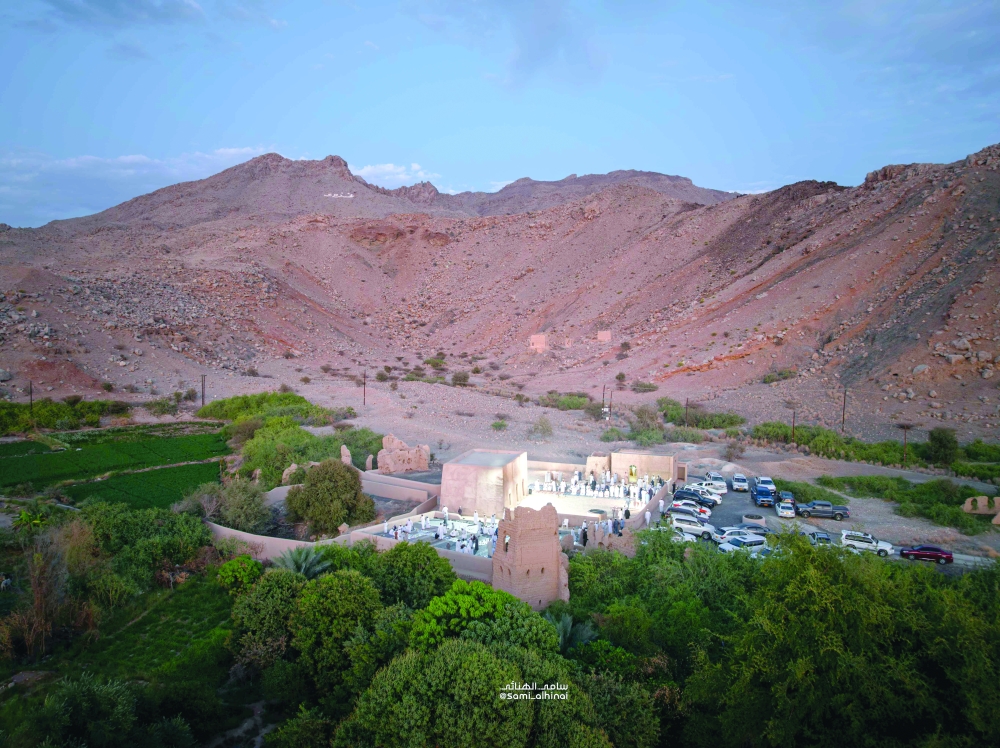
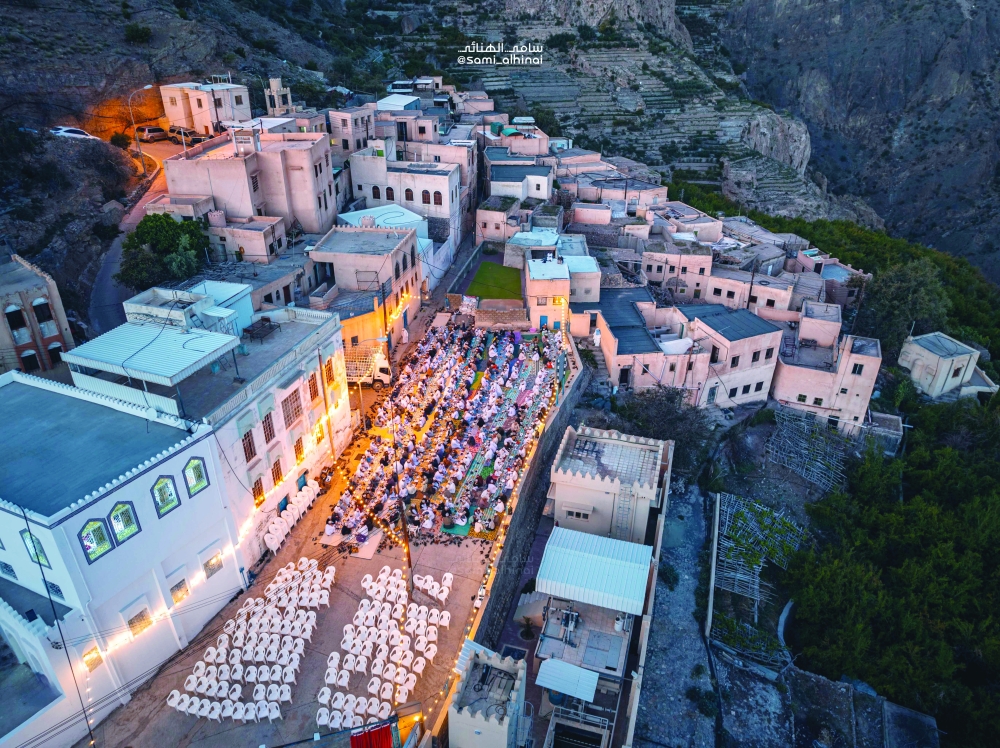
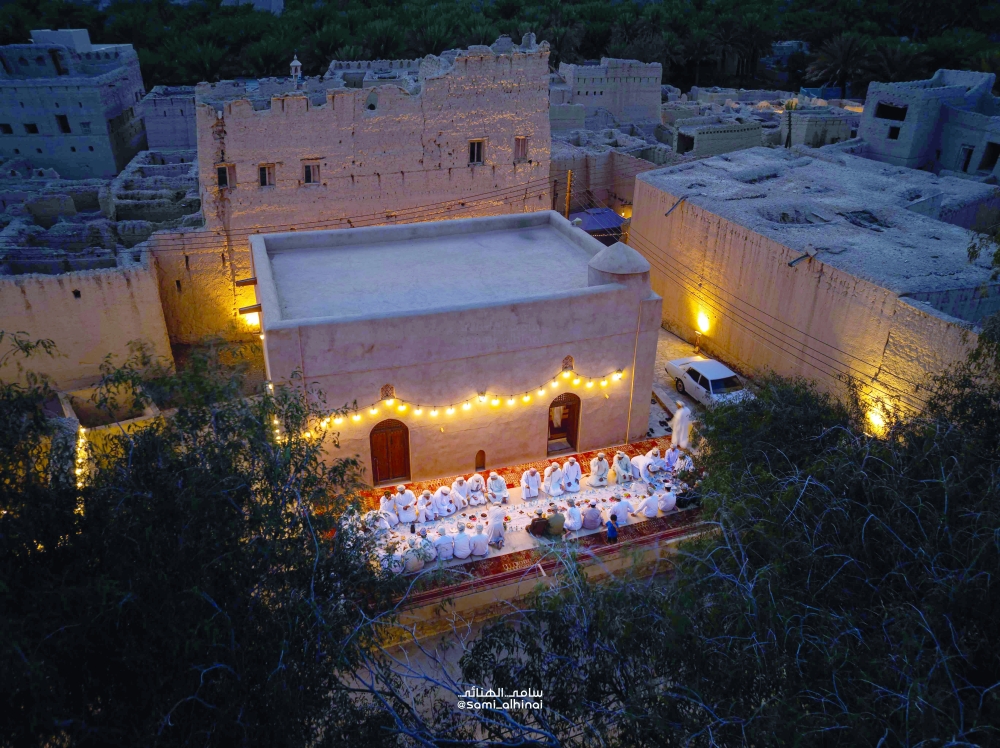
"This initiative serves as a model for teamwork and community collaboration, reflecting the noble objectives that both teams strive to achieve through their charitable and social initiatives," he added. In recent days, some mosques have witnessed youth-led initiatives to provide communal Iftar meals, supported by individual donations or charitable organisations. These efforts give hope that this cherished tradition may retain its place in Omani society.
PHOTOS BY SAMI AL HINAI
Oman Observer is now on the WhatsApp channel. Click here