



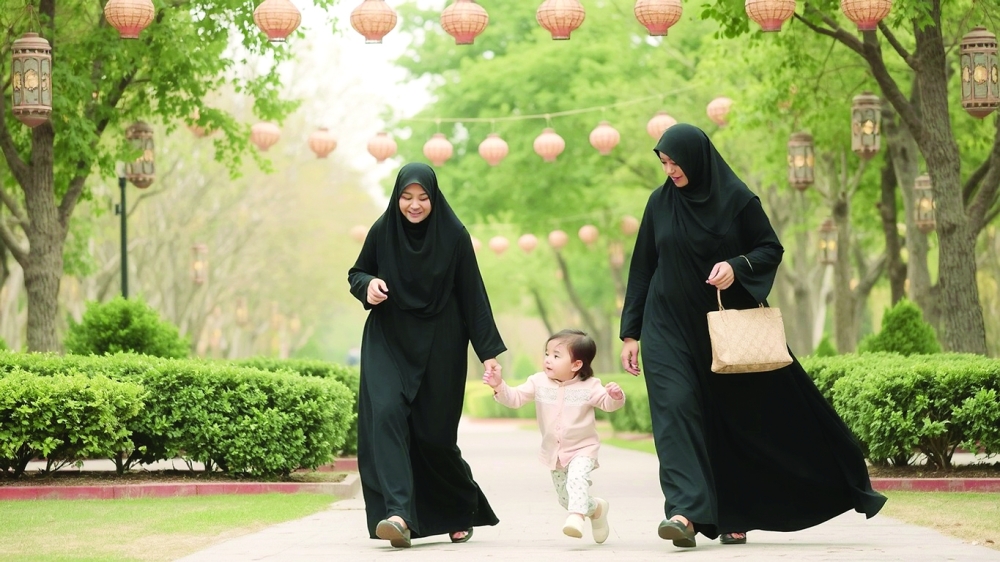





In recent years, walking in Oman has emerged as a popular trend, especially following the Taraweeh prayers during the holy month of Ramadhan. Each evening, the streets, parks and even malls are alive with the sound of footsteps as people from all walks of life and ages come together to embrace the simple yet profound gift of this physical activity. Families, friends and neighbours are frequently seen strolling together, creating a delightful tapestry of community spirit and connection under the stars.
During the luminous nights of Ramadhan, after concluding their Taraweeh prayers, the community comes to life. Parents accompany their children, friends catch up on the latest news and families gather in small groups. As feet trudge quietly along the pathways, conversations flow freely, memories are cherished and a warm sense of belonging develops.
Walking after Taraweeh prayers has evolved beyond merely a physical exercise or a means of maintaining health; it has transformed into a cherished social ritual that fosters warmth and intimacy among family members. It serves as an escape from the fast-paced nature of modern life, providing a welcome outlet for meaningful dialogue, far removed from the distractions of screens and daily chores.
Many devotees of this evening stroll acknowledge that it transcends the realm of physical activity; it offers a distinct chance for reflection, mental clarity and the strengthening of social bonds. Psychologist Dr Abdullah Muhammad highlights that this practice offers benefits far beyond enhancing physical fitness.
He remarks, “Walking after Taraweeh prayers aids digestion following iftar, boosts blood circulation and alleviates stress levels. However, it’s equally an excellent opportunity for forging connections with family and friends. Walking together cultivates a relaxed environment for conversation, allowing children to communicate openly with their parents and couples to address their concerns away from the day’s chaos.”
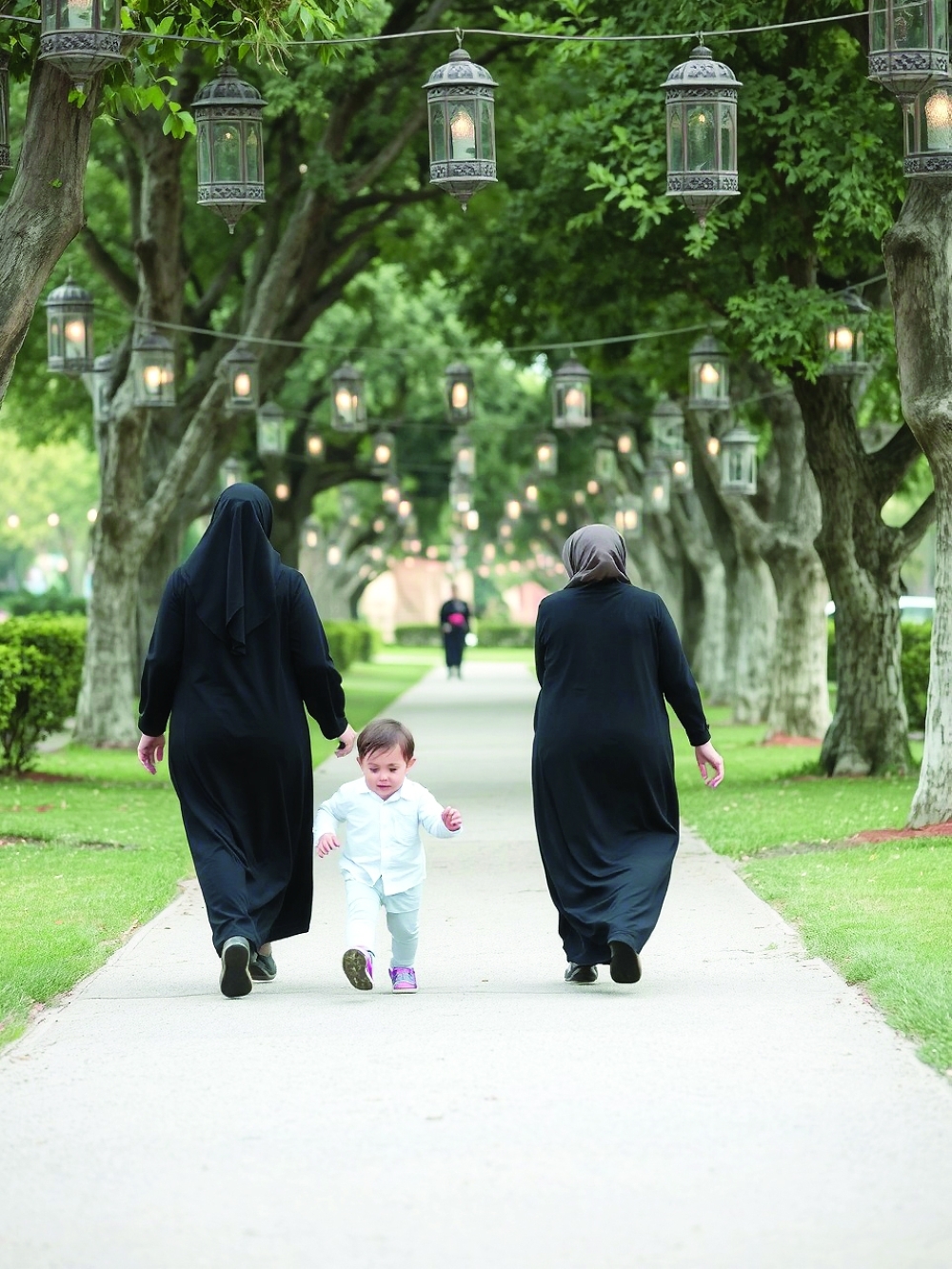
Fatima al Hatroushi, a dedicated social worker, asserts that walking during Ramadhan creates a space for families to unite, far removed from dining tables and electronic devices.
She states, “In today’s world, each family member often finds themselves engrossed in their own lives. Even under the same roof, a father might struggle to find time to engage with his children, while a mother may be knee-deep in daily responsibilities. Yet when the family steps out for a walk, the dynamic shifts. You witness a father discussing his son’s aspirations, a mother confiding in her daughter, and siblings fondly recalling their childhood adventures.”
Fatima continues, “What’s remarkable about these spontaneous conversations is that they often run deeper and feel more genuine than those held indoors. The relaxed ambiance free from technological distractions allows for authentic connections.”
Mohammed al Hashemi, a father of three, reflects on how he came to appreciate this tradition when he noticed his children eagerly anticipating their walks after Taraweeh prayers.
He shares, “Initially, I walked alone, but gradually my children began to request that I take them along. I’ve found it an exquisite chance to converse, listen to their thoughts and share tales from my own youth. Now, it has become an essential part of our routine and it’s my children who remind me of our evening walks.”
He adds, “It’s not merely a form of exercise; it’s a special time for us to laugh, converse and relish the spirit of Ramadhan together. These moments create lasting memories more than anything else.”
Interestingly, the practice of walking after Taraweeh is often a habit that flourishes during Ramadhan, yet it can easily extend well beyond the month, evolving into a healthy and sociable lifestyle.
Dr Abdullah Muhammad emphasises that “people often associate walking with the spiritual ambience of Ramadhan, but this activity can be seamlessly integrated into daily life after the month concludes. Walking requires no special equipment or gym memberships; it’s simply the decision to step outside and embrace movement.”
Many social workers believe that “walking as a family is not just a Ramadhan tradition; it can transform into a regular weekly or even daily activity. It not only fosters health but also strengthens familial ties while providing a space for dialogue and interactions between generations.”
Perhaps it is the simplest habits that create the most beautiful memories. On Ramadhan nights, as footsteps echo quietly beneath the streetlights and laughter dances with the evening breeze, something profound occurs. Walking after Taraweeh prayers transcends physical activity; it becomes a precious moment filled with human connection that warms our hearts and restores the essential yet often overlooked feeling of togetherness. With every step, we build bridges towards one another, celebrating the ties that bind us.
Oman Observer is now on the WhatsApp channel. Click here


