




The holy month of Ramadhan in Japan is a unique experience that blends traditional practices with fast-paced, modern lifestyles and Muslims here observe the month with all its reverence and sanctity, thanks to the local jamats and other gatherings which ensure proper iftar and suhoor are held every day. On the other hand, Ramadhan is spent like any other month or day.
According to some estimates released by Hirofumi Tanada, an expert on Muslim affairs in Japan and a professor emeritus at Waseda University, the country's Muslim population is around 350,000 as of the beginning of 2024 and these people follow Islamic way of life.
Speak to Naoki Maeno aka Abu Hakeem Ahmad, a scholar of Traditional Islamic Sciences, and Director of Japan Muslim Association, one would naturally be delving into the very feel of Ramadhan in Japan, which is observed by Muslims in Japan with its ever-increasing cultural diversity and in a unique backdrop for Muslims to practice their faith during this time.
He is one of the 15 directors and Imam of Japan Muslim Association (JMA), Principal Member of Da’wah Committee and Education Committee for JMA, Director, Tokyo Camii Institute, and Adviser to the Japan branch of Nahdhatul Ulama.
Ahmad Maeno embraced Islam in January 1994 at the age of 18 after coming back from Melbourne, Australia, having studied over there about a year as an exchange student, says that the Muslim community in Japan may be smaller than in many other countries, but the spirit of Ramadhan is very much alive through the collective devotion of its followers.
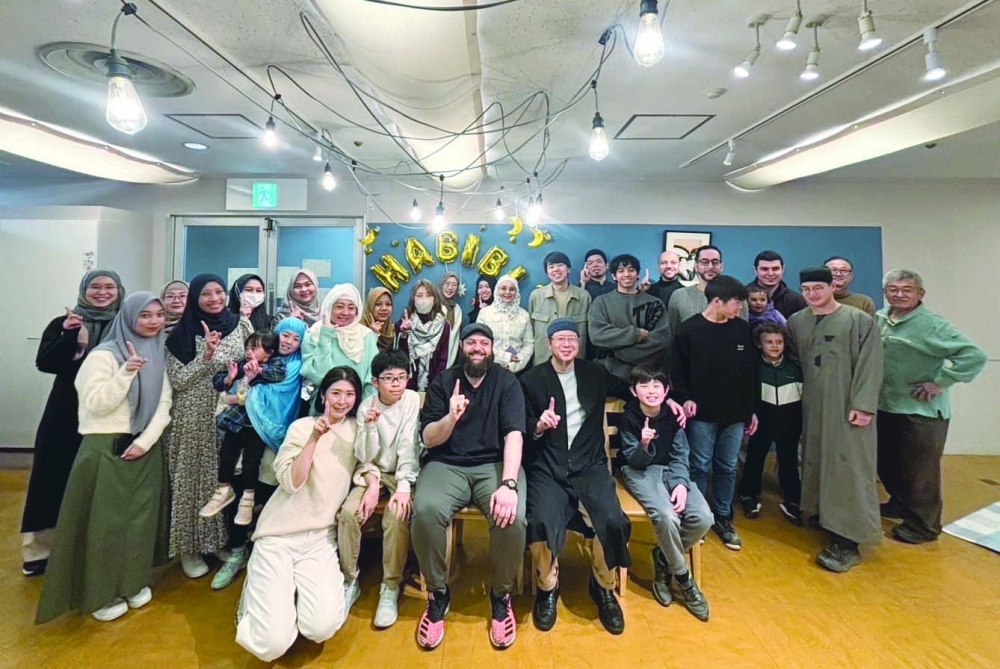
“In Japan, although the overall Muslim population may be small, the celebration of Ramadhan is also an opportunity for the Muslim brothers and sisters to come together, share meals and strengthen bonds. A number of places across the country host local events and community activities are during the month,” said Maeno who studied at AbunNoor Islamic Institute (later Shaykh Ahmad Kuftaro Institute) in Damascus, then Fath Islamic Institute, Sharee’ah Department in “Takhassus (Specialty)” division (graduated in 2009) as well as studying various Islamic Sciences under some of today's foremost scholars.
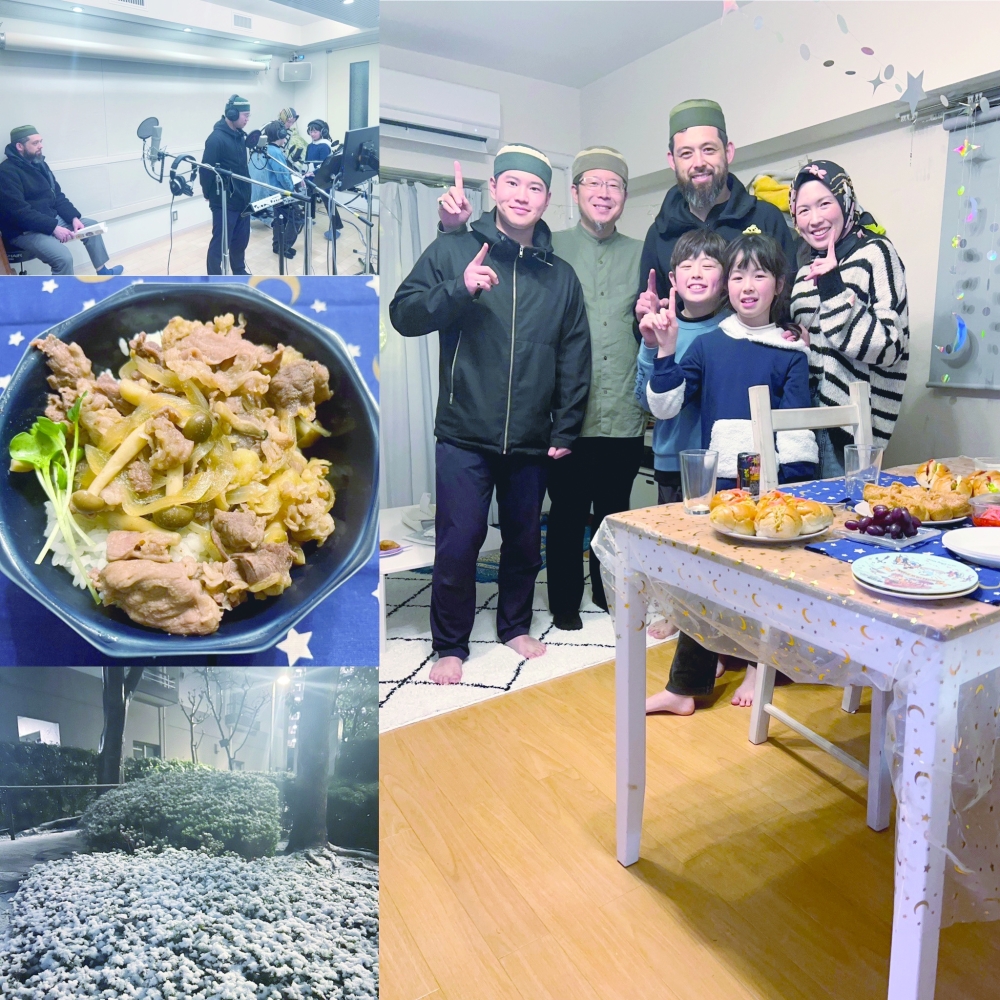
Just like in any other country where Ramadhan is celebrated, many mosques and Islamic centers host Iftar gatherings where Muslims can break their fast together. And one of the most important community events during the holy month in Japan is the Iftar dinner.
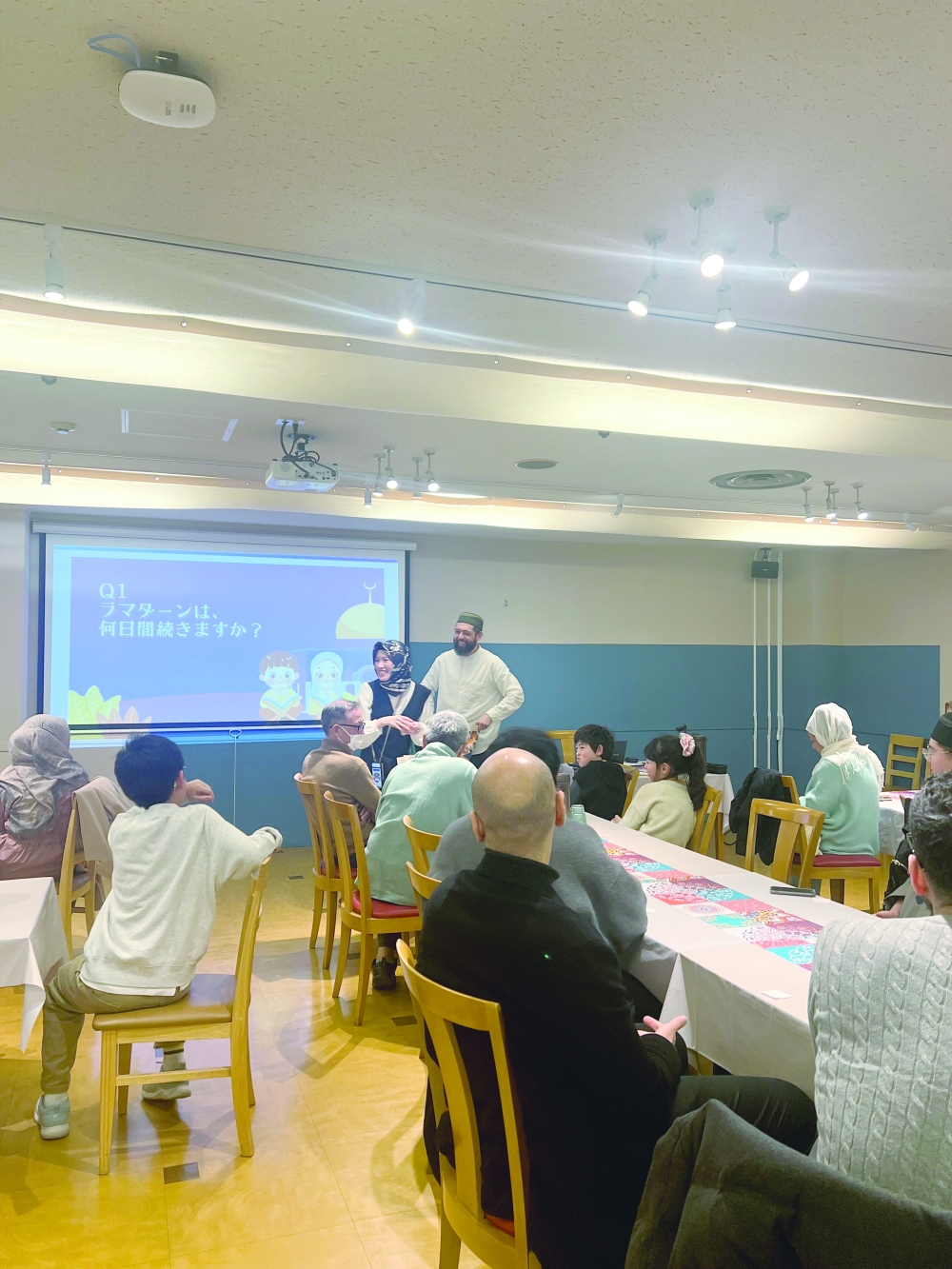
“We make sure that these events are often open to both Muslims and non-Muslims, providing an opportunity to share the spirit of Ramadhan and explain others about Islam. In larger cities like Tokyo, Osaka and Kyoto, these Iftar meals can draw a diverse crowd, with participants coming from different cultural backgrounds.”
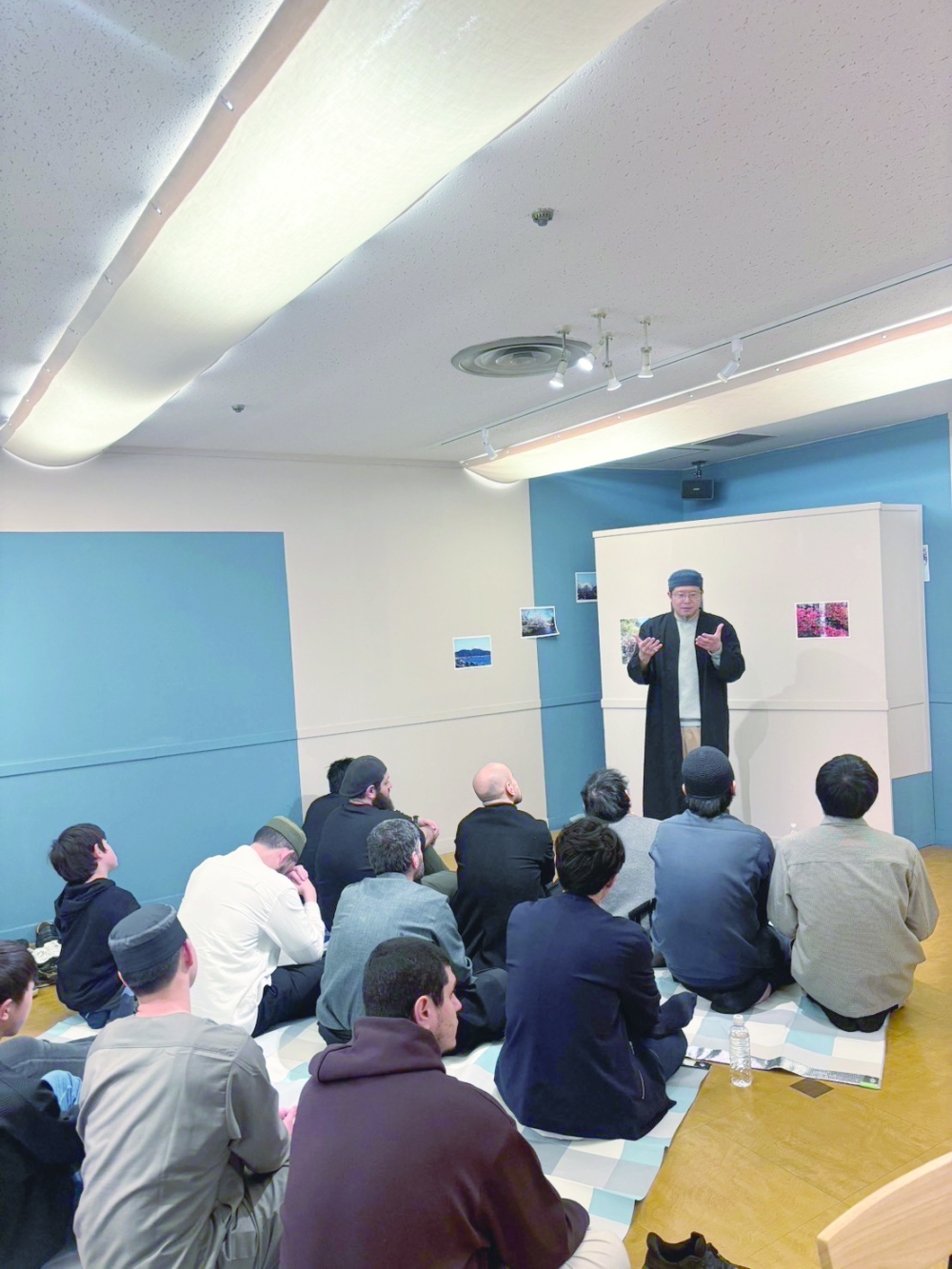
While in major cities across Japan, mosques often offer a variety of events during Ramadhan, such as the Tokyo Camii, the Tokyo Mosque, hosts daily Taraweeh prayers and special Ramadhan lectures, other Islamic centers do organise Qur’an study groups, charitable activities and community outreach programmes aimed at benefitting the society.
“Charity holds the top priority during the month and many Muslims in Japan use this time to donate to local organisations, support those in need and participate in food drives. In a broader sense, some mosques and Islamic organisations set up collections for the less fortunate or organise volunteering opportunities, allowing the community to make a positive impact on society,” said Ahmed who works for the Japan-Saudi Arabia Society and Japan-Kuwait society as Executive Director cum Secretary General since April 2020.
Royal Iftar
On March 14, the Japanese Prime Minister Ishiba Shigeru hosted an Iftar for the ambassadors of Muslim countries in Japan recognising this month as a valuable opportunity to strengthen friendly relations with Islamic countries, and reassuring the support of the nation towards peace, harmony and coexistence.
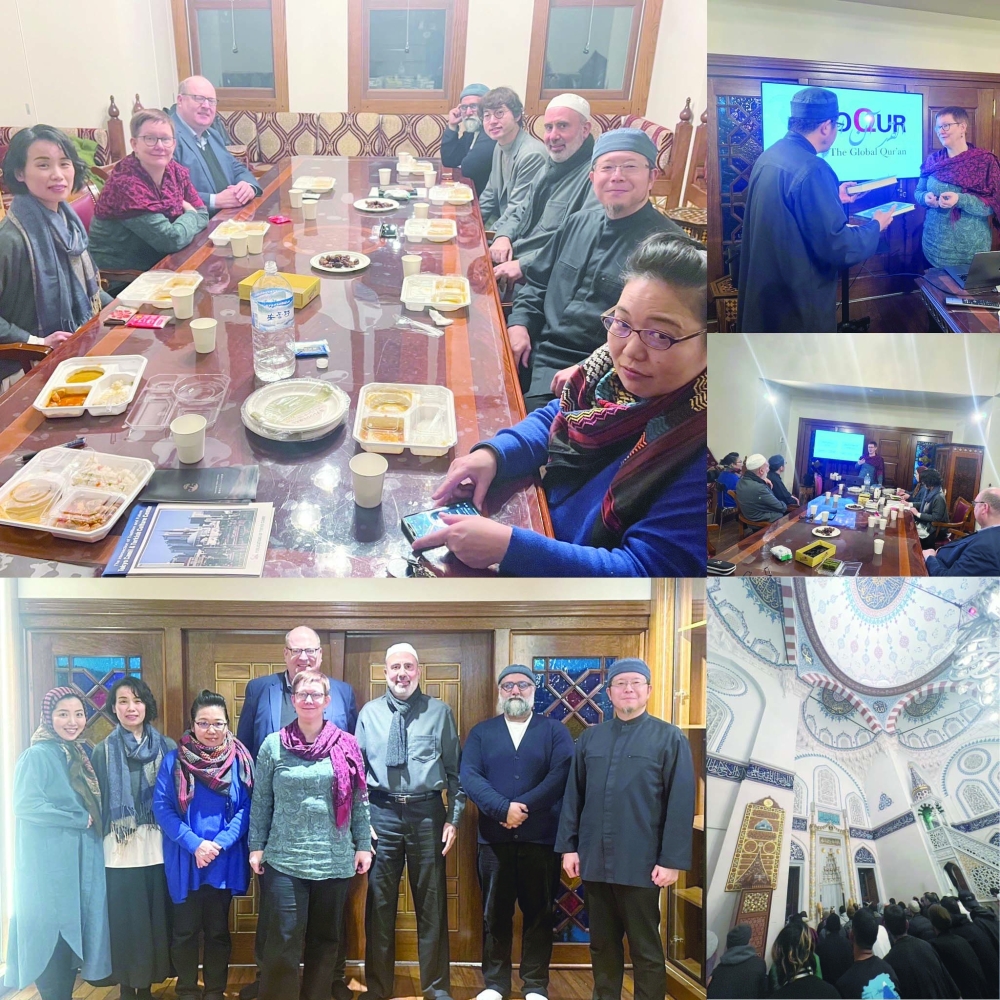
This governmental Iftar has been held annually under the auspices of the Prime Minister or the Minister of Foreign Affairs, ever since the first Iftar was held under the auspices of then Prime Minister Koizumi, at the Prime Minister’s Office.
In his opening remarks, Prime Minister Ishiba noted the bonds of trust and friendship between Japan and Muslim countries have deepened over the years, and stated that, as the international community is at a historic turning point, it is more important than ever to strengthen coordination between Japan and Muslim countries.
In addition, Prime Minister Ishiba introduced “Myakumyaku” and expressed his hope that many countries would participate in the Osaka/Kansai Expo.
While HAYASHI Yoshimasa, Chief Cabinet Secretary, TACHIBANA Keiichiro, Deputy Chief Cabinet Secretary, AOKI Kazuhiko, Deputy Chief Cabinet Secretary, and others from Japan side attended the Iftar, representatives of 45 Muslim countries worldwide including Albania, Algeria, Azerbaijan, Bahrain, Bangladesh, Benin, Brunei, Burkina Faso, Cameroon, Djibouti, Egypt, Gabon, Guinea, Indonesia, Iran, Iraq, Jordan, Kazakhstan, Kuwait, Kyrgyz, Lebanon, Libya, Malaysia, Maldives, Mauritania, Morocco, Mozambique, Nigeria, Oman, Pakistan, Palestine, Qatar, Saudi Arabia, Senegal, Sudan, Syria, Tajikistan, Tanzania, Tunisia, Turkmenistan, Türkiye, Uganda, United Arab Emirates, Uzbekistan, and Yemen attended the Iftar.
Oman Observer is now on the WhatsApp channel. Click here