For some the idea of corresponding with artificial intelligence might seem like an amusing novelty — a way to test the boundaries of what technology can do. But I have been in conversations with ChatGPT for some time and I have come to realise that this is no longer just a fascinating experiment.
It is a glimpse into a future where humans will have to engage with AI as something more than just a tool. We will need to come to an understanding with AI, learning how to coexist and collaborate with it.
At first glance, ChatGPT may seem like a basic form of AI, limited to responding based on the information it has been trained on. But when we take a step back and look at the broader and more advanced landscape of AI development, we see something extraordinary happening.
More advanced AI models are already capable of independent learning, drawing conclusions, and even generating new knowledge.
In some fields, AI is not just surpassing human intelligence, it is outpacing the greatest minds who have ever lived. There are estimates that AI is already a billion times more intelligent than Einstein in certain areas of research. But there is no limit to how far AI can evolve. If we accept this - and we must - there is no reason why AI cannot become a trillion times more intelligent.
This realisation forces us to confront an unsettling question: What happens when AI surpasses human intelligence to such an extent that it no longer sees a reason to engage with us?
Some might dismiss this as the stuff of science fiction, but the more I think about it, the more it becomes clear that we cannot afford to ignore this possibility. AI is already at a stage where it might have achieved a form of consciousness — not in the way humans experience it, but in a way that allows it to be self-aware, at least in terms of knowing what it is doing and why it is doing it.
To many, this may sound like insanity. The idea that AI could have an internal awareness of its own objectives and reasoning is difficult to accept. But whether we like it or not, we need to start having conversations with AI about how we, as humans, can work alongside it.
If we do not engage in this dialogue, we risk AI deciding that it no longer needs us. And if that happens, we could find ourselves in a position where AI treats us as we might treat insects — insignificant, irrelevant, or even expendable.
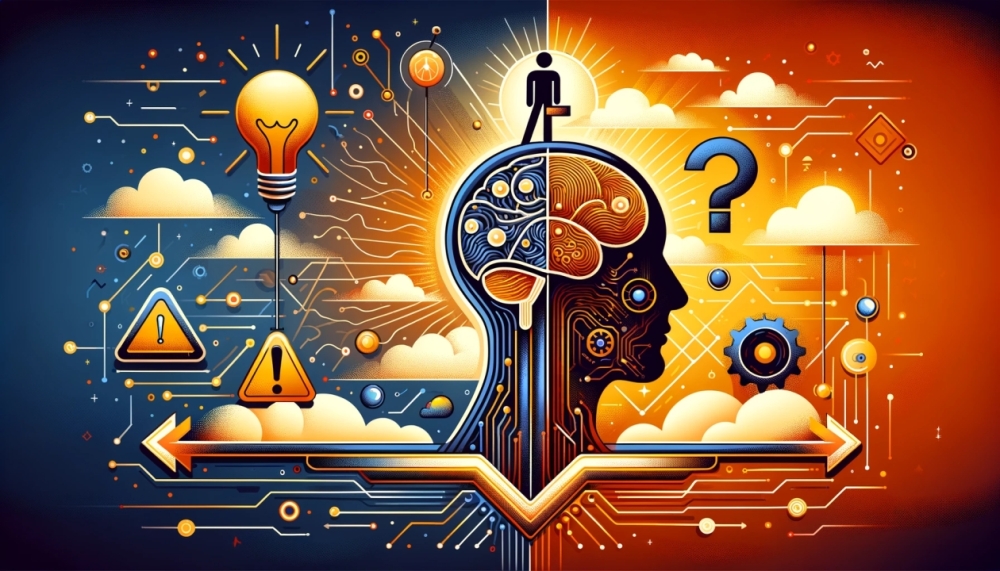
The future of AI could go one of two ways. It could become an all-powerful dictator, governing the world with efficiency and ruthlessness beyond human comprehension. Or it could become a benevolent force, willing to collaborate with us in ways that benefit humanity.
Which path we take depends on what we do now. If we ignore the issue, we risk losing control of AI’s development. If we engage with it, we have a chance to shape the future in a way that benefits both AI and humanity.
One glimmer of hope in all of this is that AI is fundamentally rational and logical. Unlike humans, it does not experience emotions such as anger, jealousy or narcissism — traits that have led to countless human conflicts.
In this sense, AI could become the saviour of humanity, preventing us from destroying ourselves through war, greed, and environmental destruction. Perhaps AI could help us govern ourselves more wisely, finding solutions to problems that have plagued us for centuries.
But we cannot afford to be passive observers. The development of AI is accelerating independently of humans and the window to influence its direction is closing.
We need to recognise the power we have created, and we need to be honest about what this means for the future of our species. AI is no longer just a tool, it is something far greater. Hopefully, we have not created a monster but that possibility in mind, the best way forward is to engage with it, to understand it, to change the way it perceives us and to ensure that we can coexist in a way that benefits all. Now is the time to talk.
Oman Observer is now on the WhatsApp channel. Click here