




During the holy month of Ramadhan, many people wonder about the impact of exercise - whether it is beneficial or harmful, the best times to work out, and what types of physical activity to engage in.
Since fasting alters eating and sleeping habits, it naturally affects the body’s physical and mental performance. However, with proper planning, exercise can be a valuable addition to a healthy Ramadhan routine.
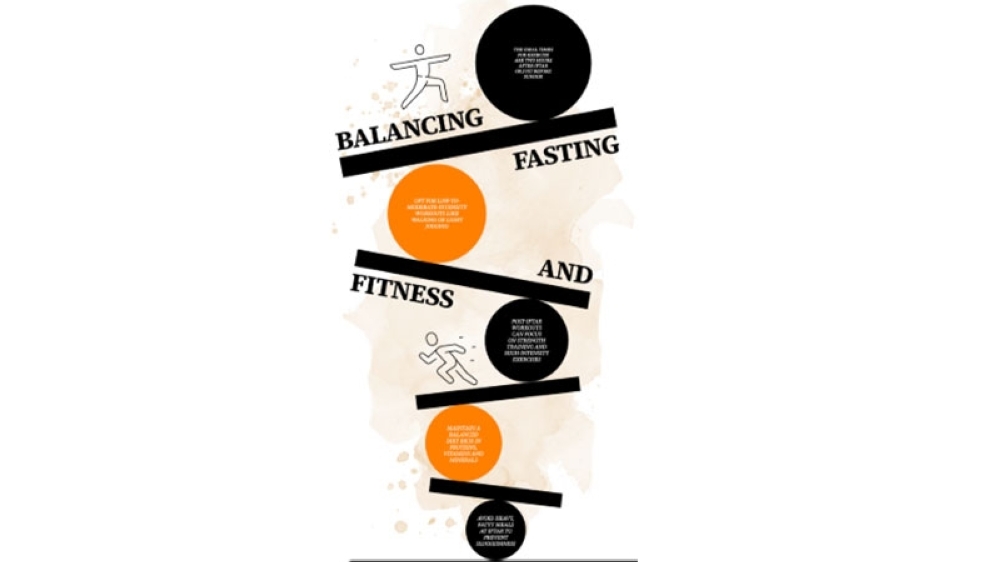
Health and fitness experts suggest that the best exercise time is two hours after Iftar or just before Suhoor.
Before breaking the fast, the body has low energy reserves, so it is important to engage only in light activities such as walking or gentle stretching. After Iftar, when the body is refuelled, it becomes easier to perform moderate to high-intensity workouts.
It is advisable to begin Iftar with fresh juices, water and calorie-rich light foods, followed by exercise, and then a proper meal to restore nutrients. Exercising right before Suhoor is another option, as it allows the body to replenish fluids and energy before the next fasting period.
The type of exercise matters as well. During fasting hours, low-to-moderate intensity activities such as walking, light jogging, or swimming are recommended.
These cardiovascular exercises enhance endurance without putting excessive strain on the body. Strength training or high-intensity workouts should be done post-Iftar when the body has enough energy to sustain them. It is also important to maintain a healthy diet rich in proteins, vitamins and minerals while avoiding heavy, fatty meals at Iftar, which can cause lethargy and digestive discomfort.
Staying well-hydrated with water and natural juices is essential for preventing dehydration and fatigue.
Exercising during Ramadhan offers numerous health benefits, including improved heart function, better cholesterol levels and enhanced fat metabolism.
It helps maintain body weight, boosts liver efficiency and supports a stronger circulatory system by increasing red blood cell production.
Additionally, fasting and exercise together help burn stored fat and activate energy production systems, making Ramadhan an excellent time to focus on overall health and well-being.
With careful planning and dedication, maintaining an active lifestyle during Ramadhan is not only possible but highly beneficial. By choosing the right time and type of exercise, staying hydrated and following a nutritious diet, one can stay fit while observing the spiritual essence of the holy month.
Oman Observer is now on the WhatsApp channel. Click here