




Muscat, March 9
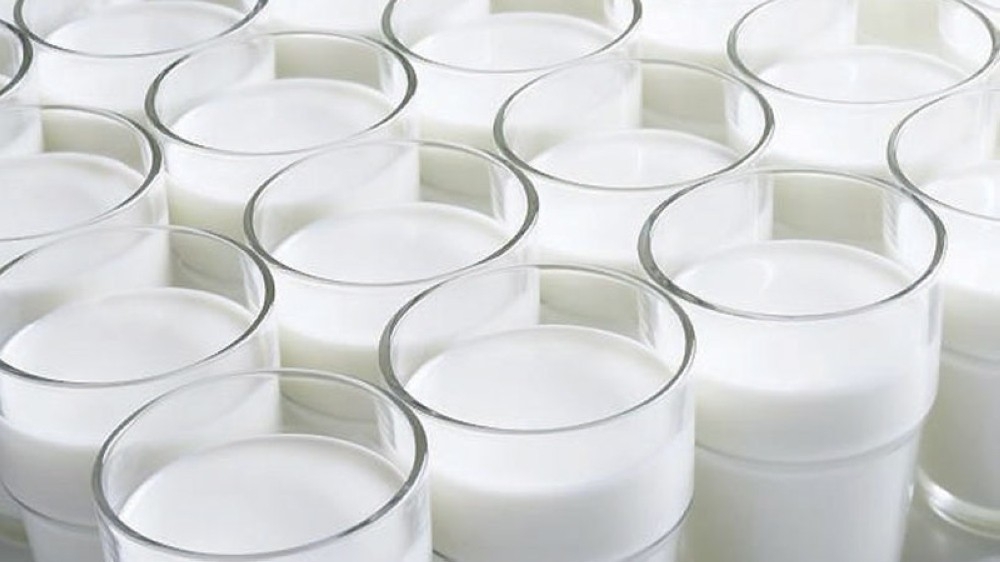
With the increasing demand for fresh foods during Ramadhan, some consumers choose to purchase unpasteurised milk from local markets and farms, thinking it is a healthier and more natural option. However, this practice presents significant health risks, as contaminated milk can harbour harmful bacteria that cause food poisoning, potentially leading to severe complications for fasting individuals.
The Food Safety and Quality Centre defines unpasteurised milk as raw milk that has not been subjected to the necessary heating process to eradicate harmful microorganisms. While some believe that consuming raw milk offers additional nutritional benefits compared to pasteurised milk, scientific studies and health organisations strongly advise against its consumption due to the potential presence of dangerous pathogens that can cause serious illnesses.
In a tweet from its official Twitter account, the Food Safety and Quality Centre emphasised that unpasteurised milk is vulnerable to contamination from various sources, making it a health risk. These sources include animal waste that may contaminate milk during the milking process, as well as zoonotic diseases like bovine tuberculosis that can be transmitted to humans through tainted milk.
Furthermore, bacteria from the animal’s skin may transfer to the milk during milking or due to improper handling. Environmental factors such as soil, dirt, and unclean surfaces can introduce harmful bacteria during production. Additionally, mastitis infections in cows can result in the release of bacteria into the milk, further heightening the risk of contamination. These risks underscore the importance of adhering to strict hygiene and safety standards during milk production and distribution.
Due to these health hazards, experts strongly recommend consuming only pasteurised milk as a preventive measure to safeguard public health.
Yousef al Abri, a farm owner, shared insights on consumer preferences during Ramadhan: “We have observed that some customers, particularly the elderly, request raw milk, believing it to be more beneficial. We always strive to educate them about its dangers and strongly urge them to opt for pasteurised milk to ensure their health and the safety of their families.”
Al Abri also noted that some individuals purchase raw milk and boil it at home, mistakenly thinking this process serves as proper pasteurisation. However, boiling only eliminates some bacteria and does not fully replicate pasteurisation.
Oman Observer is now on the WhatsApp channel. Click here