





MUSCAT, March 9
During Ramadhan around, families often prepare large quantities of food to ensure delicious and varied meals for Iftar and Suhoor. However, in the midst of the festive preparations, food safety and proper preservation can sometimes be overlooked, leading to food spoilage or even food poisoning.
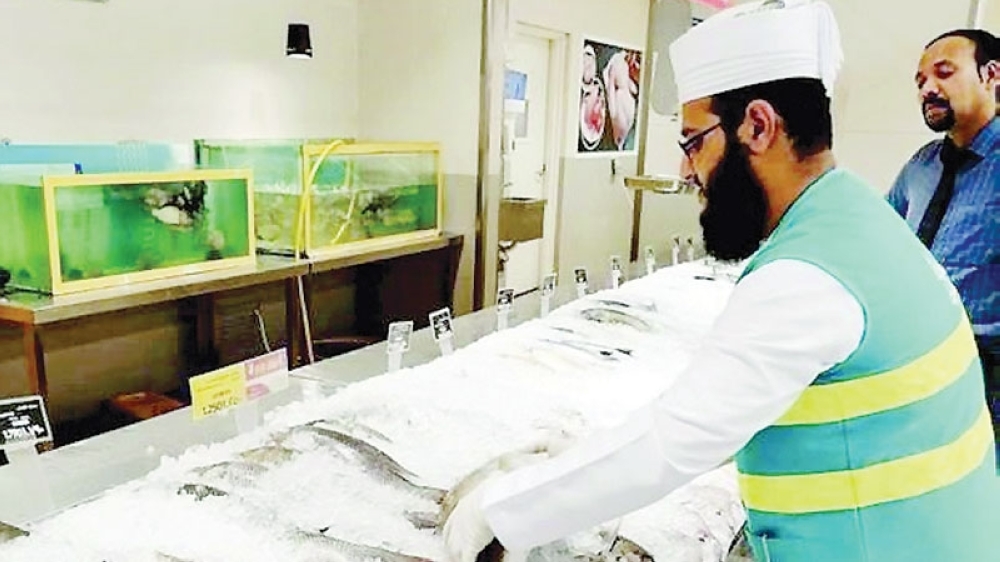
Muscat Municipality has highlighted important guidelines on social media to help ensure safe food cooling and storage throughout the holy month, reducing health risks from poor preservation. These practices will keep meals fresh and safe for consumption during the month of fasting.
It’s common to prepare large amounts of food in advance, but it’s crucial to avoid leaving cooked food at room temperature for extended periods.
High temperatures, especially in some regions, can promote the growth of harmful bacteria. Health authorities recommend cooling hot food within two hours of cooking. Dividing the food into smaller portions can speed up the cooling process and help maintain food safety.
Dr Maryam Saeed, a Nutrition and Food Safety Consultant, notes, “Leaving food at room temperature for extended periods, particularly protein-rich foods like meat and poultry, encourages the growth of harmful bacteria such as Salmonella and E. coli. Rapid cooling and portioning food into smaller quantities significantly reduce these risks.”
Temperature control plays a vital role in food preservation. Muscat Municipality recommends keeping refrigerated foods at 5 degrees Celsius or lower to slow bacterial growth and maintain food quality. Freezing foods should be done at -18 degrees Celsius or lower to nearly eliminate bacteria and preserve the food for longer periods.
In addition to proper cooling and freezing, correct storage methods are essential for food safety.
Some of the useful tips are:
Use airtight containers for cooked and refrigerated foods to avoid contamination and preserve flavour. Minimise frequent opening of the refrigerator to maintain consistent temperature. Organise food in the refrigerator to ensure even cooling, preventing spoilage.
Fasting individuals can adopt simple practices to ensure healthy food consumption during Ramadhan:
These relate to reheating food thoroughly before consumption, especially if it’s been stored in the refrigerator, to kill any lingering bacteria.
Avoid refreezing thawed foods, as this can impact their quality and pose health risks. Regularly check food for signs of spoilage and discard any that appear off in colour or smell.
Use quick cooling methods, like placing food in a cold water bath before refrigeration, to shorten cooling time.
Dr Emreem emphasises, “Food poisoning during Ramadhan often results from improper handling of stored food. For instance, reheating food at low temperatures or insufficiently can leave bacteria alive. Always heat food to at least 74 degrees Celsius to ensure safety.”
Ramadhan presents an opportunity to adopt healthier habits, not just in food preparation, but also in how we store and preserve our meals. By following the correct storage guidelines, you can ensure meals remain flavourful and safe while protecting your family from foodborne illnesses.
Oman Observer is now on the WhatsApp channel. Click here