
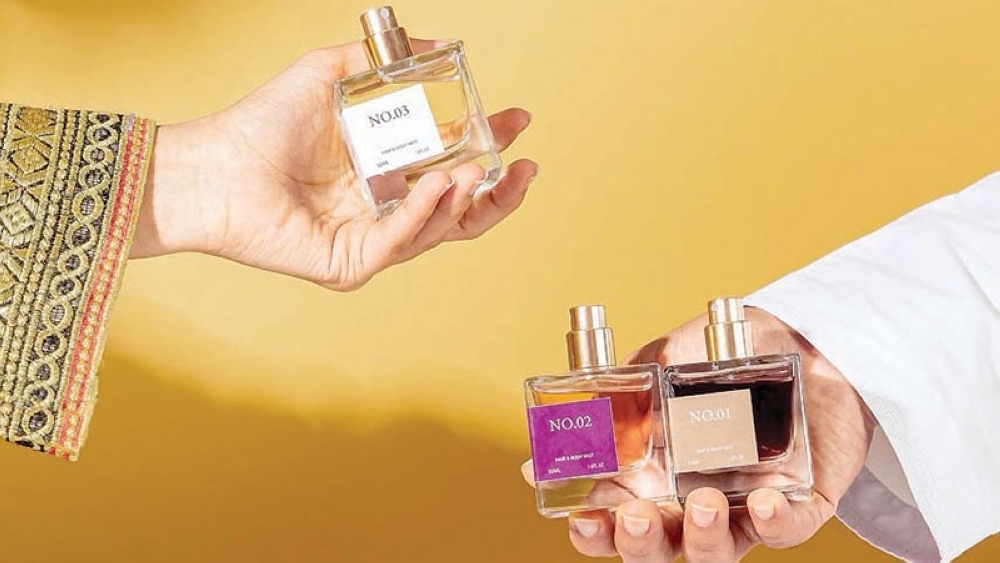





In the fast-paced world of marketing, where consumer attention is fleeting, brands are increasingly turning to the art of photography to make a lasting impression. The trend of powerful product photography has emerged as a vital strategy for companies hoping to differentiate themselves in saturated markets. But why are brands investing so heavily in this visual medium?
Professional product photography goes beyond simply taking pictures. It is about creating visuals that convey value and engage potential customers. Consumers increasingly rely on visual content and base their purchasing decisions on these visuals. High-quality product photography plays a crucial role in driving sales.
In a highly competitive landscape of product photography, where numerous professional photographers operate across various industries, it is essential for a photographer to carve out a unique presence. This can be achieved by developing a distinct style that shines through in their captured images.
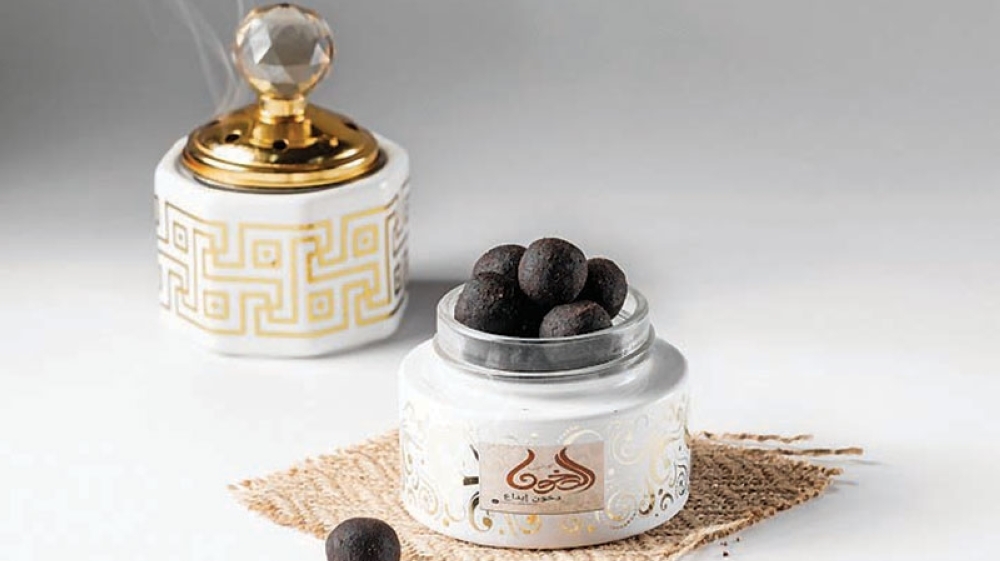
Yusra bint Hamood Al Nuumani has established herself as a prominent photographer specialising in product and food photography for some of Oman's most significant business ventures. She emphasises the importance of lens selection to ensure that product details are captured with clarity and vibrancy.
"The type of camera has a minimal effect on showcasing fine product details," she explains. "Instead, the lens choice and adjustments made in design software are critical to achieving image quality. From my experience, I recommend using prime lenses, such as the 50mm lens, along with macro lenses for photographing intricate details in products and food. Additionally, using proper lighting accessories and reflectors to reduce shadows is essential for producing high-quality product images. Various paper and wood backgrounds are also fundamental for presenting images in a professional manner."
Product photography is distinct from other areas like portrait or sports photography. It requires specific accessories, lighting, and backgrounds that align with the product's theme, as well as creative techniques to adapt the studio with the necessary tools and digital processes. While photography in other fields captures scenes as they are, product photography often involves subtle alterations made through photo editing software.
The rise of e-commerce has further accelerated the need for compelling imagery. With consumers unable to physically interact with products, high-quality images serve as a substitute, providing detailed visual information. Brands are investing in 360-degree views, lifestyle shoots, and even video content to offer a comprehensive understanding of their products. This strategy not only enhances the online shopping experience but also builds consumer trust, as customers feel more confident in their purchasing decisions.
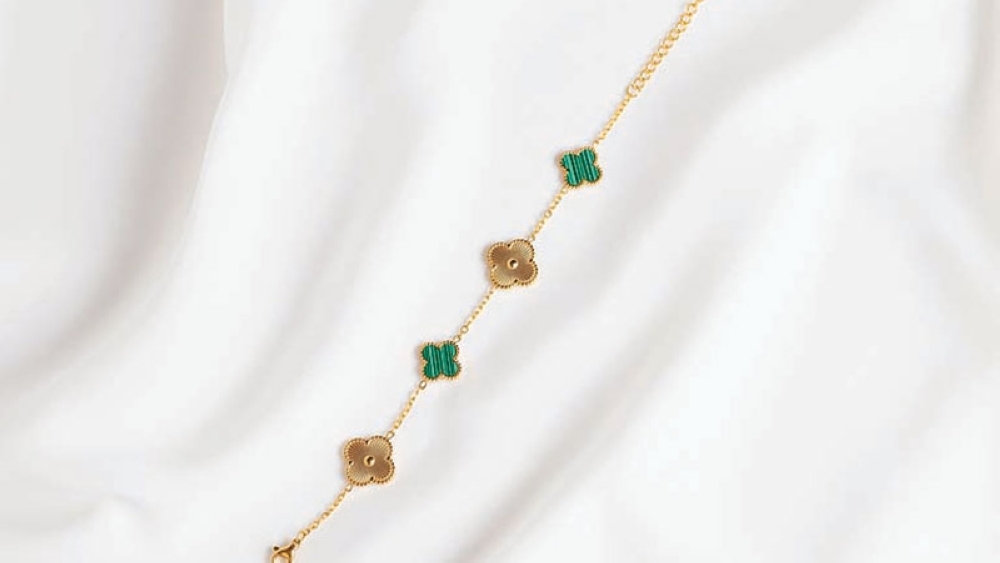
The process begins when Yusra consults with the client to understand their desired models or concepts. She then organises her ideas by reviewing various images and feedback from professional photographers and photography websites.
"The key is to discuss my ideas with the client to create a shared vision," she explains. "After that, I prepare the appropriate backgrounds, lighting, and accessories for the product shoot. The final step involves editing the images with graphic design software to enhance their beauty and colours."
Yusra also advises anyone looking to photograph their own products to seek out feedback in product photography. "It opens up new ideas and creative avenues, helping them to better visualise the final image in their mind," she added.

The quality of product photography reflects the photographer's professional skills by effectively balancing the clarity of the product, showcasing it in the best light, and presenting the brand in a way that attracts viewers.
She shares, “The key element that makes product photos appealing is the colour wheel, which helps in selecting suitable colours for backgrounds and accessories. I often use black and white to maintain the primary focus on the product itself. A single high-quality advertising image, featuring attractive colours and a professional product presentation, can significantly enhance marketing efforts.”
Platforms like Instagram and Pinterest have transformed product photography into a cornerstone of marketing strategies. Brands are now curating their visual identities to create cohesive and memorable brand imagery. Influencer partnerships have also become common, leveraging the power of high-quality visuals shared by individuals who embody the brand’s values. This form of photography creates authenticity and builds a sense of community among consumers, further boosting brand loyalty.
Product photography also requires specific safety tools and skills, particularly when handling items like hot foods and light-sensitive products that can be challenging during the shoot. “I handle hot items carefully, wearing gloves while moving them and ensuring an appropriate surface beneath the shooting area. In some cases, the products can be cooled down, and we can create a hot effect digitally during photo editing,” she added.
As the landscape of marketing continues to evolve, the importance of quality product photography cannot be overstated. Brands that choose to invest in compelling, well-thought-out visual content are not merely selling products; they are crafting stories and building connections. In a world where every image competes for attention, powerful photography has emerged as a vital tool that can make or break a brand's success. As we move forward, it is clear that those who master this art will likely emerge as the leaders in their industries.

Oman Observer is now on the WhatsApp channel. Click here