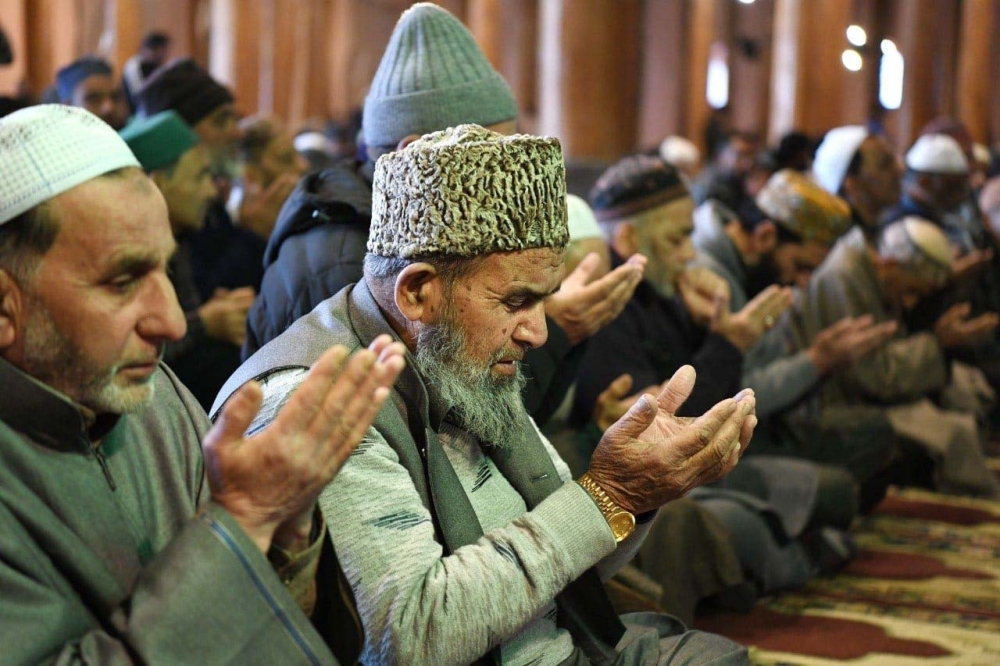





In India, where nearly 204 million of the world’s Muslim population reside (according to a 2019 estimate), Ramadhan is celebrated as a demonstration of the rich cultural and religious diversity of the country, highlighting its cultural pluralism and commitment to religious freedom.
India's Muslim population is the third-largest in the world and the largest Muslim-minority population. Muslims make up approximately 14 percent of the country’s total population. India is home to 10.9 percent of the world's Muslim population, and what makes the holy month unique in India is the way political leaders, corporate moguls, celebrities, and other prominent figures organise iftar gatherings. These events serve as a means for networking and socialising, thus bolstering the strong social fabric of the country.
These iftar events are instrumental in helping leaders engage with their Muslim constituents, promote communal harmony, and demonstrate solidarity with the vast Muslim population across the nation.
Such iftar gatherings, organised by leaders and celebrities, host individuals from all walks of life, irrespective of their faith. They are testimonies not only of sharing and caring but also serve as platforms for fostering dialogue, bridging divides, and strengthening bonds between different communities.
These gatherings reinforce the message that Ramadhan is not merely a time for religious observance but also a period for promoting unity, mutual respect, and understanding across political and cultural divides, reflecting the true spirit of India’s pluralistic democracy.
These celebrations are deeply embedded in the cultural fabric of the nation, weaving together a beautiful tapestry of tradition that spans from Kashmir to Kerala, from Hyderabad to Lucknow, and from Assam to Bengal.
Suhoor or Sehri: A Pre-Dawn Meal
The Suhoor meal, or Sehri, as it is known by various names in different regions of India, is consumed before the Fajr (dawn) prayer and is considered crucial as it provides nourishment to sustain individuals throughout the day of fasting. In many parts of India, the tradition of Sehri involves family gatherings, where Muslims come together before dawn to savour the suhoor delicacies and pray together.
A typical suhoor consists of light, nutritious food that helps sustain energy, such as fruits, yogurt, bread, and eggs, or porridge, or rice soup. Recently, there has been a growing inclination towards lighter, juicy, and hydrating foods, thanks to the awareness created by socio-cultural organisations.
Iftar: Breaking the Fast
The act of breaking the fast, known as ‘Iftar’, is one of the most anticipated moments of the day for Muslims observing fasting during the holy month of Ramadhan. In India, this tradition is viewed as an occasion to strengthen family ties and foster brotherhood. Consequently, Iftar is celebrated with exuberance, often featuring large gatherings of family, friends, and neighbours. It is a time for community members to come together, share a meal, and rejoice in the blessings of the holy month.
Towns and bazaars come alive with iftar delicacies, and the air is filled with the enchanting aroma of snacks and other iftar items tantalising passersby from small confectionery and coffee shops. One cannot resist the temptation of these snacks, leading many to purchase some to take home for their families.
In cities such as Hyderabad and Lucknow, Iftar is a grand event. In Hyderabad, the streets around the famous Charminar become a bustling hub of food vendors selling local Iftar specialties like samosas, pakoras, and dahi puris. The aroma of freshly prepared biryani fills the air as people eagerly await the Maghrib (sunset) prayer, which signals the time to break their fast. In Lucknow, the culinary traditions of Mughlai cuisine come alive during Iftar, with rich dishes such as tunday kebabs and sheermal (a sweet flatbread) served alongside refreshing beverages like rooh afza (a sweet rose-flavoured drink).
Taraweeh, the Night Prayers
Each day of fasting culminates in a longer set of night group prayers at the mosques, known as Taraweeh, which refers to special Sunnah prayers performed exclusively during the Islamic month of Ramadhan.
In India, these prayers involve the recitation of long portions of the Qur’an and can consist of any number of Raka’at (cycles of prostration in Islamic prayer) ranging from 8 to 20, depending on regional practices and traditions.
In the Spirit of Giving: Zakat
The act of charity, or zakat, is one of the five pillars of Islam. During the holy month, Muslims are encouraged to give generously to the poor and needy. They believe that Ramadhan is not solely about fasting, iftar, and suhoor; it is also about giving and helping those in need, as the month is referred to as 'a month of giving.'
In India, this spirit of charity is evident in various forms, from donations to mosques and religious institutions to providing food for the less fortunate during Iftar. Many mosques organise large-scale charity events throughout Ramadhan, where food is distributed to the poor and needy, ensuring that everyone, regardless of their background or faith, has access to a meal during Iftar. In cities like Kerala, Kolkata, and Delhi, charitable organisations and individuals unite to prepare and distribute thousands of Iftar meals to homeless and marginalised communities.
The sight of volunteers cooking together, packing meals, and distributing them resonates deeply within the community, highlighting the essence of compassion and togetherness that Ramadhan embodies. Such acts of charity not only fulfil the obligation of zakat but also foster goodwill and enhance community relations, exemplifying the shared human values that transcend differences.
As Ramadhan progresses and the sense of camaraderie grows stronger, people often find themselves reflecting on their actions and engaging in deeper community initiatives. Many take this time to mend relationships with estranged family members or friends, understanding that the spirit of forgiveness and reconciliation is just as significant during this holy month.
Oman Observer is now on the WhatsApp channel. Click here