




As a Muslim country, Oman is home to a stunning array of mosques, with estimates suggesting there are over 600 mosques scattered throughout the nation. From grand architectural marvels to modest community spaces, these places of worship vary in size and design, but each plays a pivotal role in the lives of the Omani people. With Ramadhan stretching over 30 days, this holy month presents a unique opportunity for Muslims in Oman to deepen their spiritual connection by visiting a different mosque each day. Such a pilgrimage not only enhances one's devotion but also enriches the experience of communal worship during this sacred time.
Among the many mosques that adorn the Omani landscape, a few stand out due to their historical significance and architectural beauty.
Sultan Qaboos Grand Mosque: Located in Muscat, this emblematic mosque is the largest in Oman and can accommodate up to 20,000 worshippers. With its intricate designs, majestic dome, and a stunning 14-ton chandelier, the mosque is a beacon of Islamic architecture. It serves as a central point for worship during Ramadhan, where the community gathers for iftar—the meal that breaks the fast at sunset—and nightly prayers.
Al Zawawi Mosque: Renowned for its striking blue tiles and impressive minaret, Al Zawawi Mosque is another essential site for Islamic worship in Oman. This mosque embodies the country’s commitment to preserving Islamic culture, making it a popular destination for both locals and visitors seeking to indulge in spiritual reflection during Ramadhan.
Nizwa Mosque: Situated in the historic town of Nizwa, this mosque holds historical significance and is known for its serene atmosphere, especially at dusk when the sun sets over the surrounding mountains. The mosque's design features traditional Omani architecture, and it often attracts communities for nightly prayers and community gatherings during Ramadhan.
Each mosque serves as not only a site for individual prayer but also a gathering place for the community, embodying the essence of collective worship in Islam. During Ramadhan, it is this sense of unity that enriches the experience, as believers come together to observe rituals while forming connections within their communities.
Praying Culture in Oman: The Heartbeat of Islam
In Oman, prayer is more than a mere obligation; it is a life-affirming practice that brings individuals closer to their faith and community. The act of praying, or Salah, occurs five times a day, and during Ramadhan, this routine transforms into a powerful spiritual journey.
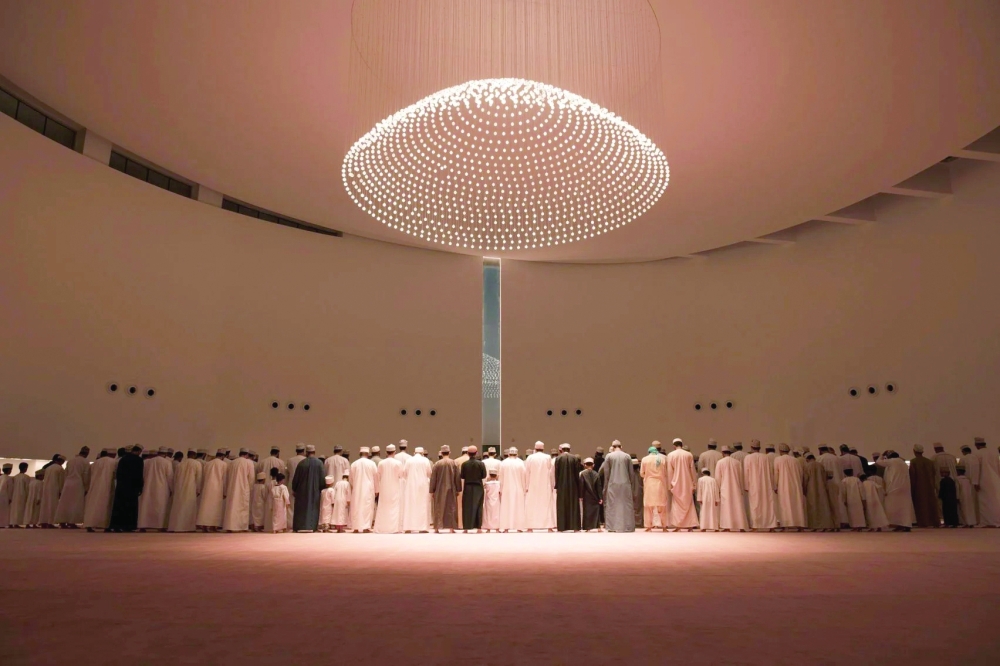
Omani culture places profound importance on prayer, especially during this blessed month when believers reflect on their faith, seek forgiveness, and perform acts of charity. The atmosphere in the mosques during prayer times is charged with a palpable sense of devotion. The beautiful recitation of the Quran and the synchronised movement of the congregation create a harmonious experience that reinforces communal bonds.
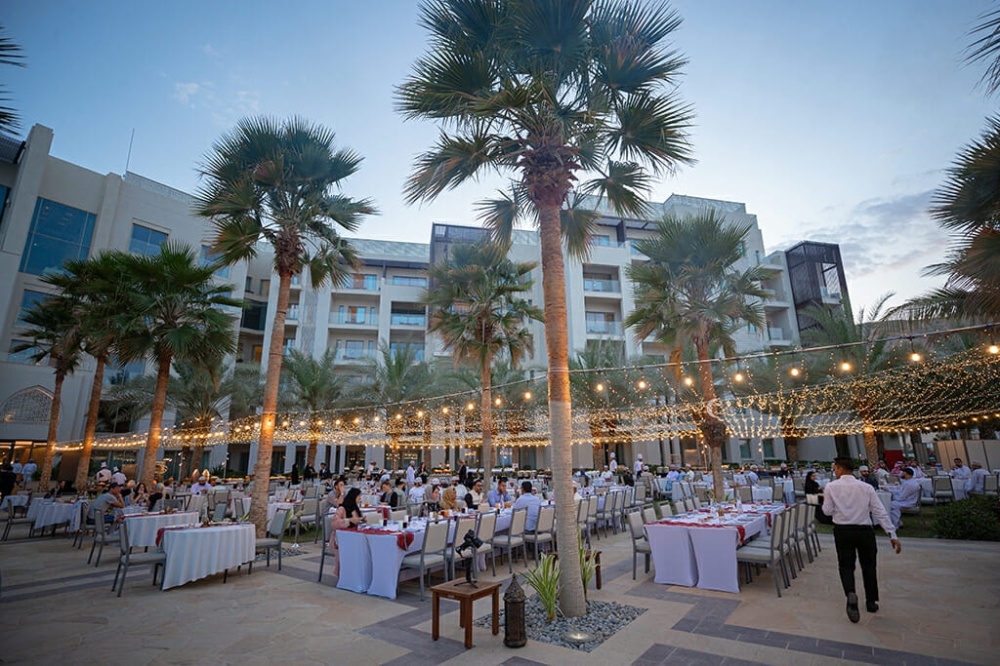
During this period, Muslims are encouraged to be particularly mindful of their prayers, ensuring they are performed correctly and at appropriate times. The ritual of communal iftar fosters a sense of togetherness, wherein families and friends come together to break their fast, share meals, and perform prayers side by side.
As Ramadhan unfolds, the practice of visiting different mosques imbues the month with a fresh sense of spirituality and connection to the Omani community. Each mosque visit offers insights into the diverse Islamic practices across regions and allows for interactions with fellow believers. This pilgrimage during Ramadhan becomes a meaningful way for individuals to engage with their faith on a deeper level, fostering mutual appreciation and respect for the Islamic teachings.
The essence of Ramadhan lies in the significance of performing prayers at the designated times and doing so with sincerity and mindfulness. For those seeking a more profound and memorable Ramadhan experience, embarking on a mosque pilgrimage throughout Oman not only nurtures personal faith but also strengthens community ties. Each visit reveals a slice of Omani Islamic culture, allowing believers to savour the beauty of prayer and fellowship during this holy month. Through the shared experience, one truly appreciates the richness of Islam and its vital role in the lives of the faithful.
Oman Observer is now on the WhatsApp channel. Click here