




PARIS: Global sea ice cover fell to a historic low in February when the world continued to experience exceptional heat and temperatures reached 11 degrees Celsius above average near the North Pole, Europe's climate monitor said on Thursday.
The Copernicus Climate Change Service said last month was the third hottest February on record, continuing a run of persistent warming since 2023 stoked by greenhouse gas emissions.
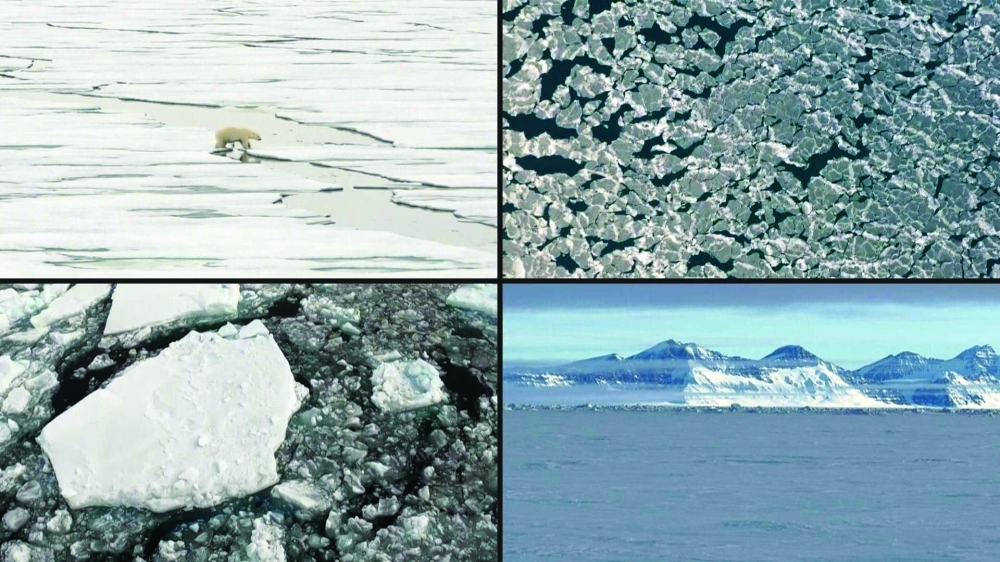
Combined Antarctic and Arctic sea ice cover -- ocean water that freezes and floats on the surface -- dropped to a record minimum extent of 16.04 million square kilometres on February 7, Copernicus said.
"February 2025 continues the streak of record or near-record temperatures observed throughout the last two years," said Samantha Burgess of the European Centre for Medium-Range Weather Forecasts, which runs Copernicus.
"One of the consequences of a warmer world is melting sea ice, and the record or near-record low sea ice cover at both poles has pushed global sea ice cover to an all-time minimum."
The poles are the most sensitive regions to climate change on the planet, warming several times faster than the global average.
Arctic ice cover, which normally expands to its annual winter maximum in March, was a historic February low last month, eight percent below average, Copernicus said. That marked the third monthly record in a row.
In the Antarctic, where it is now summer and the ice is melting, the frozen cover was 26 per cent below average across February, it said.
The Antarctic region may have hit its annual low point towards the end of the month, Copernicus said, adding that if confirmed this would be the second-lowest daily minimum coverage in the satellite record.
Decreased ice cover does not affect sea levels because the ice is already floating in the water but its retreat has serious impacts on weather patterns, global climate, ocean currents, people and ecosystems.
When highly reflective snow and ice give way to dark blue ocean, energy from the sun that would have bounced back into space is absorbed by the water instead, raising the water's temperature and triggering a cycle of ice melt and further global warming.
Melting sea ice in the Arctic is opening up new shipping routes and attracting geopolitical attention, including from US President Donald Trump who has said that he wants to take control of Greenland, a Danish autonomous territory.
The loss of polar ice is a danger for a large number of animals for whom it provides shelter, breeding and hunting grounds, including polar bears, seals and, in Antarctica, penguins.
"The current record low global sea ice extent revealed by the Copernicus analysis is of serious concern as it reflects major changes in both the Arctic and Antarctic," said Simon Josey, Professor of Oceanography at the UK's National Oceanography Centre.
He added that warm ocean and atmospheric temperatures "may lead to an extensive failure of the ice to regrow" in the Antarctic during the southern hemisphere winter. - AFP
Oman Observer is now on the WhatsApp channel. Click here