




Muscat, Feb 27
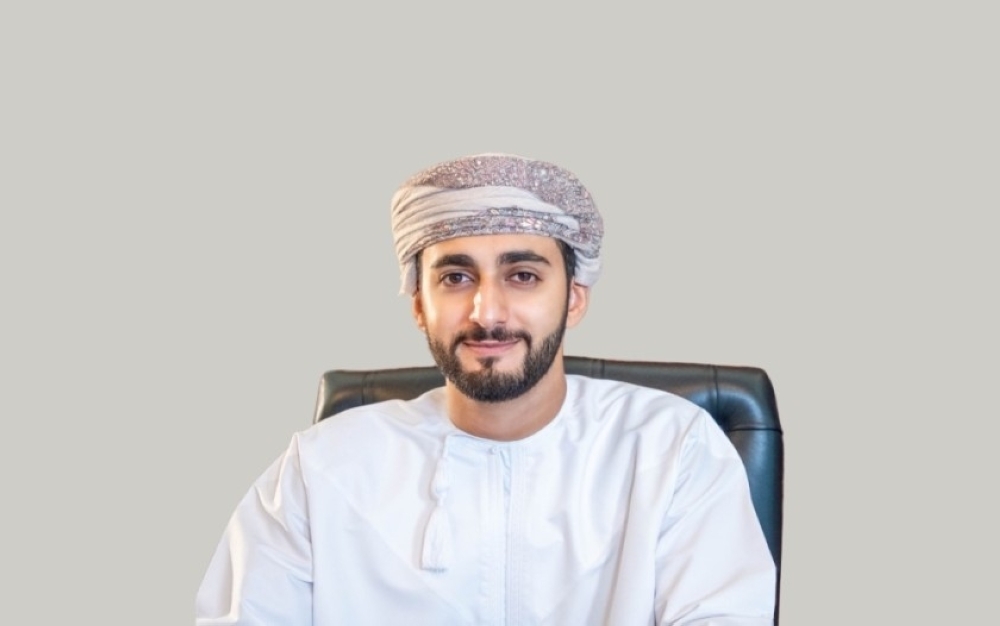
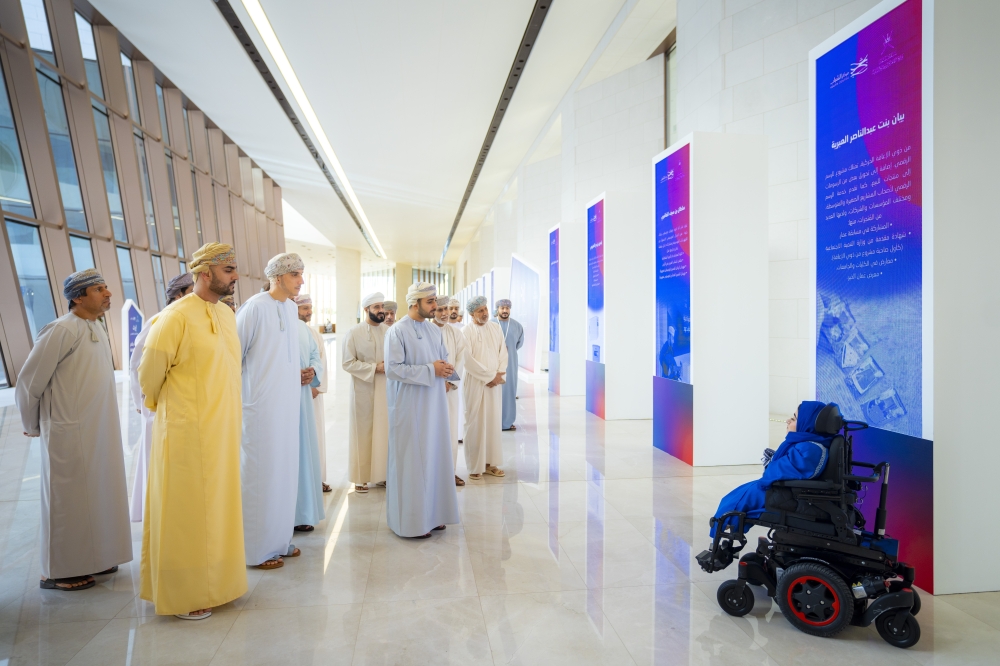
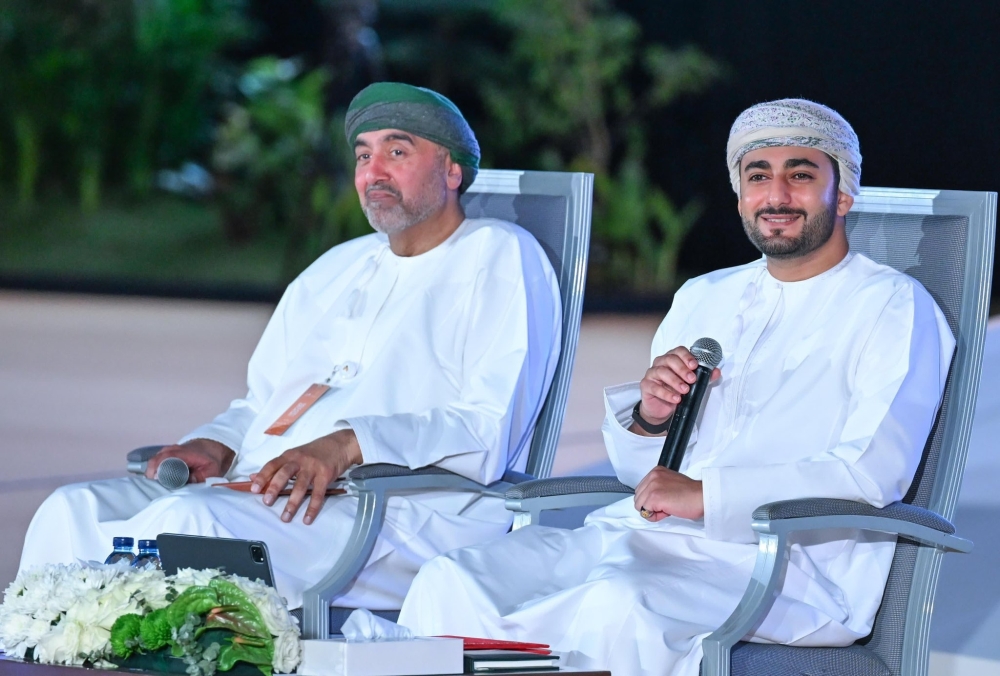
HH Sayyid Theyazin bin Haitham al Said, Minister of Culture, Sports and Youth, emphasised the importance of enhancing dialogue between the government and citizens in various decision-making processes, while highlighting key achievements in the fields of culture, sports and youth at the conclusion of 'Together We Progress' forum on Thursday.
HH Sayyid Theyazin said the major focus of the forum was Oman’s Integrated Sports City Project, which will feature a state-of-the-art football stadium, positioning Oman as a potential host for international tournaments.
He highlighted ongoing collaboration with the Ministry of Education to identify and nurture talented individuals from an early age — whether in culture or sports.
HH Sayyid Theyazin also noted the success of the Military Discipline Programme, which saw the participation of around 700 students in 2024. He described it as an “enriching experience” that prepares Omani youth to face future challenges with confidence and discipline.
He said sports scholarships are being considered to groom professional athletes and that discussions will take place with the relevant authorities regarding the age limit of 23 years for admission to sports-related university and college programmes in Oman.
Additionally, he pointed out that the upcoming sports strategy includes a proposal for private sector companies to sponsor elite sports clubs, with one club per governorate.
Basil bin Ahmed al Rawas, Under-Secretary of the Ministry of Culture, Sports and Youth for Sports and Youth, announced that the updated sports strategy approved in mid-last year is based on four key pillars: community, sports, governance of sports entities and sports economy, aiming for sustainable development in the sports sector.
He also revealed that in December last year, the Ministry of Labour issued a decision to grant sports club players from the civil service sector full-time leave for the entire season, with ongoing studies on extending this to players from other sectors.
Professions and jobs
In the first panel discussion, Dr Mahad bin Said Baowain, Minister of Labour, stated that the ministry is working closely with the Ministry of Higher Education, Research and Innovation to align courses with labour market needs. He said training opportunities linked to employment have increased from 9,000 to 14,000 under Royal directives. He also mentioned ongoing efforts to enhance Omanisation despite persistent challenges with companies. Additionally, the ministry is exploring employment alternatives for people with disabilities, including dedicated jobs for individuals with hearing impairments.
He also stressed the need for fair wages and noted that the ministry conducts inspections to ensure wage protection. While economic improvements have been observed, he acknowledged that this has not yet translated into job creation, despite the presence of 16 specialised employment committees.
Khalid bin Salim al Ghammari, Under-Secretary of the Ministry of Labour for Labour, said the ministry is looking at provisions for freelancers to register in the Social Protection Fund. Additionally, the ministry is engaged in continuous discussions with companies regarding layoffs and has mandated the registration of subcontracting agreements to enhance transparency. He acknowledged cases of corporate malpractice and stated that a study on the minimum wage is underway, with results expected to be announced soon. He also noted ongoing discussions with the Tender Board to secure jobs for technical professionals in various projects.
Sayyid Salim bin Musallam al Busaidy, Under-Secretary of the Ministry of Labour for Human Resources Development, reported that 8,000 students are enrolled in vocational colleges, supported by 1,200 staff members. He highlighted that the ministry is currently evaluating the government work environment to make informed decisions.
He also revealed that 600 students from grades 11 and 12 have begun vocational training as part of an ongoing effort to improve the training system. He pointed out the presence of a job rotation platform designed to address workforce inefficiencies, with 120,000 employees from the healthcare and education sectors excluded from reassignment.
Retirement System
In the second panel discussion, Eng Salim bin Nasser al Aufi, Minister of Energy and Minerals and Chairman of the Social Protection Fund, said a study will be conducted on women’s retirement age. He stressed the importance of assessing the implications of setting a fixed retirement age, whether early or standard. He pointed out that lowering the retirement age would increase the financial liabilities of the fund. He explained that high pension entitlements in exchange for low contributions could lead to deficits, necessitating scientifically backed decisions to ensure the fund’s sustainability. He also noted that there are currently insufficient studies to determine the ideal retirement age and that any decision should strike a balance to avoid excessively increasing employee contributions.
He further explained that a study has been launched to assess retirees’ financial situations over different periods (15 and 30 years after retirement) to evaluate their circumstances before implementing any future changes that could provide greater benefits for families. Additionally, there is consideration of reintroducing parents as eligible pension beneficiaries.
He added that the new system introduced "cash security", guaranteeing retirees 88% of their pension until December 31, 2023, with the possibility of increasing it to 100% based on years of service. Furthermore, retirees now have the option to make additional contributions to increase their pension. They may also work in other jobs while paying supplementary contributions, which will be calculated upon retirement. However, he clarified that individuals receiving a pension cannot simultaneously collect a salary from a new job and their previous retirement pension.
He also pointed out that government employees who completed 20 years of service before the enactment of the Social Protection Fund Law and the Royal Decree remain entitled to 80% of their salary upon retirement.
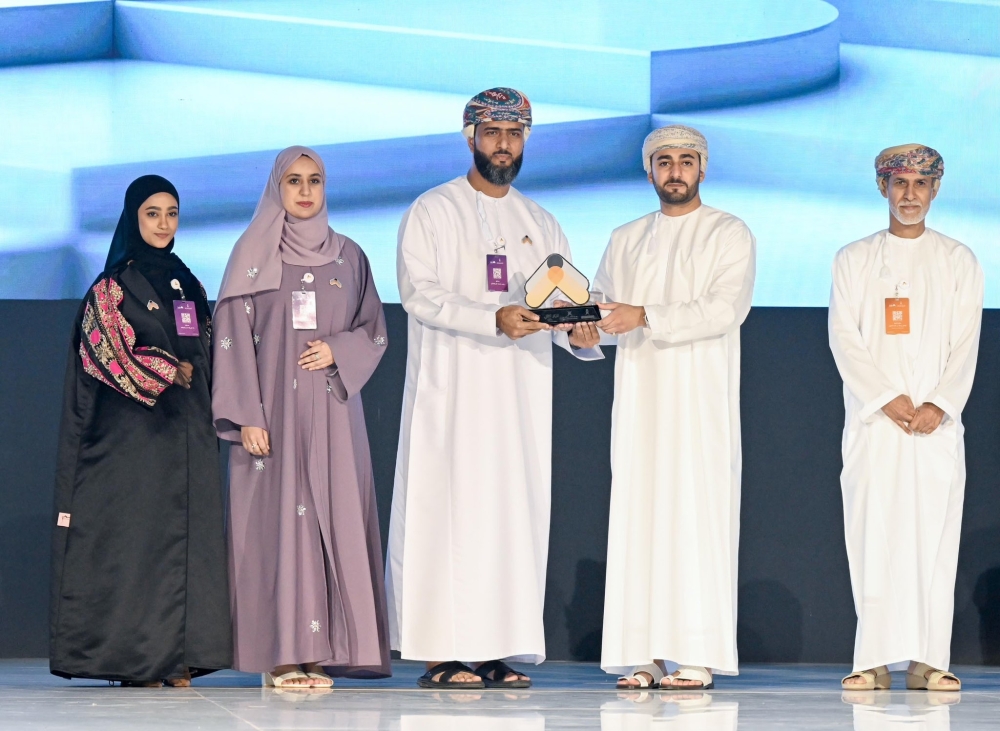
HH Sayyid Theyazin honoured the winners of the second edition of the 'Idea Makers' initiative, which was held as part of the two-day forum.
In the Governorate Development category, Team Gelatos won first place for developing gelatin from fish waste. Team Privy, which developed a natural preservative extracted from marine waste, came second. Team Innovation came third for making an AI powered drone to repair potholes on roads.
In the Government Companies' Challenges category, prizes went to Team Info 8, which developed an AI-powered digital platform that helps companies detect and predict water pipeline leaks; Team Ardak for their project utilising local genetic resources to extract minerals and create value-added products; and Team Wadi Ronb/Cold Asphalt for recycling construction waste into cold asphalt for road maintenance.
In the academic research category, 'Plastic with Added Value' project; 'Leachate Treatment' project, which focuses on bio-coagulation using natural tannin extracted from date pits; and a study on efficient reverse osmosis membranes won awards.
Oman Observer is now on the WhatsApp channel. Click here