
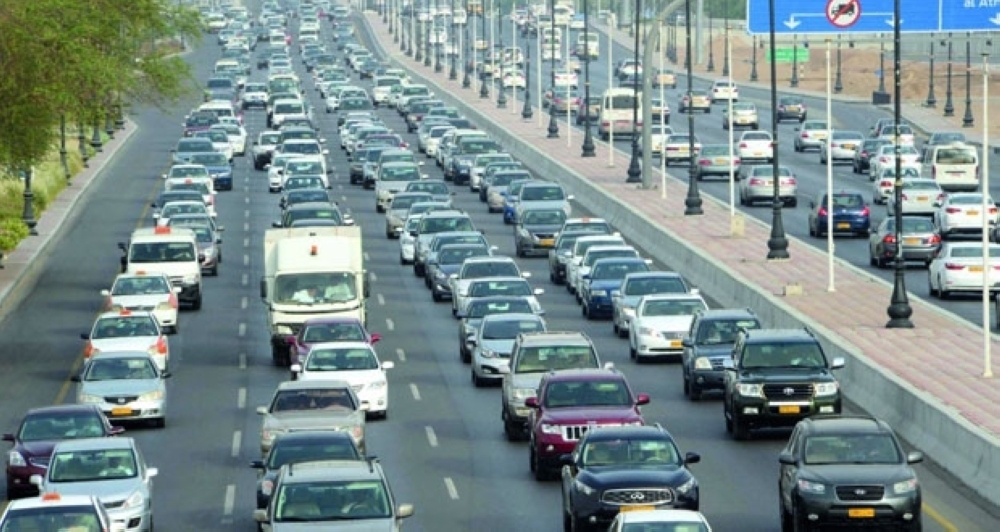
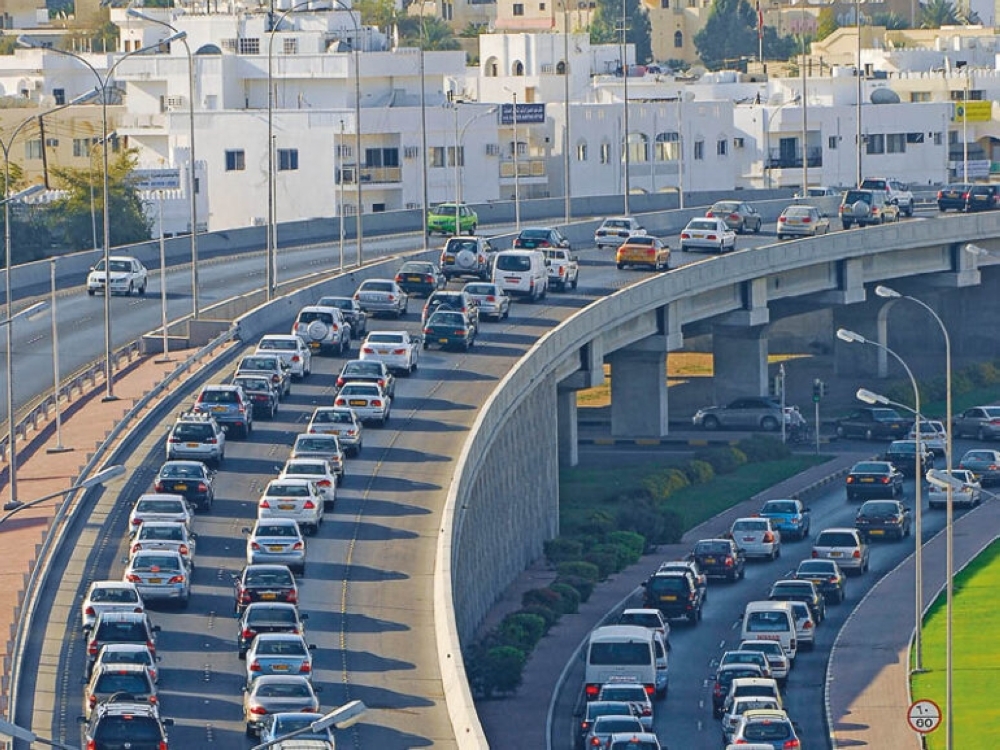





Muscat: As the holy month of Ramadhan approaches, concerns about traffic congestion in streets, markets and public places are renewed, especially during rush hours before Iftar. While flexible work and remote work policies helped reduce pressure on roads and facilities last year, many institutions have returned to traditional working hours.
Congestion in Ramadhan is a recurring phenomenon, as main streets and shopping centres witness heavy traffic, especially after the afternoon prayer and until Iftar time, in addition to the crowding of markets before Eid. With the rise in temperatures, this crisis becomes more difficult, imposing the need for solutions to ease pressure on roads.
Last year's experience proved that applying flexible working hours and remote work helped reduce traffic density. "I was working remotely last Ramadhan, and the situation was more comfortable and productive," says Khaled al Saeedi, an employee in the banking sector. "But this year, we are back to traditional working hours, and I feel that congestion will return, especially on the main roads leading to the offices," he added.
Abdul Rahman Ambusaidi, a human resources manager at an insurance company, believes that the solution lies in combining flexible working hours and remote work. He says: "We can allocate specific days for remote work for jobs that do not require daily attendance, while dividing office attendance into two shifts, morning and evening, to reduce pressure on the streets."
Another solution that could help alleviate congestion is promoting the use of public transportation, in addition to encouraging online shopping to reduce crowding in markets.
Umm Muhammad, a housewife, says: "Every Ramadhan I find it hard when going to the markets to buy Iftar supplies, as the parking lots are full and the queues are long. I think expanding delivery services and online shopping can alleviate this problem."
Technology can also play an important role in organising traffic and reducing congestion. Through appointment booking applications, congestion at government agencies and banks can be reduced. Also, publishing real-time traffic updates via applications and social media helps drivers avoid congested roads.
The solution is not limited to government policies, but also requires a change in individual behaviour. To this note, awareness campaigns are a need of the hour to encourage advance shopping, using public transportation, online shopping and working flexibly during Ramadhan.
Ultimately, reducing congestion during Ramadhan requires concerted efforts between government agencies, companies and people to reach sustainable solutions that make the holy month experience more comfortable and smooth for everyone.
Oman Observer is now on the WhatsApp channel. Click here