




In recent years, confusion has arisen in the field of gemstones, particularly since they began being commercially manufactured. How can a stone be classified geologically, and what criteria, such as value, colour, and origin, determine its classification? Furthermore, how can one distinguish a fake from an original?
For gemstone enthusiast and collector Muath bin Abdullah al Ghafri, differentiating between genuine stones and imitations is straightforward.
“There are certain methods to detect gemstones without the assistance of gemstone testing laboratories, such as the handkerchief and perfume methods. If you wipe the stone with a scented handkerchief and it leaves a colour mark, that indicates the stone is fake because it is dyed. However, the method of light to identify an original stone from a fake cannot be solely relied upon, as some types of stones are inherently opaque to light,” Muath explained.
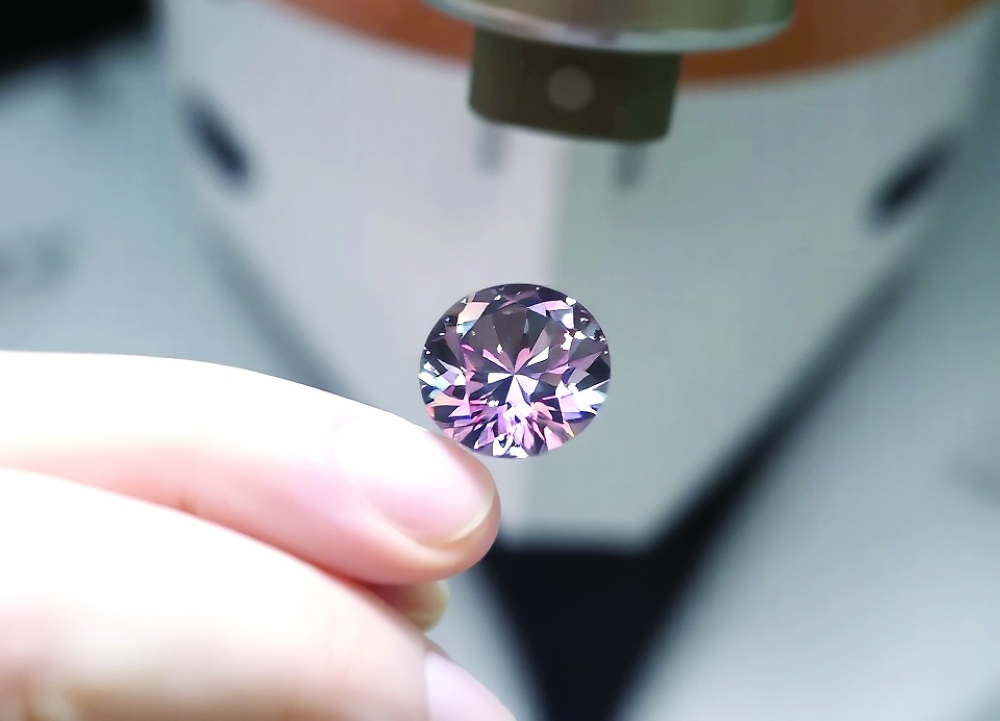
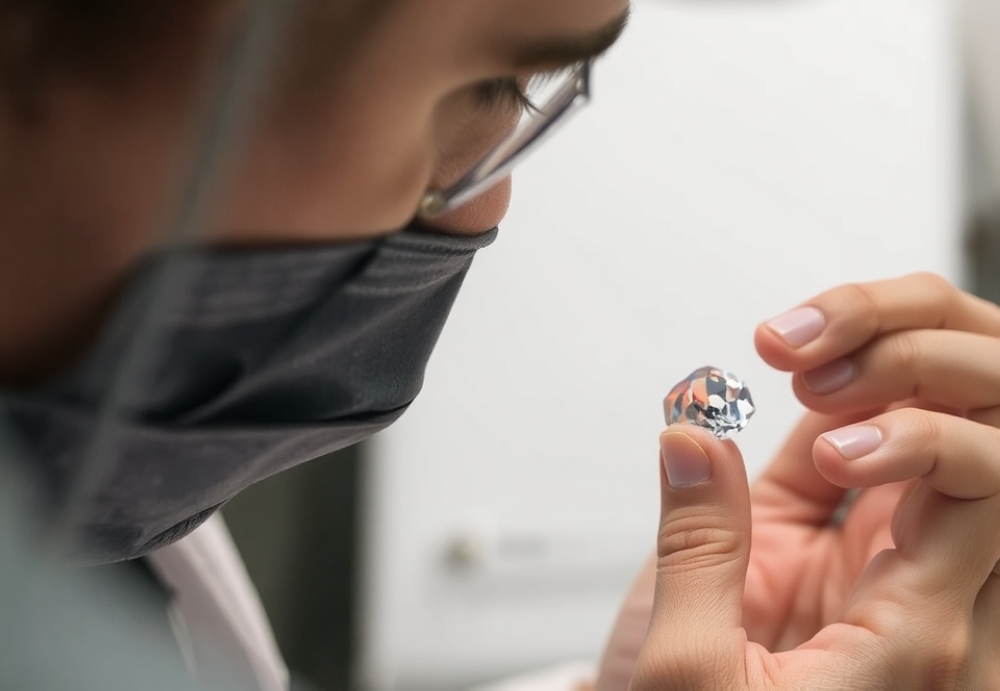
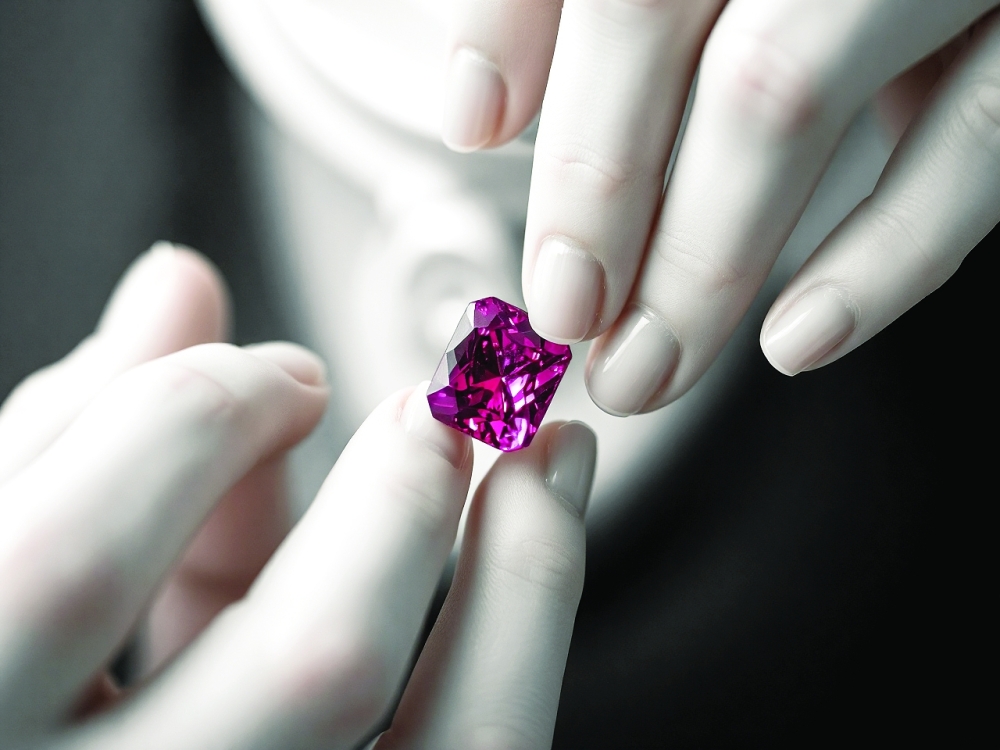
The secrets of gemstones are boundless and can be uncovered through experience. Muath’s journey of collecting luxury and unique gemstones has enabled him to identify stones that are similar in colour but geologically different in composition and name. He elaborated, “There are many stones with the same colour, but their chemical properties differ due to their geological formation, such as Agate, Star Sapphire, and Garnet. These stones are all red in colour, but it is possible to distinguish between them. For example, Agate is pure red, like blood, and resembles a natural rock, while Star Sapphire is a pinkish-red. The Garnet stone is a very dark red, which can be discerned when exposed to light, changing to dark brown or maroon.”
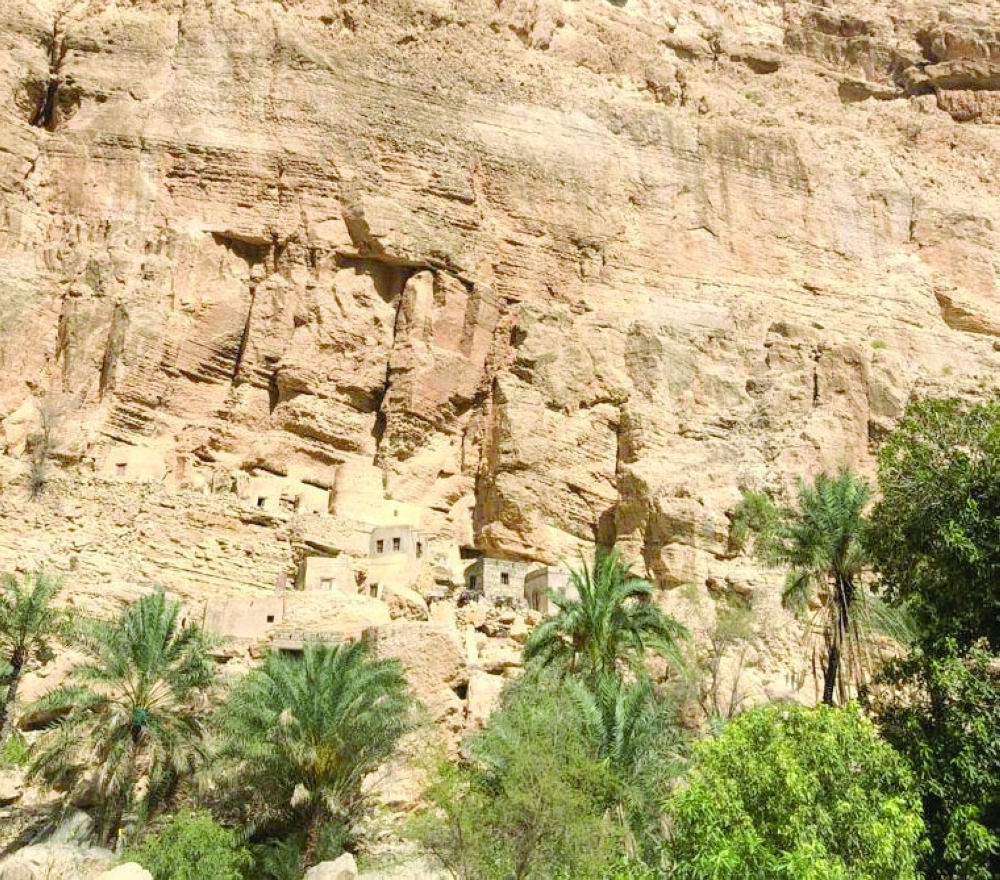
Oman is an excellent place for exploring gemstones, with Omani Agate and Quartz being the most commonly found stones. Gemstones can be extracted from various locations, including the Wilayat of Samayil, Saih Hatat in Muscat, Wadi Haibi in Sohar, and the mountains of Quriyat.
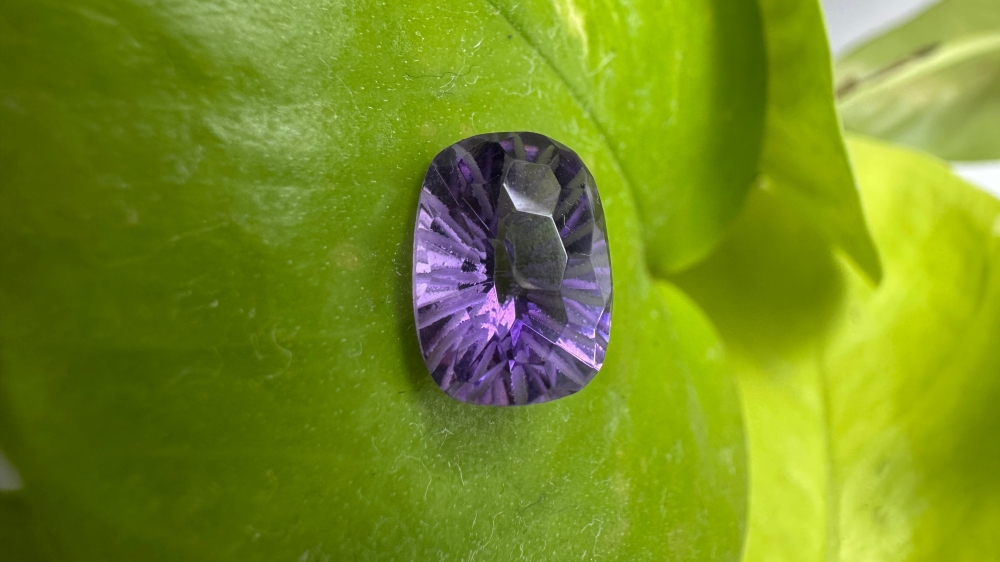
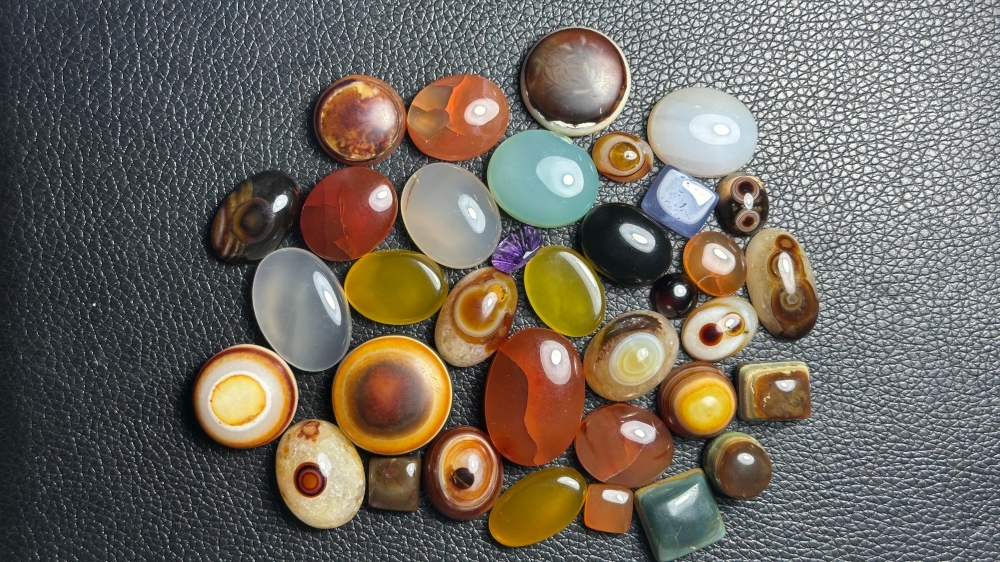
At first glance, one is captivated by the sparkling beauty of the gemstones, the formation of their layers, and the variety of stunning colours. This geological diversity stems from the classification of the rocks in which the gemstones originated, such as metamorphic, sedimentary, and igneous rocks. Each classification contains a unique list of gemstones.
Agate is extracted from igneous rocks and belongs to the silica family. It consists of silica dioxide mixed with iron oxide, and sometimes, certain agates may contain nickel.
Certain gemstones undergo treatment processes for enhancement. Heat treatment focuses on intensifying the stone's colour, making it darker. The glass treatment method alters the chemical properties of the stone, giving it a shiny, glass-like appearance. Treated gemstones can influence economic and investment value.
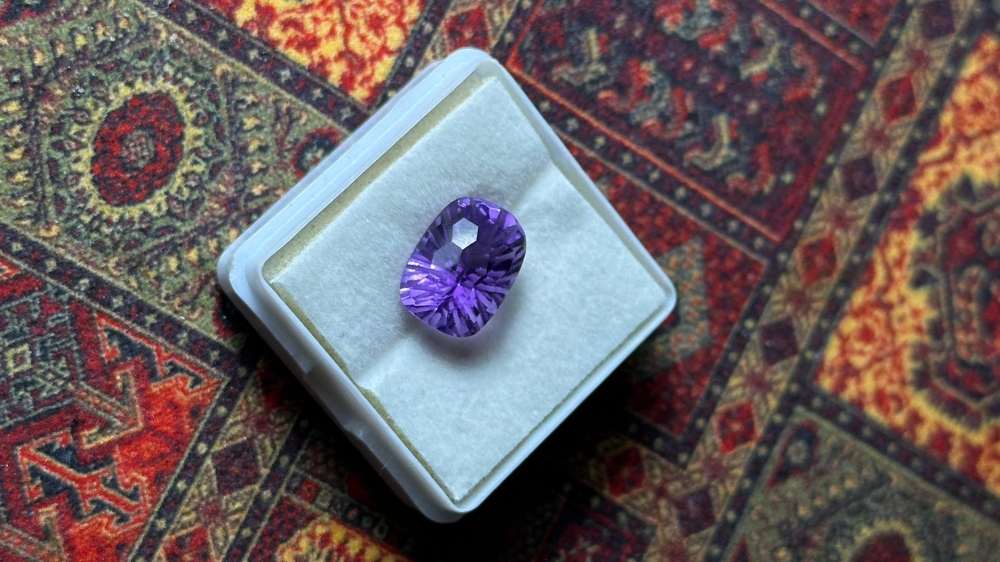
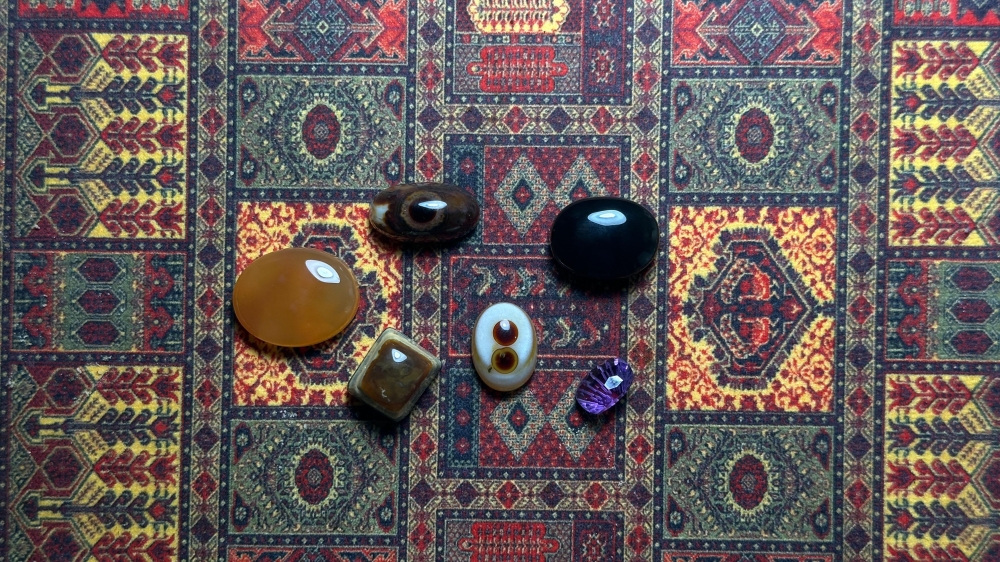
“The value of untreated gemstones increases over time because they have not been chemically altered and their properties remain unchanged, thus maintaining a high value. Conversely, the investment value of treated gemstones typically decreases, although there are exceptions. Some gemstones are challenging to treat, which can increase their value. A few countries, such as those in Africa, yield prized gemstones,” Muath shared.
He added, “For instance, the treated Star Sapphire appears red, while the untreated Star Sapphire is purple-grey.
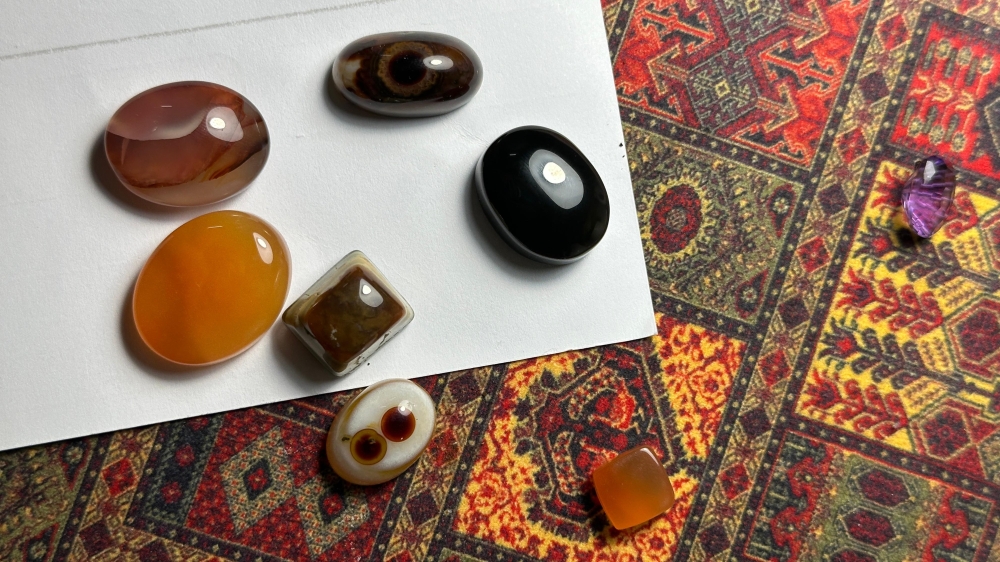
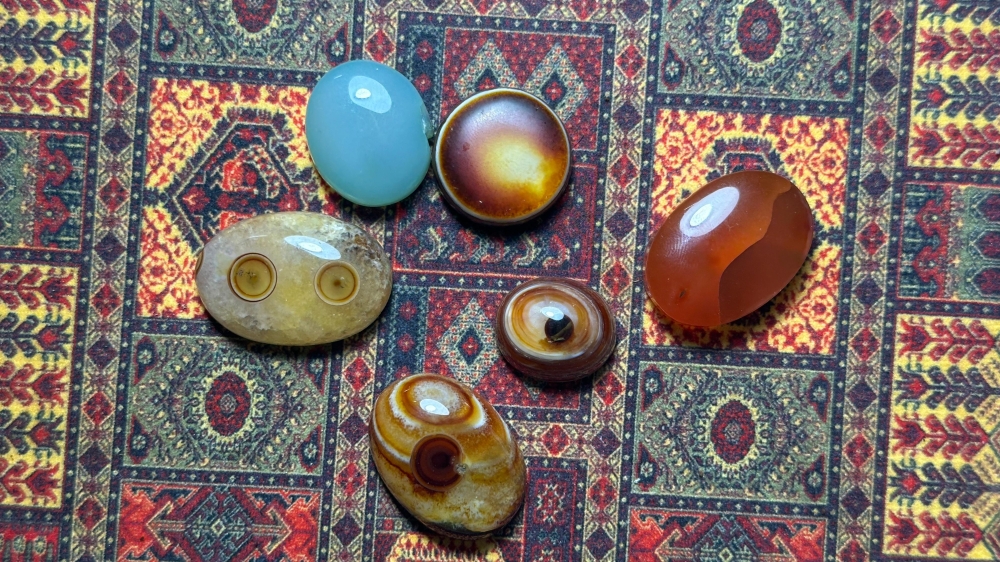
Additionally, the investment value of gemstones declines when they are abundant. In contrast, if a gemstone is scarce, like the ruby—which is a very dark red colour resembling the blood of a deer—it is considered rare and possesses significantly higher value compared to more readily available gemstones.”
Most gemstones do not deteriorate under natural conditions; however, a few can dry out and become brittle, making them susceptible to breaking. Opal, for example, forms in watery environments, making it essential to soak the stone in water for up to two days to ensure its preservation.
Oman Observer is now on the WhatsApp channel. Click here