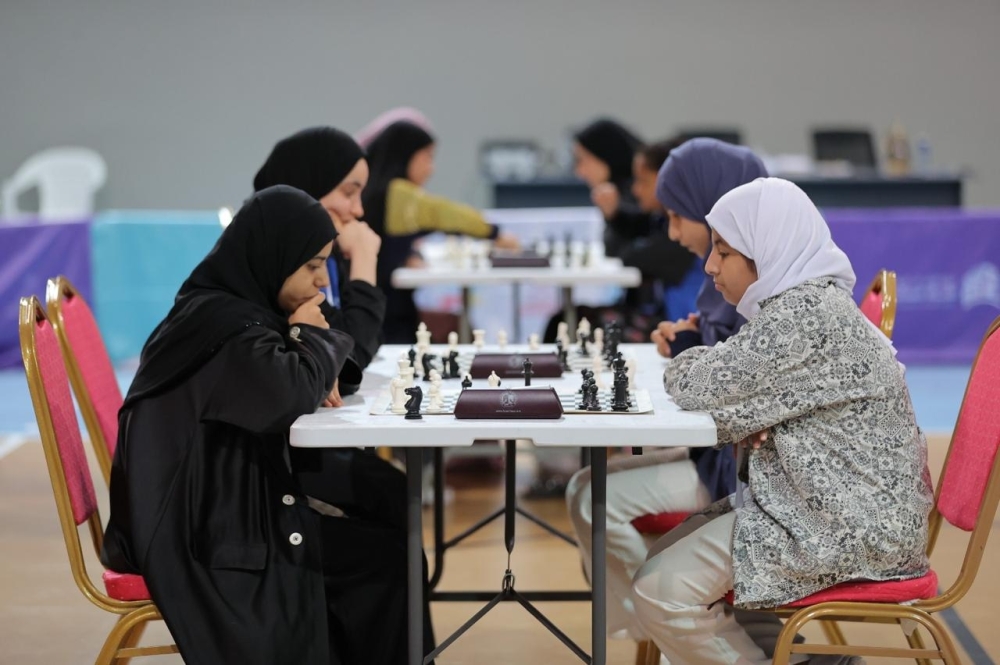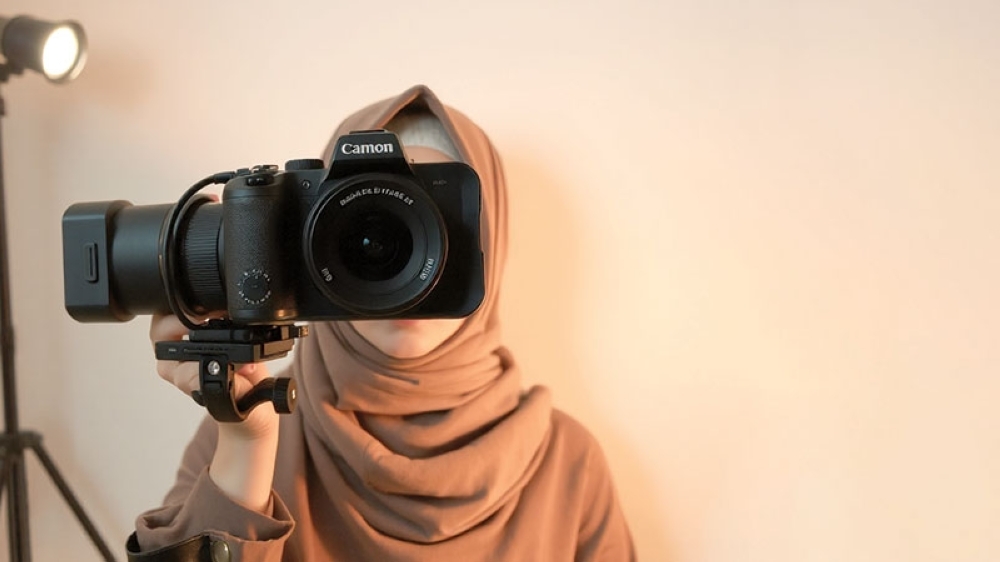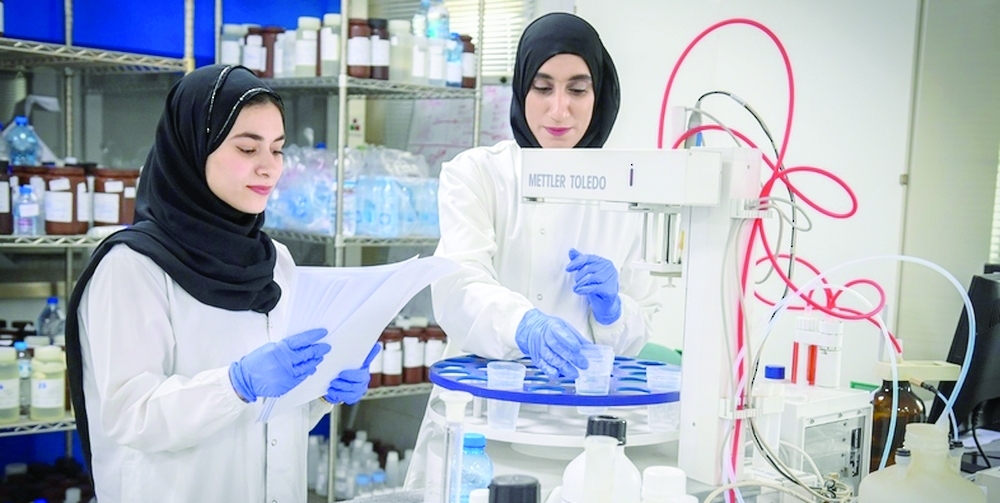





Sports have long been a male-dominated field, but Omani women are steadily breaking barriers and making significant strides across various athletic disciplines. From athletics to football, female athletes are proving their talent and determination, earning recognition on the global stage. Despite these successes, challenges such as societal expectations, limited opportunities, and inadequate professional support remain obstacles to further progress.
One of the key milestones in women’s sports in Oman is their increasing participation in international competitions. Notable athletes like Fatma al Nabhani and Aysha al Saidi have become role models, inspiring young girls to pursue their athletic dreams. “When I started training, I never imagined I would compete at an international level,” says Aisha al Saidi, an international table tennis (TT) referee. “The support from my coaches and teammates has been crucial, but women’s sports still need more visibility and investment.”
Despite these achievements, deep-rooted societal perceptions continue to limit opportunities. In certain communities, there remains resistance to women participating in competitive sports. “Many people still believe that sports are not suitable for women, especially those that require physical effort,” explains Fatma al Balushi, a university basketball player. “This mindset discourages many girls from following their passion.”
Family restrictions are another major hurdle. Many parents hesitate to allow their daughters to participate in sports, particularly in public events. Amna al Hadrami, a supervisor in female hostels at a college, highlights this challenge: “Every year, we struggle to convince parents to let their daughters join the university’s annual championships. Even when they agree, they insist that no photographs be taken of their daughters during the event.”
A critical issue affecting female athletes is the lack of financial support and training facilities. Compared to their male counterparts, women’s teams often face limited resources and sponsorship opportunities. “We train hard, but we don’t receive the same level of financial support,” says Aysha al Saidi. “For international competitions, I often have to buy my own tickets. If we want real progress, we need better investment in training programmes and sponsorship deals.”
However, change is on the horizon. Omani sports organisations are beginning to recognise the importance of supporting female athletes. A significant development has been the introduction of mandatory female representation in sports federations. Women are now playing a key role not only in competitions but also in organising and managing sports events. Additionally, initiatives such as university leagues and government-backed programmes are providing young girls with more opportunities to engage in athletics.
For Omani women in sports, the path forward is both promising and challenging. While they continue to break barriers and achieve success, greater social acceptance, financial backing, and media recognition are needed to sustain progress.
By addressing these issues, Oman can cultivate an inclusive sports culture where female athletes can thrive and inspire future generations.
Oman Observer is now on the WhatsApp channel. Click here