








MUSCAT, FEB 10
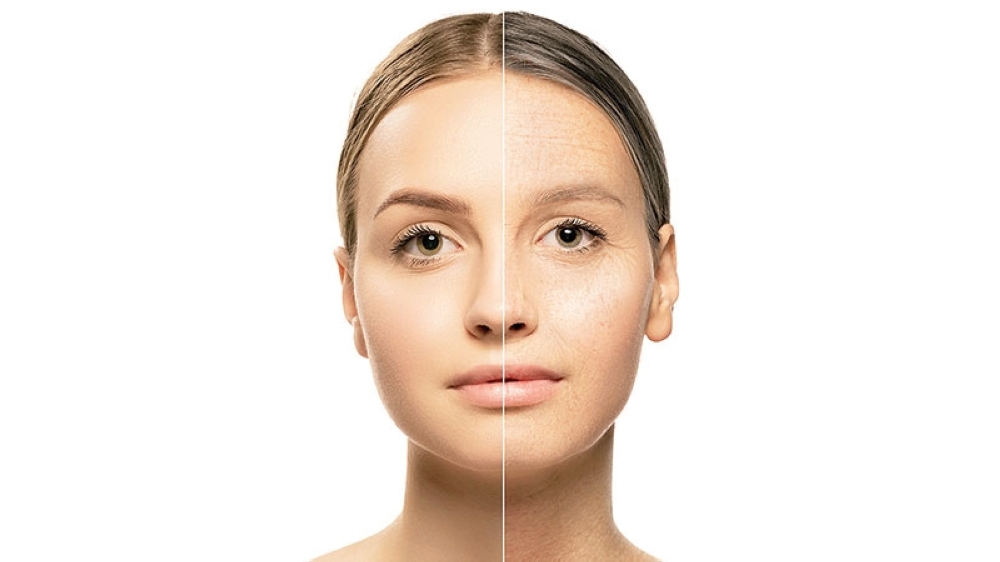
Salem was excited to meet the family of the girl he had always dreamed of marrying. He had prepared well, put on his best clothes and went with confidence, expecting that they had already seen him through the photos he shared with them on Snapchat. But he was disappointed when the response came later. “We apologise... Your face in reality does not resemble your photos on Snapchat!” But the story is not about Salem alone. It is about a generation that lives in two versions: the real version and the filtered digital version.
Snapchat and Instagram filters are no longer just tools to improve lighting or modify colours, but have become a means to completely change the features of the face. These filters can give you flawless skin, wide eyes, a thinner face and a brighter smile. With each edited photo, the difference between the real and digital appearance becomes greater, until the person begins to feel that his/her natural appearance is not good enough.
Here lies the real problem: What happens when a person begins to prefer his digital image over his real image? Dr Ahmed al Kharousi, a consultant psychiatrist, says: “Excessive reliance on digital filters creates what is called ‘self-image distortion disorder’, where the person begins to see his/her natural appearance as unacceptable. Over time, he or she avoids taking real photos and then avoids appearing in social gatherings without effects. Some cases reach depression and social anxiety, especially when the person faces ‘reality shock’ when meeting others face to face.” When we spoke to some youths, the answers were alarming. Many said they feel more confident when posting photos with filters while others admitted they avoid taking photos without filters.
Zamzam, a 26-year-old, says “Every time I take a photo without a filter, I feel like I look tired or pale. I no longer like seeing myself in the mirror as I am. Filters make me feel more beautiful, but when people see me in real life, I notice their different looks, as if they expect someone else.” Majed, a 30-year-old, admits that filters have made him live a double life. “On social media, I appear to be a confident and attractive person, but when I go out in real life, I feel much less so. It’s as if I live with two different personalities.” The effects of digital filters are not limited to people’s self-confidence, but have also begun to extend to social and emotional relationships. Salem al Wahaibi says some people have become afraid to appear without filters to the point that they prefer to communicate via text messages instead of video calls.
Dr Ahmed al Salmi says, “When a person relies excessively on filters, they begin to lose confidence in their real appearance and this creates social fears. This can lead to isolation, or frustration when receiving unexpected reactions from others.”
Khaled al Saadi believes that there is a fine line between improvement and fakery. “Everyone wants to look their best and this is not wrong. But when filters become a means of changing the real identity, it becomes a problem. In the end, strong relationships are built on honesty, not on modified images.” Prof Adel al Hussaini, an expert in social relations, warns of the impact of filters on romantic relationships. “If a person starts a relationship based on an unreal image, s/he may later face challenges in gaining a partner’s trust. Successful relationships are based on realism and acceptance, not ideal expectations.”
How can we prevent social media from negatively affecting our self-confidence?
Here are some tips according to psychological experts: 1. Filters can be used in moderation, but avoid exaggerated changes to your features 2. Learn to love your natural appearance, as it is part of your identity 3. Most of the photos you see on social media are edited, so avoid comparison 4. If you are looking for a real relationship, make your real image part of it
Oman Observer is now on the WhatsApp channel. Click here


