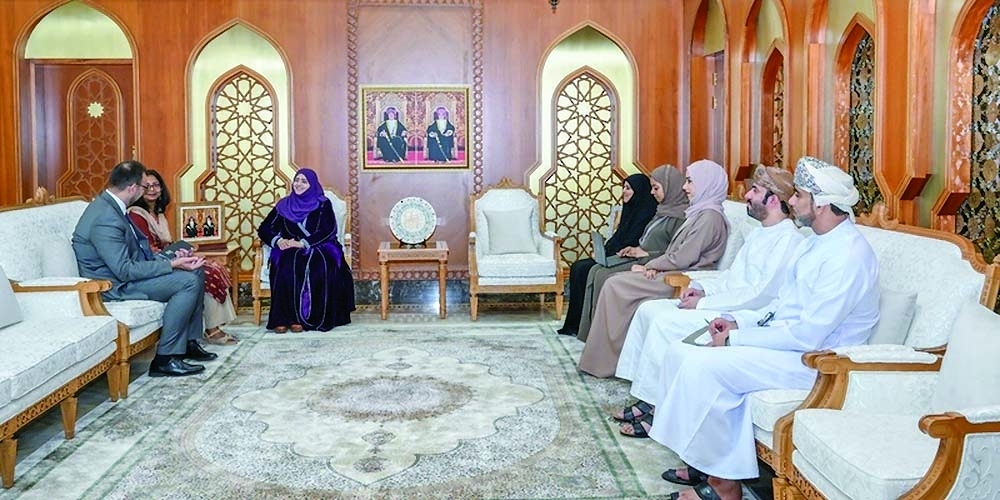





MUSCAT: The Ministry of Social Development (MoSD) is actively collaborating with relevant authorities to enhance partnerships that improve services for children of unknown parentage and ensure they grow up in a safe and supportive environment.
Oman’s alternative care system was established in 1988 and is governed by the Child Law, issued through Royal Decree No 22/2014, which guarantees the rights and protections for children without family care.
The law defines alternative care as services provided to children temporarily or permanently separated from their natural families, including orphans and children of unknown parentage.
The executive regulations, outlined in Ministerial Resolution No 129/2019, further detail the foundations of the alternative care system, which includes foster care through the Child Care Centre, youth hostels, financial and educational sponsorship, and placement in suitable foster families.
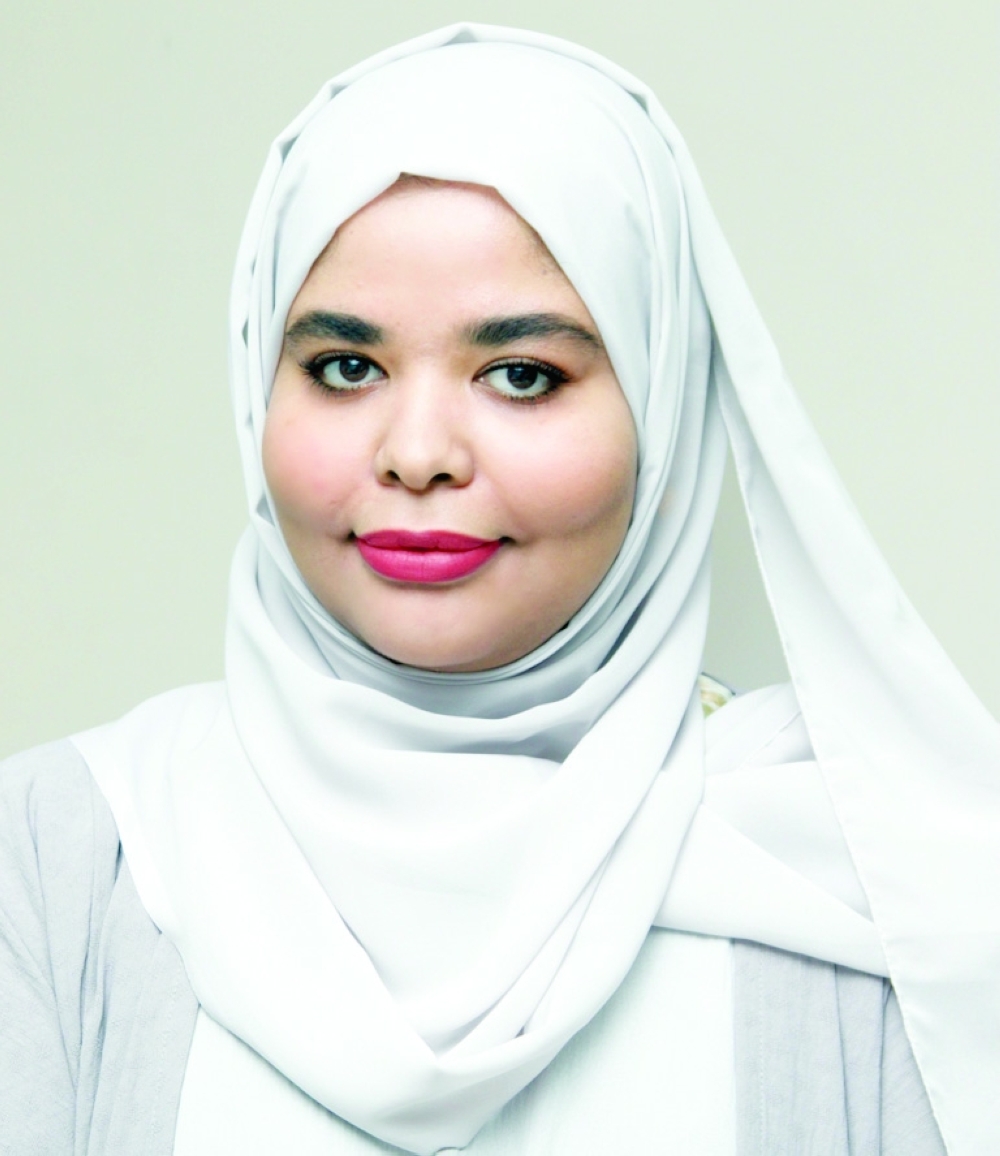
Aisha bint Mansour Al Bahri, Head of the Alternative Care Department, MoSD, highlights that the Ministry is dedicated to ensuring the well-being of these children by simplifying procedures for identity documentation, facilitating access to essential services, and improving coordination among partner agencies to streamline support mechanisms.
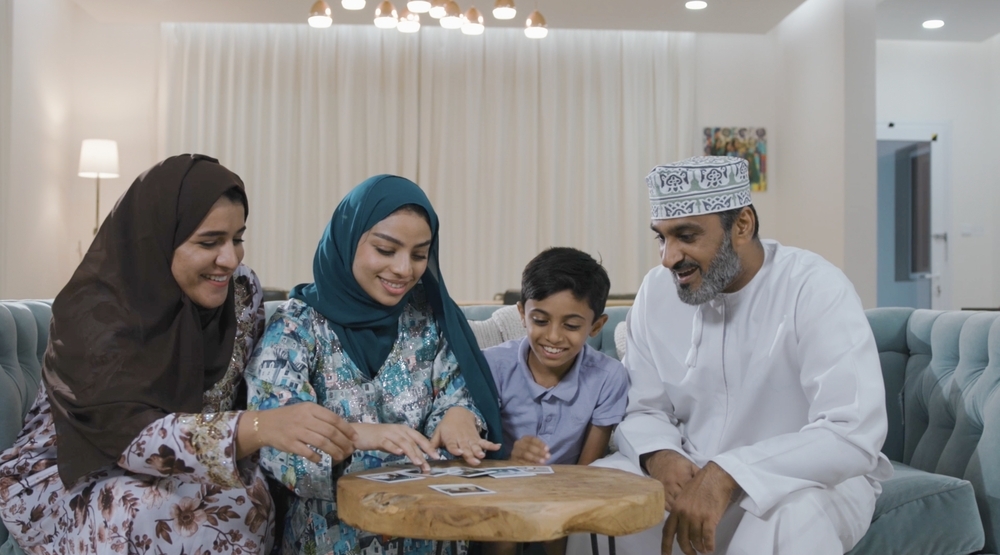
To strengthen the fostering system, the Ministry has launched several initiatives, including: The National Guide for Child Care in Foster Families, a four-edition document outlining clear standards and responsibilities for foster families. Revised fostering regulations, ensuring that alternative families meet children's psychological and social needs and a specialised training programmes for foster families, educating them on how to provide emotional and social support to foster children.
Beyond fostering, the Ministry is committed to integrating children into society by supporting their enrollment in universities and vocational training programmes to prepare them for stable careers. They also offer professional skills training to improve employability and encourage participation in community initiatives to boost self-confidence. Another aspect is in providing financial support and entrepreneurship training for those looking to establish their own businesses.
Al Bahri also emphasised the strict selection criteria for foster families, including financial stability, medical fitness, psychological readiness, and good social standing. A thorough application and evaluation process ensures that only eligible families receive approval to foster children.
According to Ministry statistics, 15 newborns were placed in care in 2024, up from eight in 2023. Currently, 379 children (35.8 per cent of the total 1,057) are in foster families, significantly outnumbering the 38 children (23.75 per cent of the total 160) in institutional care.
A regional breakdown shows that Muscat and Al Batinah Governorates account for 70 per cent of foster cases, with Muscat housing 375 children (35.5 per cent) and North Al Batinah 288 children (26.77 per cent). Other governorates also contribute, albeit in smaller numbers.
By promoting foster care over institutional placement, Oman aims to provide vulnerable children with a nurturing family environment that supports their psychological, social, and educational growth, ensuring a brighter future for all.
Oman Observer is now on the WhatsApp channel. Click here