For decades, Oman has recognized infrastructure as the backbone of economic growth. But nowhere is this more evident than in Dhofar Governorate, where a wave of transformative projects is reshaping the region’s economic landscape. From roads and logistics to tourism and industrial expansion, these developments are more than just construction—they are calculated investments in economic resilience, sustainability, and future-proofing the Sultanate’s second-largest governorate.
Outlined here are some of the pivotal initiatives that promise to deliver economic returns over the long-term:
Raysut-Mughsail Dualization: The cost of connectivity
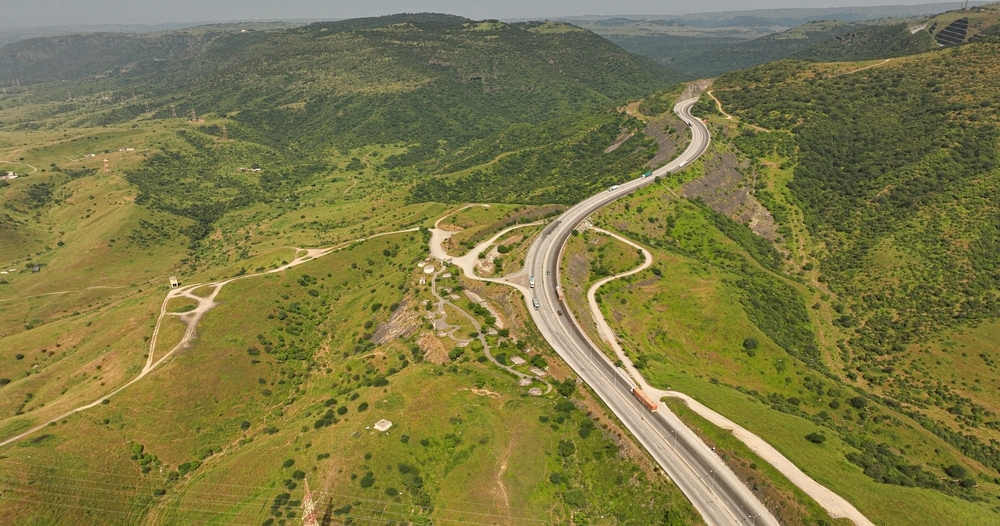
One of the most critical projects in Dhofar’s infrastructure plan is the RO 35 million ($90.9 million) dualization of the Raysut-Mughsail Road. Spanning 33 kilometers, this initiative is more than an upgrade—it is a strategic move to enhance logistics, facilitate trade, and boost tourism revenues. The project includes six overpasses and underpasses, cutting down travel time and reducing fuel consumption, a significant factor in improving Oman’s transport efficiency.
The economic argument for this project is compelling. With tourism identified as a key pillar of Oman Vision 2040, easing access to iconic sites like Mughsail Beach is crucial. Yet, while improved roads drive visitor numbers, real economic returns will only materialize if the government successfully leverages this infrastructure for broader commercial and investment opportunities. Without complementary services—hotels, transport hubs, and commercial centers—Dhofar risks seeing improved mobility without a corresponding economic multiplier effect.
Road Network Expansion: Catalysing growth
Dhofar’s logistics ecosystem is finally getting the attention it deserves, with multiple road expansion projects aimed at streamlining business operations and trade. Among them: Al Farooq Road Dualization (RO 4.5 million) to enhance connectivity within Salalah’s economic hubs; Sultan Taymour Road Dualization (exceeding RO 5 million) to strengthen commercial movement; Rabat Street Bridge at Al Nahda Intersection to cut congestion bottlenecks in the city center; and Atin Tunnel at 18th November Street (over RO 7 million) to smooth urban transit.
If these projects are executed effectively, they will reduce logistical costs, increase freight efficiency, and improve the ease of doing business. However, they also represent a cautionary tale: road infrastructure alone cannot unlock economic potential unless it is coupled with clear investment incentives, regulatory efficiency, and diversified economic activities that drive utilization.
Tourism: Unlocking Dhofar’s transformative potential
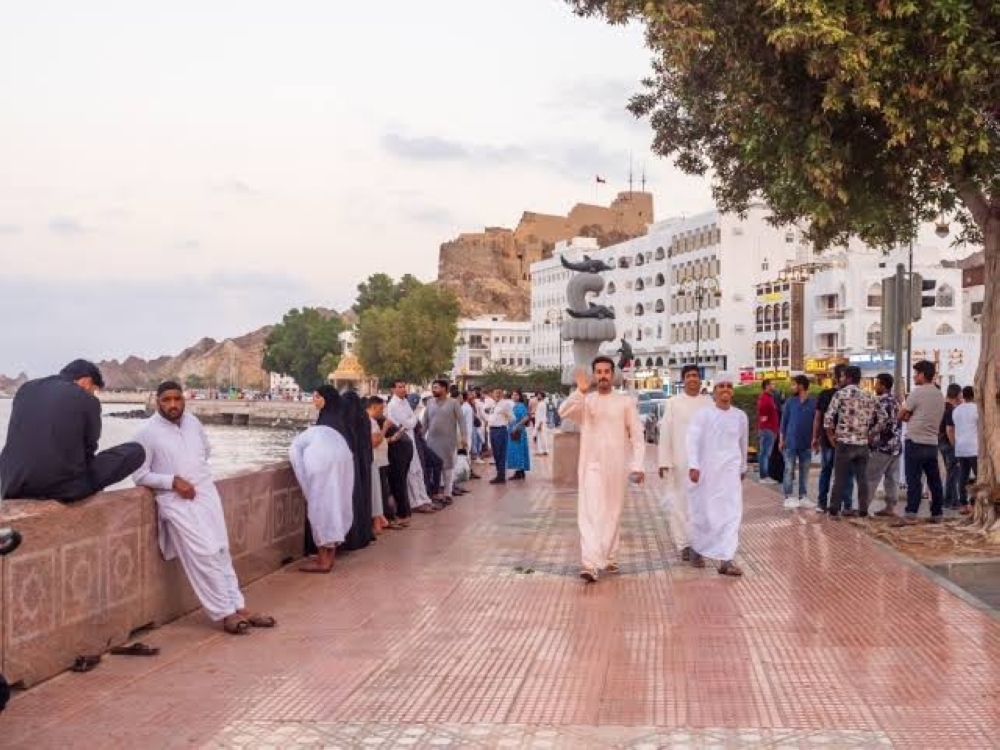
For years, Dhofar’s tourism sector has been overshadowed by Muscat’s dominance. However, infrastructure investments in tourism are finally gaining traction, with projects like: Waterfront development in Awaqad, Dahariz, and Shuwaymiyah, designed to elevate Dhofar’s coastal appeal; Atin Natural Park, which promises to drive higher visitor spending and extended stays; Shaat Viewpoint in Rakhyut, an initiative that could put Dhofar’s natural wonders on the global tourism map; and “Boulevard Al Razzaz” in Salalah, an urban entertainment hub aiming to diversify revenue streams beyond seasonal tourism.
But while these projects hold immense potential, Dhofar’s real challenge isn’t just building attractions—it’s creating a sustainable tourism ecosystem. A stronger private sector role is essential; without it, these projects risk being underutilized assets rather than economic engines.
Climate Resilience: Preparing for the unavoidable
Dhofar’s monsoon season is both a tourism draw and an infrastructure challenge. Heavy rains have historically strained the governorate’s urban areas, prompting investments in stormwater drainage systems exceeding RO 3 million in Salalah.
While this investment is necessary, it also underscores a deeper issue: Oman must future-proof its cities against climate-related economic risks. Investing in stormwater systems is a start, but real resilience comes from smart urban planning, climate-adaptive construction, and stricter environmental impact assessments for all future infrastructure projects.
Agriculture & Industry: Ensuring investments deliver
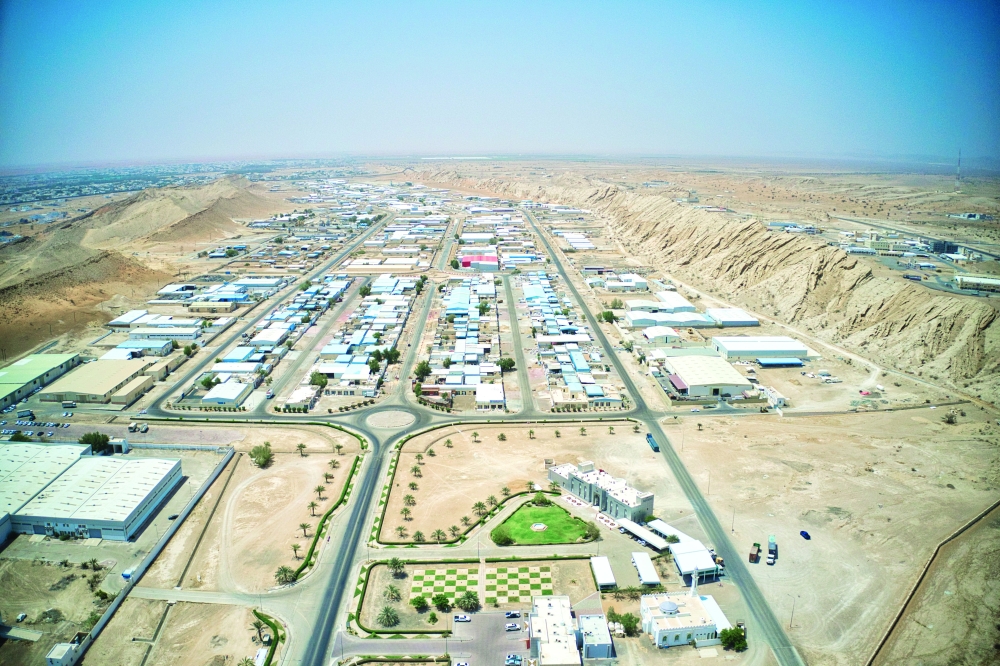
Dhofar isn’t just betting on roads and tourism. It’s also making strategic moves in agriculture and industrial development. Najd Agricultural City stands as a potential game-changer for Oman’s food security and trade, leveraging its proximity to Saudi Arabia and Yemen for cross-border commerce. The expansion of Raysut Industrial City signals Oman’s commitment to industrial diversification and export-driven manufacturing.
These projects are promising, but execution will determine their success. Will the right investment policies be in place to attract businesses? Without strong incentives, tax breaks, and clear pathways for private sector participation, these zones could struggle to achieve their ambitious targets.
Healthcare: The hidden economic driver
Infrastructure isn’t just about roads—it’s about people. The new Sultan Qaboos Hospital in Dhofar, with 700 beds and an investment of RO 138 million ($358 million), is a significant step toward improving healthcare services and workforce productivity.
Quality healthcare isn’t just a social good—it’s an economic imperative. A healthier population leads to a more productive workforce, lower absenteeism, and a stronger human capital index, which is crucial for long-term economic competitiveness.
Dhofar’s infrastructure strategy
Oman’s investments in Dhofar’s infrastructure are a bold step toward economic transformation, but success will depend on more than just construction deadlines and budget allocations.
For these projects to deliver real economic returns, Oman must:
• Ensure private sector integration – Roads, bridges, and tourist spots alone won’t drive economic growth unless businesses are incentivized to invest in surrounding services and industries.
• Reduce regulatory bottlenecks – Infrastructure must be matched by pro-business policies, streamlined licensing, and investment-friendly regulations.
• Sustain long-term funding – Infrastructure requires continuous maintenance and upgrading. Sustainable financing models, including public-private partnerships (PPPs), will be essential.
• Focus on human capital development – A skilled workforce is as crucial as physical infrastructure. Education, vocational training, and digital transformation must accompany these investments.
The road ahead
Dhofar’s infrastructure push is an opportunity for Oman to set a national precedent—a model for balancing economic expansion with sustainability, investment attraction with regulatory reform, and urban growth with environmental resilience.
But infrastructure, no matter how well-designed, isn’t an economic strategy on its own. It is an enabler, a foundation—a means to an end, not the end itself. If Oman seizes this moment wisely, Dhofar won’t just be a more connected and accessible governorate—it will be a regional economic powerhouse.
The author is the head of Oman Observer's Business section
Oman Observer is now on the WhatsApp channel. Click here