




Muscat - Naming Omani leaders and figures after achievements and landmarks in the Sultanate of Oman reflects the vision of His Majesty Sultan Haitham bin Tarik in preserving the ancient Omani cultural and historical heritage and promoting national values and identity.
Anyone observing this scene throughout the ages will find the historical roots of Oman, as it possesses a long-standing legacy that extends back thousands of years, which Omanis contributed to shaping various fields, and the human and intellectual dimension became an essential part of the national identity, strengthening its strategic geographical location and its interaction with other human civilizations.
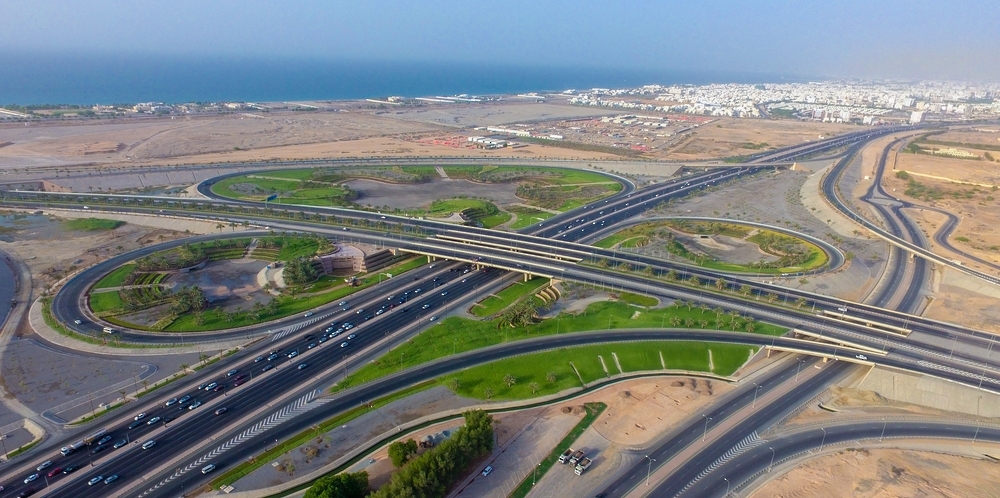
The royal directives came to name some of the main roads in the Sultanate of Oman with historical national names, as this has a civilized dimension that immortalizes the ancient history of Oman.
The name of Sultan Thuwaini bin Said was given to the road linking the governorates of Muscat, Al Dakhiliyah, Al Dhahirah, and Al Buraimi, the name of Sultan Turki bin Said was given to the Sharqiyah Expressway, the name of Sultan Faisal bin Turki was given to the Khasab-Lima-Daba Road in Musandam Governorate, the name of Sultan Taimur bin Faisal was given to the Al Batinah Coastal Road, the name of Sultan Said bin Taimur was given to the Nizwa-Salalah Road, and the name of Sultan Qaboos was given to the Muscat- al Batinah Road, to be added to a series of landmarks bearing the names of the early Omani figures, including camps, military bases, schools, mosques and scientific halls in educational institutions.
Dr. Mahmoud bin Abdullah al Abri, Secretary of the Omani National Commission for Education, Culture, and Science, points out the high directives of His Majesty Sultan Haitham bin Tarik al Said. These names are not just traffic signs, but rather bridges that connect current and future generations to the ancient history of their homeland, and enhance national identity and belonging.
He added that naming strategic roads after Omani Sultans sends a clear message that embodies the pivotal role played by these leaders in shaping Omani history. Throughout the ages, Oman has been a center for cultural and commercial communication and emerged as a maritime and cultural power that influenced its regional and international surroundings. Accordingly, the names of these Sultans remind citizens, residents, and visitors of their prominent contributions to building the state and consolidating its position from an intellectual and humanitarian perspective.
This step contributes to enhancing community awareness of the country’s history and motivates young people to research and delve into the personalities who carried the banner of the Renaissance in different periods.
This initiative employs the symbolic dimension of history in the architectural and cultural landscape, which enhances the value of historical knowledge, which represents an integral part of sustainable development.
He stressed that this step has a deep cultural dimension, as it is not just a commemoration of historical symbols, but rather an open invitation to draw lessons from the past and enhance the spirit of pride and appreciation for the Omani identity, which contributes to preserving the national memory and passing it on to future generations.
Dr. Mohammed bin Saeed al Muqaddam, a researcher in Omani historical affairs, says that the royal directives regarding naming roads are an extension of naming some landmarks in the Sultanate of Oman after the Sultans of Oman.
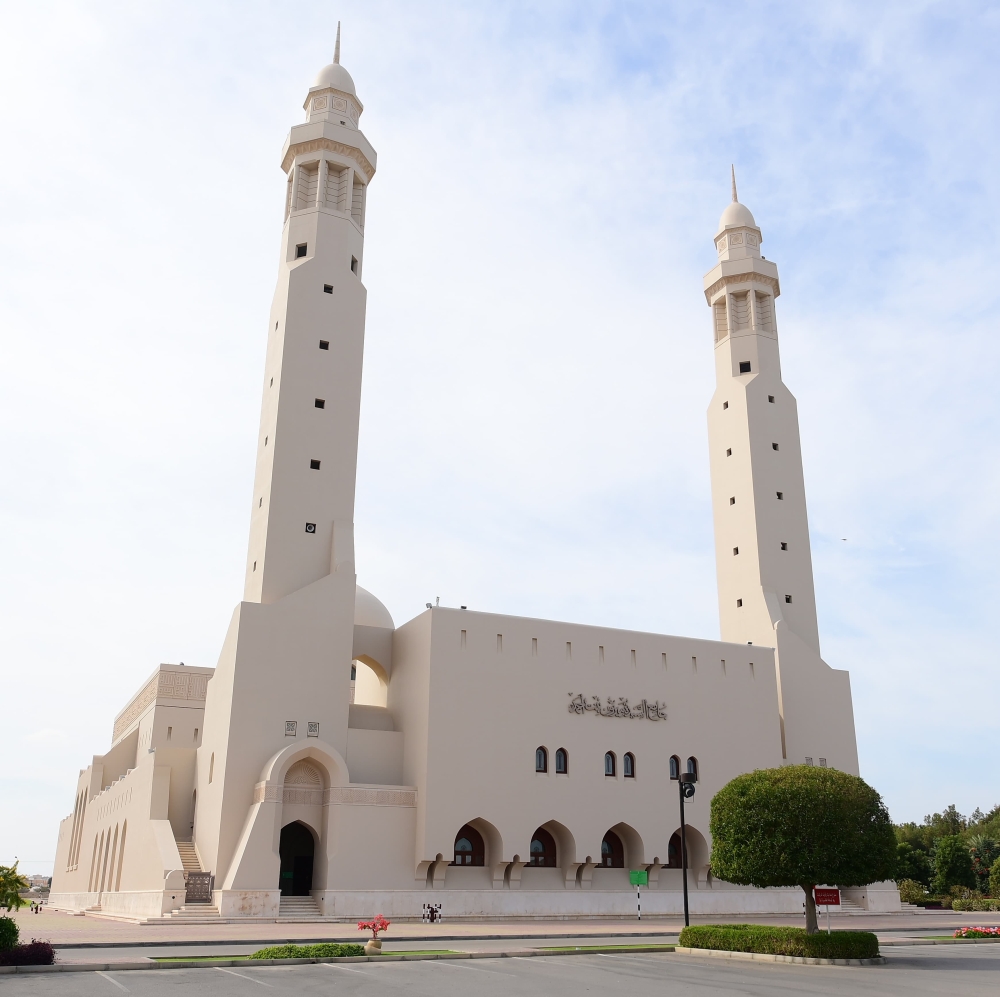
He explained that this trend, which was established a long time ago, comes in a civilized context to introduce Omani history. "We can mention some schools in the governorates of the Sultanate of Oman that bear the names of prominent Omani sultans and imams, such as Turki bin Said School, Nasser bin Murshid School, Ahmed bin Said School, Said bin Taimur School, Faisal bin Turki School, Taimur bin Faisal School, Sayyida Maizoon bint Ahmed School, and Ahmed bin Majid School, in addition to mosques, Al Muhallab bin Abi Sufra mosque and Al-Midmar Mosque in Samayil, which is associated with the first person to convert to Islam from the people of Oman, the great companion Mazen bin Ghadoba, and Sultan Said bin Taimur Mosque, Sayyida Fatima bint Salem Mosque, Sayyid Tariq bin Taimur Mosque, Azzan bin Qais Mosque, and Abdullah bin Ibadh Mosque.
Oman Observer is now on the WhatsApp channel. Click here