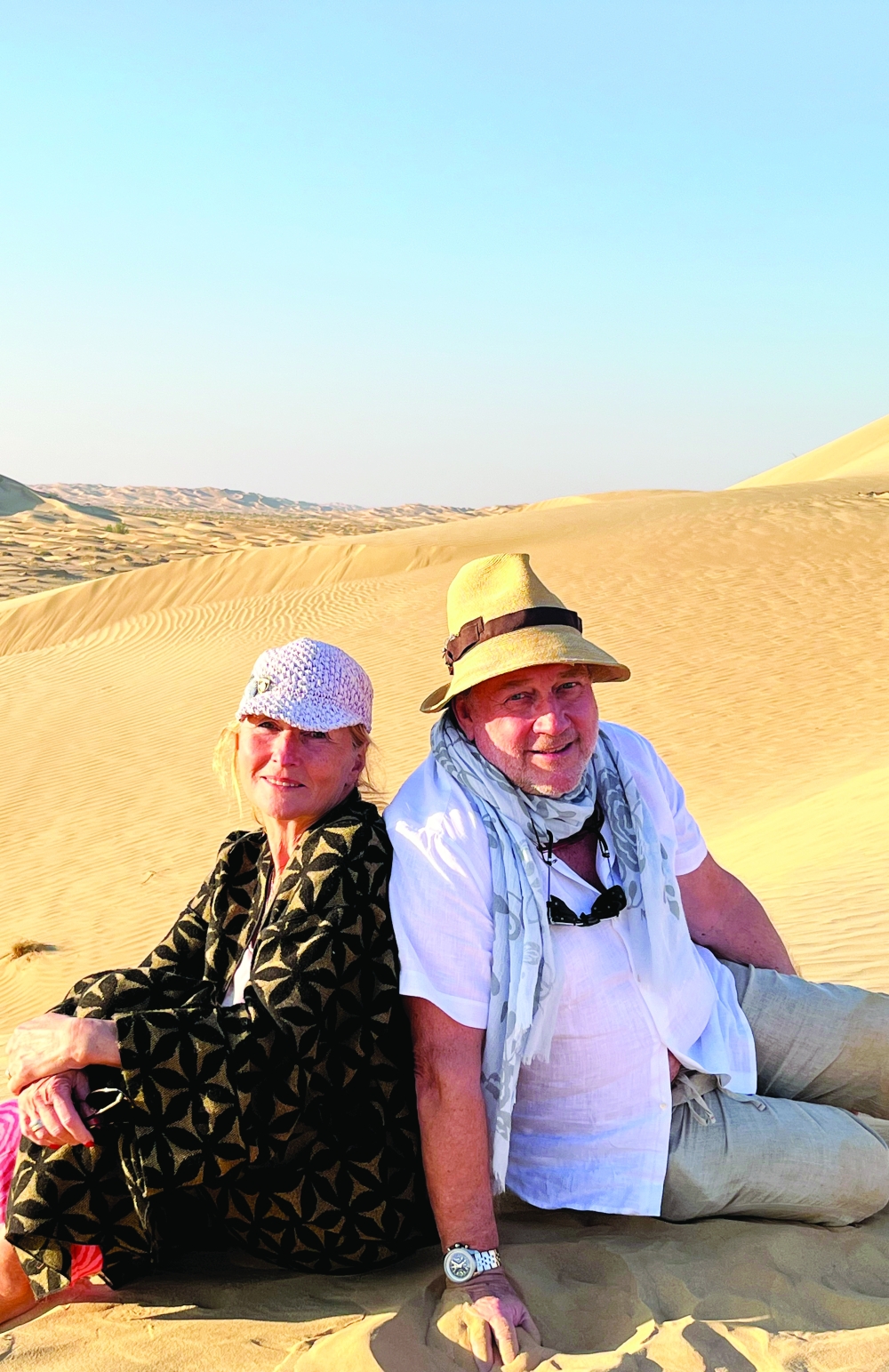





Harold Faltermeyer, a two-time Grammy Award-winning composer celebrated for his iconic scores such as the ‘Top Gun Anthem’ and ‘Beverly Hills Cop’, recently visited Salalah.
Captivated by its natural beauty and tranquillity, he shared insights on his musical journey, the evolution of the industry, and his newfound inspiration in Salalah. In a candid conversation with the Oman Observer, Faltermeyer reflected on his past, present, and future in music:
Musically, how do things differ from the 1980s, when you won two Grammy Awards, to now?
The landscape has changed significantly. In the past, large studios and expensive equipment were essential for music creation. Today, technology has made the process considerably more accessible. Composers can now create with minimal resources, and sound storage is far more efficient. While this accessibility is advantageous, it also necessitates that composers continually innovate to avoid what I term “musical pollution”—the practice of reusing pre-made sounds without creativity.
Has the audience changed? Have you had to evolve your style to remain relevant?
Absolutely. A composer must adapt to the times, taking into account sociological and political influences. Stagnation leads to obsolescence. For me, the challenge lies in striking a balance—preserving my signature style while integrating modern elements. I adjust instruments and sounds to align with my artistic vision rather than using them in their original form.
Could you share details about your current and upcoming projects?
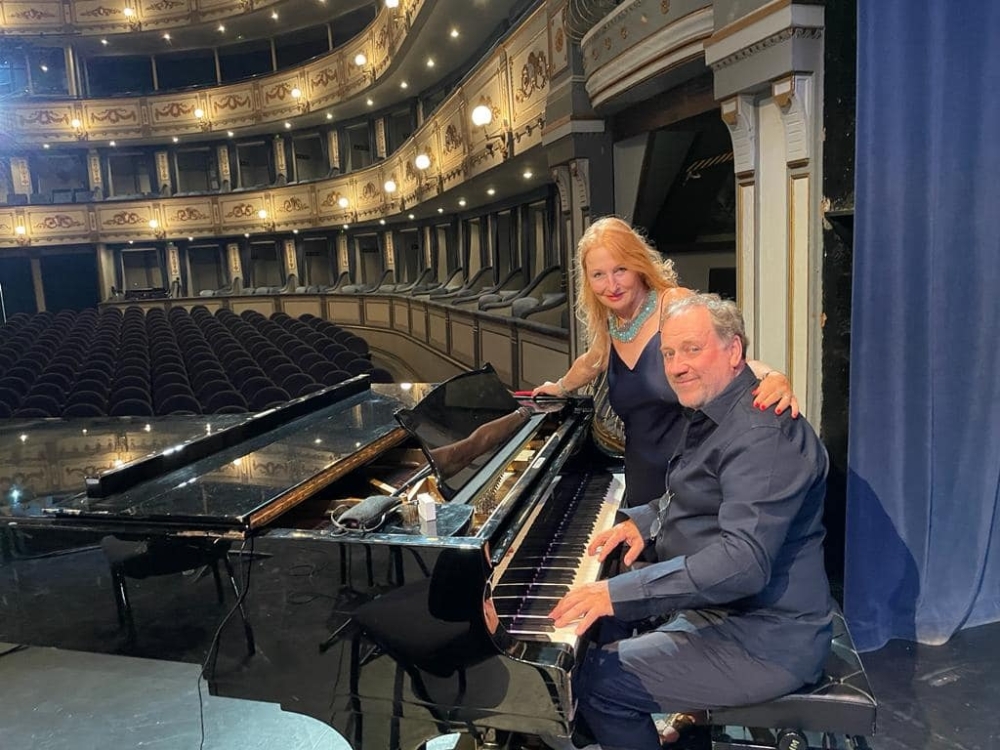
I have chosen to step away from composing for films. After the global success of ‘Top Gun: Maverick’, I felt there was no greater milestone to achieve. Instead, I am focusing on theatrical productions, which allow for greater creative freedom. Unlike films, which require meticulous frame-by-frame work, theatre enables me to explore multiple genres—from classical to jazz to pop. I recently completed a successful musical in Germany, and I found the process profoundly rewarding.
You’ve composed some legendary scores. Are there any interesting stories behind them?
One of the more amusing anecdotes concerns the creation of the ‘Top Gun Anthem’. Initially, I composed a brief melody for a scene in an entirely different film about a character aspiring to be a baseball star. While I was developing it, Billy Idol, who was working in a neighbouring studio, heard the tune and assumed it was connected to ‘Top Gun’. His interest sparked the thought that perhaps he was onto something! Later, when I was approached for ideas regarding ‘Top Gun’, I played that melody, and the rest, as they say, is history.
Every musician has a golden period. When was yours?
Without a doubt, it was the 1980s. That period marked the beginning of my innovative approach to film scoring, starting with ‘Beverly Hills Cop’. At that time, comedies typically utilised grand orchestras, but I introduced electronic scoring, which revolutionised the industry. The true measure of success is when others begin to imitate your work. Winning two Grammys in 1986 and 1987 confirmed I was on the right path.
Is there anything left for you to achieve?

At this stage, my aspirations are quite simple: to maintain good health, cherish moments with my family, and enjoy my music.
Who inspired you as a musician?
I have always been captivated by romantic operas—particularly the works of composers like Verdi and Puccini. Upon moving to America, I became enamoured with the West Coast sound, including bands such as the Eagles, Doobie Brothers, Toto, and Earth, Wind & Fire. I eventually had the privilege of collaborating with many of them, which was an extraordinary experience.
Have you explored Arabic music and its instruments?
Certainly! I have integrated Oriental instruments into my work, notably in the video game ‘Two Worlds’, which featured themes of lost cities and ancient cultures. Arabic music is incredibly rich—both vibrant and deeply rooted. During my visit to Oman’s desert, I was captivated by traditional music. Instruments like the Oud provide a unique texture that I would relish the opportunity to experiment with further.
How has Salalah influenced your artistic vision?
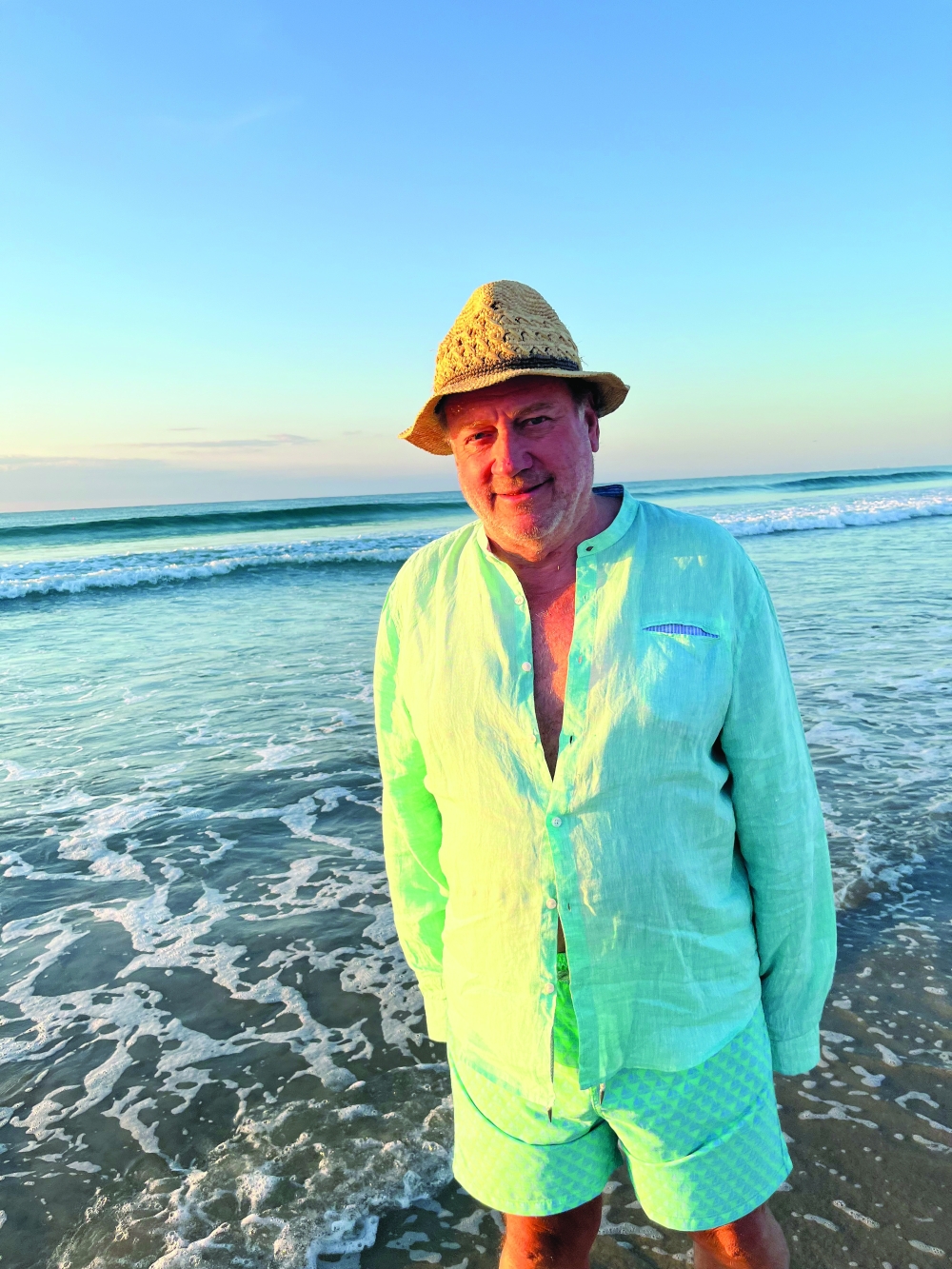
The beauty and tranquillity of Salalah have been profoundly inspiring. I find great solace in sitting by the shore and contemplating—it's akin to meditation. The ancient architecture also intrigues me; it harmoniously blends with nature, much like the traditional Alpine homes I admire in Germany and Austria. This connection to the environment resonates deeply within me. I have been so moved by Salalah that I intend to dedicate some music to this remarkable place.
Salalah has left a lasting impression on Harold Faltermeyer. His visit has indelibly marked him, just as his music has touched the world. His passion for exploration and innovation continues to thrive, proving that creativity knows no bounds—whether in Hollywood or amid the serene landscapes of Oman.
Oman Observer is now on the WhatsApp channel. Click here