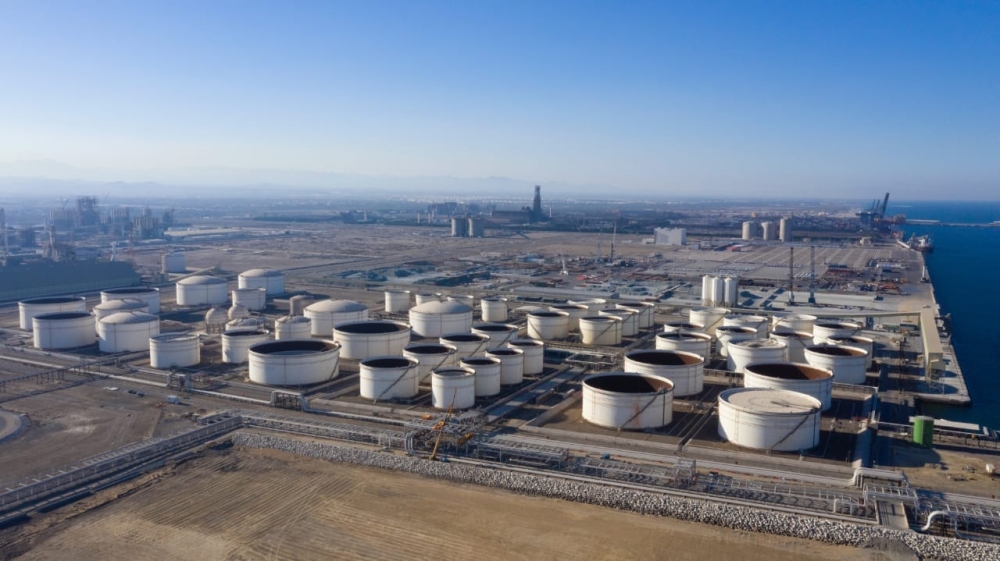





MUSCAT: The industrial sector remains a key driver of Oman’s economy, contributing RO 4.09 billion to the Gross Domestic Product (GDP) at current prices by mid-2024, accounting for 19.5% of the total GDP. This growth is fueled by the expansion of manufacturing industries, which contributed RO 2.19 billion (10.5% of GDP), significantly boosting economic activity and job creation.
Industry experts emphasize the crucial role of supply chains in enhancing production efficiency and product quality, which strengthens Omani industries’ competitiveness in both local and global markets. Strengthening supply chain integration across sectors—especially with logistics and transportation—has further accelerated manufacturing growth and export potential.
Dr Ibrahim bin Ali al Balushi, CEO of Karwa Motors, highlighted that the rise in industrial output reflects the success of government policies aimed at economic diversification. He noted that Oman has worked to reduce reliance on oil by advancing various industries, including manufacturing, mining, petrochemicals, and food production.
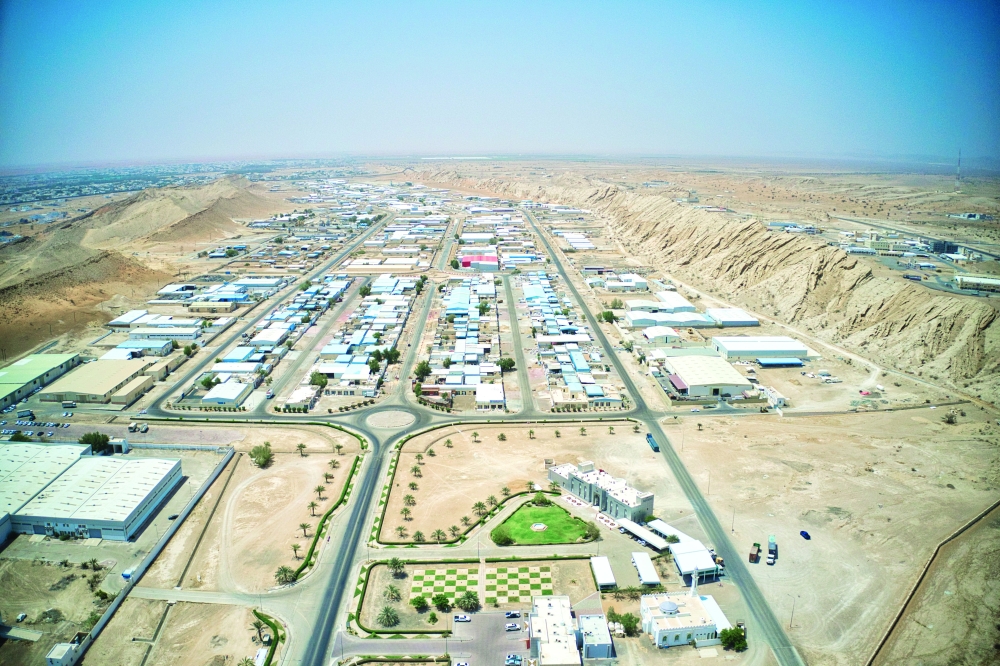
The government has facilitated this growth by developing specialised industrial zones such as Sohar Industrial City, Duqm Industrial Zone, and the free zones in Salalah and Al Mazyouna. These zones provide modern infrastructure, easing industrial operations and boosting the competitiveness of Omani-made products.
Dr Al Balushi also stressed the importance of adopting Fourth Industrial Revolution technologies, such as automation and artificial intelligence, to enhance production efficiency and market competitiveness. He pointed out that Oman is prioritizing the integration of small and large industries within supply chains, helping SMEs play a vital role in the broader industrial landscape.
Eng Khamis bin Mohammed al Alawi, General Manager of the General Company for Leather Industries, commended the collaborative efforts of the government and private sector in driving industrial success. He noted that Oman’s diverse industrial base—including food, oil, mineral, and leather industries—has gained a strong foothold in regional markets due to high-quality production standards.
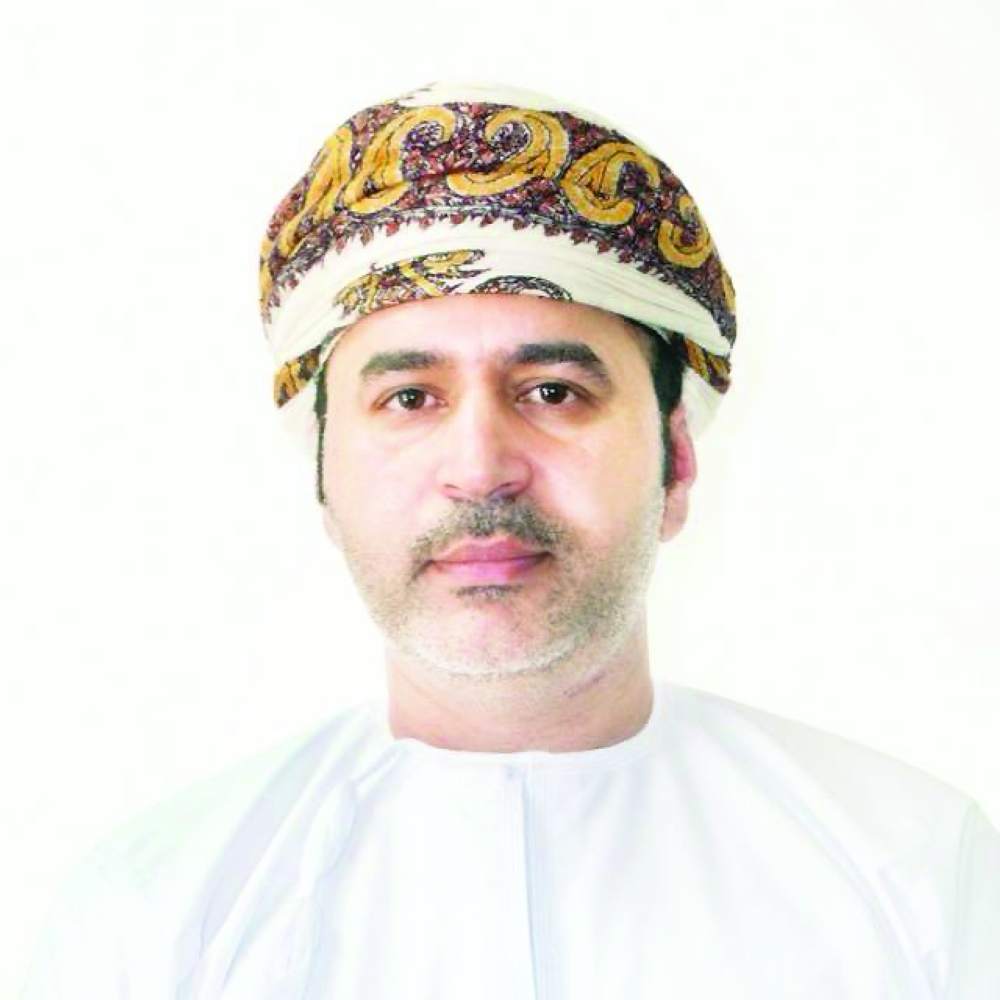
Oman’s natural resources, such as oil, gas, and minerals, have been pivotal to the sector’s growth. To maximize their potential, Al Alawi underscored the need to embrace modern technology, enhance innovation, and integrate various industries to create a sustainable value chain.
Similarly, Azhar bin Hamoud al Hinai, Executive Director of United Plastics Manufacturing & Bin Ahmed enterprises, emphasized that Oman’s industry holds immense potential for transformation through innovation and sustainability. He pointed out that economic diversification has been central to the nation’s long-term development strategy, successfully reducing oil dependence through investments in aluminum, petrochemicals, mining, and manufacturing.
To attract more investments, Oman offers competitive tax and customs incentives, including tax exemptions of up to 10 years in industrial zones and reduced import duties on raw materials. Financial institutions have also supported industrial expansion by offering soft loans to encourage new projects.
Furthermore, industrial zones are equipped with advanced infrastructure, including well-connected utilities, making Oman an attractive hub for both local and international investors. With continued government support, increased technological adoption, and a focus on sustainable practices, Oman’s industrial sector is poised for further growth, reinforcing its role as a pillar of the national economy. — ONA
Oman Observer is now on the WhatsApp channel. Click here