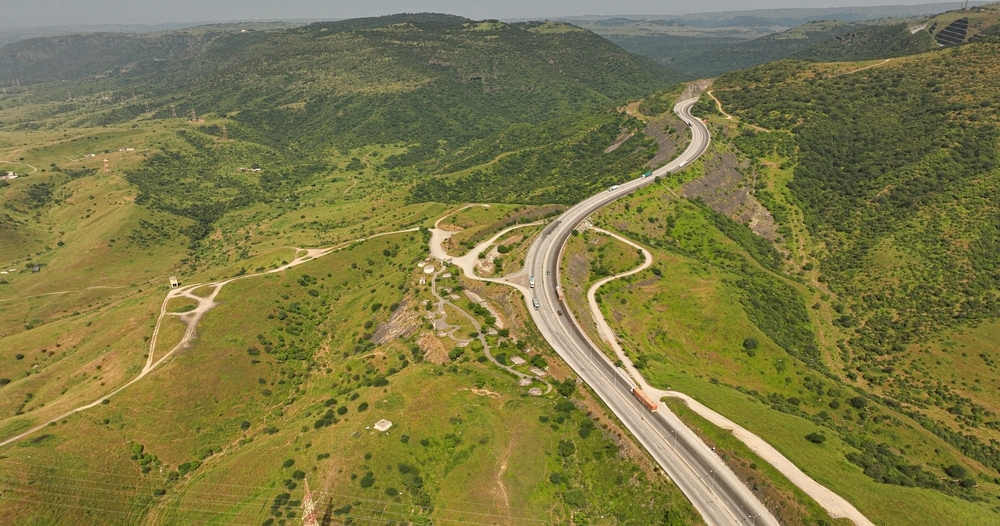





SALALAH: A surge in charter flights has brought a growing number of tourists to Oman’s southern Dhofar Governorate, filling hotel rooms and boosting seasonal visitor numbers. However, local businesses and the broader economy have yet to see substantial benefits, with weak regulation, hidden trade, and an unstructured tourism sector limiting the impact.
A series of field visits and close monitoring of the sector reveal significant gaps in how the economic potential of charter tourism is being harnessed. While the influx of tourists has strengthened the hospitality industry, other key areas—including local markets, tour guiding services, and tourism logistics—remain disorganized, preventing sustainable growth.
Despite the growing number of visitors, Dhofar’s local economy sees minimal direct benefits due to several factors. Foreign tour operators dominate the market with pre-packaged trips, restricting tourist spending beyond hotels and organized tours. Additionally, weak integration with local businesses results in limited spending at markets, restaurants, and small enterprises. Furthermore, an overreliance on hotels, with little effort to diversify tourism into cultural experiences, local attractions, or community-led initiatives, further reduces economic impact.
“The numbers are impressive, but without a structured approach to ensuring tourists engage with the local economy, much of the revenue is lost before it even reaches Omani businesses, ” said a local tourism consultant who declined to be named.
Hidden trade and unregulated market activity
Dhofar’s traditional markets should be a key attraction for visitors, yet field research indicates that a large portion of market activity is controlled by hidden trade—businesses operated by non-Omanis under local ownership names.
This practice has undermined local entrepreneurship, reduced tax revenue, and led to lower-quality goods and services for tourists. While authorities have taken steps to curb commercial concealment, enforcement remains inconsistent.
“The tourist footfall in local markets is increasing, but the financial benefits are not flowing to local traders as they should, ” said an industry expert.
Tour guiding deficiencies
Another major challenge is the lack of professional Omani tour guides. Most licensed guides are not full-time professionals but are used for regulatory compliance only, while unlicensed foreign guides dominate the field.
Field research highlights several key concerns: Inaccurate information being given to tourists by untrained foreign guides; Weak regulatory oversight, allowing non-qualified individuals to operate; and Lack of incentives for Omani guides, limiting their engagement in the sector.
Without clear regulation and enforcement, the authenticity of Dhofar’s tourism experience is at risk, as visitors receive incomplete or misleading information about Oman’s history and culture.
Tourism logistics: Unstructured and unregulated
Tourism logistics, including transport services, is another sector suffering from a lack of regulation and professional standards. Many operators function under informal arrangements, lacking proper offices, structured teams, or licensed vehicles. Instead, individuals with private cars often serve as unofficial transport providers, which raises safety concerns and contributes to an inconsistent visitor experience.
Unregulated private vehicles operate without meeting tourism safety standards. Besides, there is an absence of structured investment, leading to an unsustainable tourism transport market. This can result in potential reputational risks, as tourists face unreliable and unprofessional services.
“There is an urgent need for a regulated system that ensures quality standards in transportation services, ” said a Dhofar-based tourism operator.
Policy gaps and Proposed Reforms
To maximize the benefits of charter flights, industry experts and local stakeholders point to several policy interventions that could improve regulation and economic returns:
1. Strengthening local business involvement: To enhance local business involvement in tourism, foreign tour operators arranging charter trips should be required to form at least 50% partnerships with local enterprises. Additionally, a digital platform can be developed to directly connect tourists with local service providers, ensuring broader economic benefits. Promoting community-based tourism by encouraging visits to local markets, heritage sites, and cultural events will further strengthen the integration of tourism with Dhofar’s local economy.
2. Combatting hidden trade
To prevent market manipulation, stricter commercial ownership laws should be enforced to eliminate hidden foreign control over local businesses. Additionally, financial support programmes can be introduced to empower young Omanis in establishing tourism-related enterprises, ensuring greater local participation and economic benefits.
3. Professionalizing tour guiding:
To enhance the professionalism of tour guiding, all guides should be required to obtain mandatory licensing and training. Strict penalties must be enforced against unlicensed guides, especially foreign operators working without permits. Additionally, financial incentives can encourage Omanis to pursue full-time careers in tour guiding, ensuring higher standards and greater local involvement in the industry.
4. Regulating tourism transport services
To regulate tourism transport services, licensing standards should be strictly enforced to ensure transport companies have proper offices and adequate staffing. Investment in well-structured tourism transport businesses should be encouraged, with incentives provided to support local operators. Additionally, a centralized booking platform can be introduced to give tourists reliable access to professional and regulated transport services.
Dhofar’s increasing prominence as a charter flight destination presents a major opportunity for Omani tourism. However, as extensive field visits confirm, poor regulation and weak local engagement are preventing the sector from reaching its full potential.
If structural challenges remain unaddressed, Oman risks seeing high tourist numbers but minimal economic returns. The solution lies in ensuring every link in the tourism value chain is designed to benefit the local economy, strengthening Dhofar’s position as a sustainable and well-managed tourism hub.
Oman Observer is now on the WhatsApp channel. Click here