




BUSINESS REPORTER
MUSCAT, JAN 25
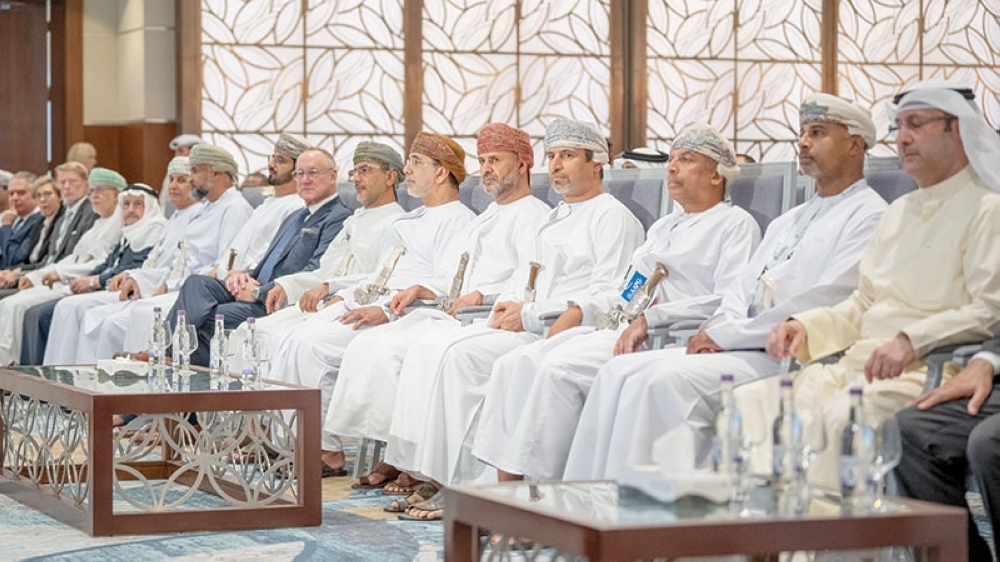
Oman’s Ministry of Energy and Minerals has unveiled a new policy framework aimed at fostering the adoption of renewable energy and liberalizing the electricity market. The “Renewable Energy Policy for Self-Generation and Direct Sale” seeks to promote sustainable development, encourage investments in clean energy, and regulate electricity self-generation and direct sales, aligning with the Sultanate’s vision for a greener future.
The policy marks a significant milestone in Oman’s energy transition, as the Gulf nation targets generating 90% to 100% of its electricity from renewable sources by 2050, supporting its broader net-zero carbon emissions ambitions.
Speaking on the policy, Mohsen bin Hamad al Hadhrami, Under-Secretary of the Ministry of Energy and Minerals, described it as a “transformative step” in Oman’s energy sector. “This policy provides a comprehensive regulatory framework that supports the implementation of self-generation and direct sale projects, enhancing energy infrastructure while balancing economic and environmental interests,” Al Hadhrami said.
He added that the initiative adopts a collaborative approach, engaging the government, private sector, and citizens in energy production. This participatory model aims to foster a shared understanding of the sector’s importance and ensure its long-term sustainability.
The policy is expected to improve energy efficiency, diversify energy sources, and reduce carbon emissions, underscoring Oman’s commitment to achieving net-zero carbon emissions by 2050.

SELF-GENERATION POLICY
The self-generation policy regulates the production of electricity from renewable sources by individual consumers and businesses. Projects under a specified capacity threshold are exempt from direct coordination with the Ministry, facilitating small-scale initiatives. However, larger projects must obtain licenses from the Authority for Public Services Regulation (APSR).
To ensure a balanced energy supply, the policy sets an annual ceiling for electricity generated through self-generation, determined in coordination with APSR. Additionally, self-generators can install and operate energy storage systems if deemed economically viable, allowing for more flexible energy consumption.
Consumers transitioning to self-generation are required to submit timelines to relevant authorities to align their plans with national energy goals.
DIRECT SALE POLICY
Under the direct sale policy, qualified renewable energy producers can sell electricity directly to eligible consumers, bypassing the Nama Power and Water Procurement Company. The transactions are subject to APSR regulations, with an annual production ceiling set to manage the market effectively.
Eligible consumers must pay a special tariff for using the national grid infrastructure for electricity transmission. This measure ensures the stability of the grid while preventing additional costs for other subscribers not participating in self-generation or direct sales.
ELECTRICITY TRANSMISSION POLICY
The electricity transmission policy permits the use of the national grid to transmit electricity produced for direct sales. Licensed transmission and distribution companies will oversee this process, which is subject to APSR regulations.
Producers must comply with annual production limits established in coordination with stakeholders to expand renewable energy use efficiently. Eligible consumers must cover transmission costs and pay tariffs determined by APSR, ensuring the grid remains operationally stable and efficient.
These policies collectively represent a pivotal move toward bolstering renewable energy use in Oman, aligning with its sustainable development goals and energy transition strategy. The framework aims to attract private investment, balance consumer and investor interests, and enhance the reliability of Oman’s electricity network.
As Oman accelerates its shift to renewable energy, these policies are expected to play a critical role in achieving the country’s energy sustainability and net-zero objectives by mid-century.
Oman Observer is now on the WhatsApp channel. Click here