The economies of Oman and the Gulf Cooperation Council (GCC) are undergoing profound transformations as they contend with fluctuating oil revenues, climate change, and shifting global economic dynamics, according to a new report by the World Bank on the theme, ‘Global Economic Prospects’.
These nations are working to diversify their economies, reduce dependence on hydrocarbons, and address structural challenges. A closer examination of the report reveals critical insights into the economic outlook, reforms, and risks for Oman and the GCC in 2025.
Oman’s Economic Landscape
Oman’s growth trajectory reflects a gradual recovery, with GDP growth expected to reach 2.4 per cent in 2025. This improvement follows several years of subdued growth due to reduced oil sector activity, which has historically been a cornerstone of the country’s economy. Recognizing the inherent risks of heavy reliance on hydrocarbons, Oman has prioritized economic diversification. The government is focusing on expanding sectors such as renewable energy, tourism, and logistics to create a more sustainable economic foundation.
To support these efforts, Oman has implemented significant fiscal reforms aimed at reducing public deficits and managing debt. Privatization initiatives and public investment programmes are designed to attract foreign direct investment and stimulate growth in non-oil industries. However, challenges remain. Global inflationary pressures and the impacts of climate change pose risks to the country’s economic stability. To address these vulnerabilities, Oman must maintain fiscal discipline and accelerate adaptation measures to climate-related risks, the report warns.
GCC: Economic Transition and Diversification
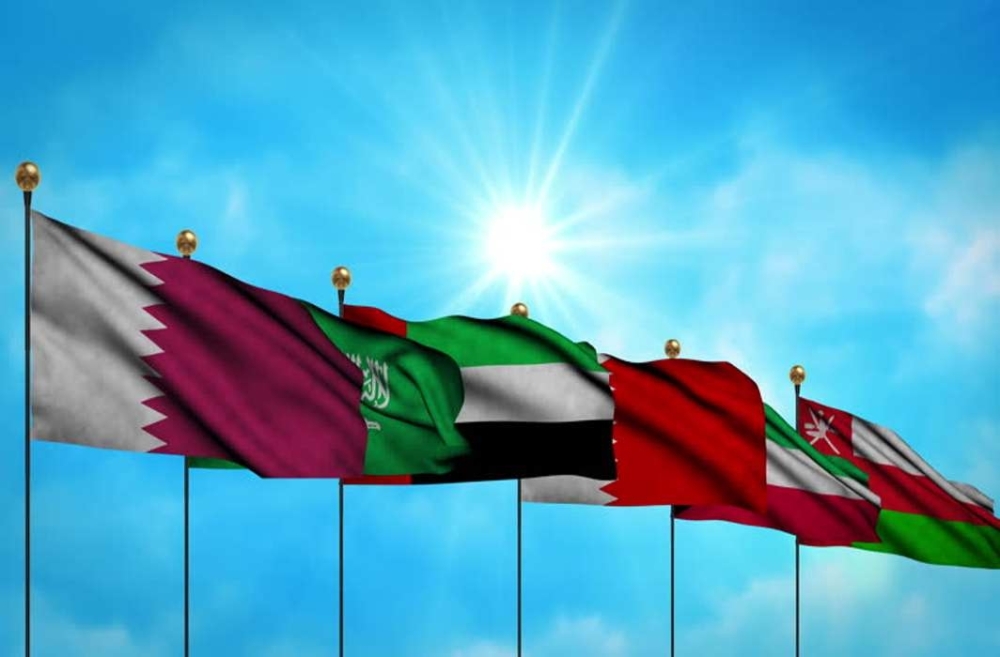
The GCC countries—Bahrain, Kuwait, Oman, Qatar, Saudi Arabia, and the UAE—are navigating a complex economic landscape as they transition from oil-based economies to more diversified models. Economic growth in the region is forecast to rise to 3.3 per cent in 2025 and further to 4.6 per cent in 2026, supported by the recovery in oil production and robust performance in non-oil sectors such as services and tourism.
Diversification is a cornerstone of GCC economic policy. Programmes like Saudi Arabia’s Vision 2030 and similar initiatives in the UAE and Qatar focus on developing sectors such as technology, infrastructure, and renewable energy. These nations are heavily investing in green energy projects to align with global efforts to transition to sustainable energy sources. By reducing dependence on hydrocarbons, GCC countries aim to enhance economic resilience and mitigate long-term climate risks.
Oil Production and OPEC+ Strategy
Oil production remains critical for the region’s economies, albeit with a decreasing emphasis on its role. Production adjustments by OPEC+ have influenced short-term economic growth, but these measures are expected to stabilize global oil markets. A gradual recovery in oil output is projected to contribute positively to medium-term growth while supporting the transition to diversified economic models.
Fiscal policies in GCC countries reflect a delicate balance between supporting growth and maintaining fiscal sustainability. Although fiscal surpluses are expected to decline due to lower oil revenues, GCC governments are implementing measures to stimulate economic activity and encourage private sector participation. Simultaneously, central banks are likely to continue monetary easing in line with trends in the US, which is expected to promote investment and ensure financial stability.
Challenges and Risks
Despite progress, Oman and the GCC face significant challenges. Geopolitical tensions and global inflation create an uncertain environment for sustained growth. Climate change represents a particularly pressing issue, with rising temperatures and sea levels threatening critical infrastructure and long-term economic stability. While GCC nations have invested in renewable energy and climate adaptation, additional measures are needed to address these challenges effectively.
Economic diversification, while essential, presents its own set of hurdles. Transitioning from oil-dominated economies requires substantial investments, policy reforms, and workforce development. Competition among GCC countries for foreign investment further complicates this transition, as nations vie to attract global capital to their emerging industries.
Conclusion
Oman and the GCC are at a critical juncture in their economic development. By implementing robust fiscal reforms, prioritizing diversification, and investing in renewable energy, these nations are working to reduce their dependence on oil and build sustainable futures. However, addressing challenges such as geopolitical risks, climate change, and economic competition will require coordinated efforts and continued policy innovation. The Global Economic Prospects, January 2025 report underscores that while progress has been made, sustained commitment to reforms and regional cooperation will be key to achieving long-term resilience and prosperity in the evolving global economy.
Oman Observer is now on the WhatsApp channel. Click here