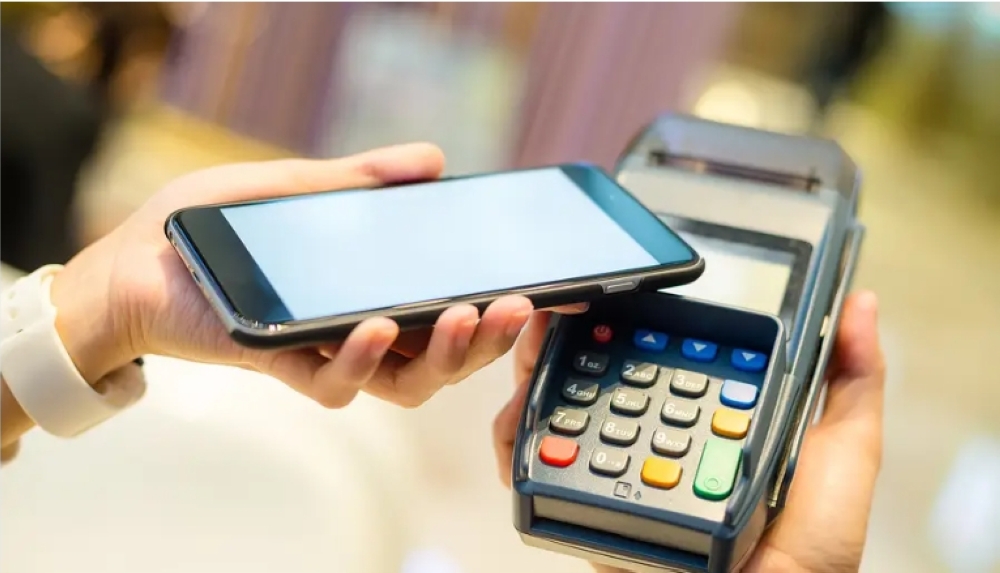





Muscat: ATM transactions in the Sultanate are witnessing a decline with more users shifting to mobile-based payments and money transfers in recent times.
According to the Central Bank of Oman (CBO)'s National Payment Systems Annual Report, ATM transactions witnessed a decrease from 15 percent in 2022 to 11 percent in 2023, indicating a shift towards other digital payment channels.
Muscat governorate has the most ATM installations (565) followed by North al Batinah North (173) as the total number of ATMs has increased by around 40 in 2023 from the previous year.
This slight increase may be attributed to the growing availability and adoption of alternative banking channels, such as online and mobile banking, which offer convenience and flexibility to users.
"As consumers increasingly embrace electronic banking, their reliance on traditional ATMs may decrease. Despite the slight increase in ATM numbers, these machines continue to play a crucial role in facilitating 24/7 banking services, particularly in regions with high economic activity. They enable the seamless movement of goods and services by providing access to cash and banking services anytime, anywhere. It will be essential for CBO and financial institutions to adapt to evolving consumer preferences and technological advancements to ensure the continued relevance and effectiveness of banking infrastructure in meeting the needs of the population. Additionally, promoting the benefits of electronic banking can further accelerate the transition towards digital banking solutions while ensuring financial inclusion for all segments of society," the report said.
Apple and Samsung Pay: The services launched in 2024 offer online and offline payments via mobile devices. It also helps users make payments without the need to present their debit or credit cards at payment counters in retail outlets or even while traveling abroad.
Mohammed bin Saif al Manji of TechOneFive, an initiative group promoting awareness of new technologies, recently said, "Digital payments in Oman have been growing, with the Central Bank of Oman (CBO) promoting cashless transactions through initiatives like mobile wallets and QR code payments. Apple Pay's launch in Oman will enhance this trend, alongside Samsung Pay, offering users a secure and seamless way to make contactless payments via their iPhones and Apple Watches. Many banks have integrated Apple Pay, allowing customers to link their bank cards for effortless digital transactions. This aligns with Oman Vision 2040, supporting the country's transition towards a cashless society."
After natural reluctance to accept card-based payments, small retailers have been more open to mobile transfers. "We encourage our users to make mobile-based transfers instead of using their debit or credit cards and they are equally beneficial to both sides in terms of efficiency and reliability. Importantly, money comes to our account in real time," one of them said.
POS transactions experienced an increase from 68 percent in 2022 to 74 percent in 2023, reflecting an expanding acceptance and utilization, possibly bolstered by the introduction of software point-of-sale devices.
A POS or 'Point of Sale' transaction is a purchase made with a debit card and are required to enter your PIN on a keypad.
E-commerce transactions witnessed a slight decrease in its share of OmanNet from 17 percent in 2022 to 15 percent in 2023, suggesting potential shifts in consumer preferences towards alternative payment channels.
These variations underscore dynamic shifts in Oman's electronic payment landscape, reflective of evolving consumer behaviors and technological advancements within the industry.
The Mobile Payment Clearing and Switching System (MPCSS) transactions increased from 4.9 million at the end of 2022 to an impressive 40 million by the end of 2023. Concurrently, the value of funds transferred through this system witnessed a remarkable increase of RO1.44 billion over the two years.
This increase can be attributed to the growing trend of utilizing mobile payment services, which offer three payment options which are Phone Numbers, Alias Names, and QR codes, for different payment purposes.
Muscat as the primary economic hub, stands out with 48,826 physical and Soft POS installations. reflcing the capital's critical role in commercial activities and the growing adoption of payment terminals in the region.
The usage of issued cards and e-wallets varied in numbers throughout the year 2023, influenced by their demand and purposes for individuals and institutions, determining the prevailing trend.
This is coupled with the features introduced by banks/PSPs for each type and the convenience available to customers.
The result highlights that 1.2 million new debit cards were issued, making them undoubtedly the most prominent card type in 2023, given their versatility and widespread uses. This formed 93 percent of the number of all types of cards issued. Around 59 thousand credit cards were issued during the same year due to the demand for their unique features and
the benefits provided by banks in exchange for their use, coupled with continuous promotional efforts. Credit cards constitute four percent of all types of newly issued cards.
Oman Observer is now on the WhatsApp channel. Click here